
Hysterium angustatum
Hysterium angustatum
Description
Symptoms
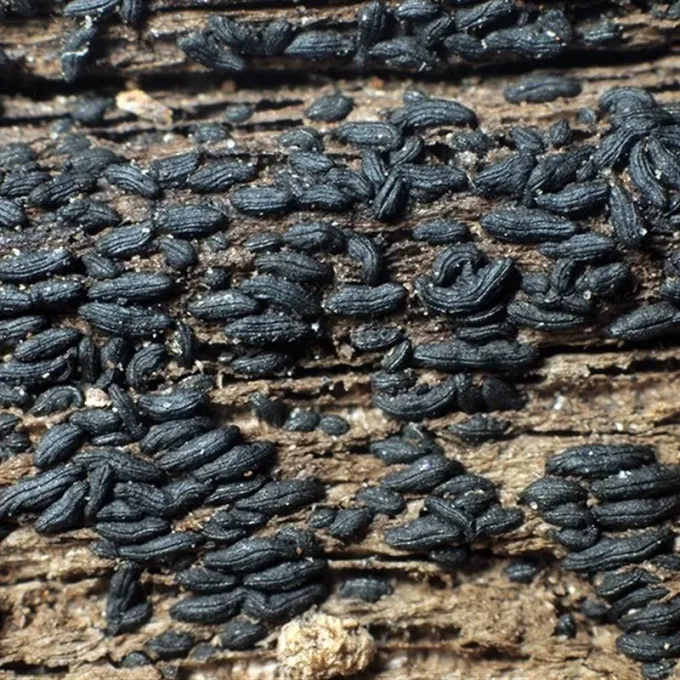
The primary symptom is the appearance of thin, black, linear fruiting bodies on the bark of branches and stems, which may resemble small cracks or scars.
As the infection progresses, the affected bark may show signs of discoloration, becoming brittle or loose, and eventually detaching from the underlying cambium.
The infected surface often appears rough and deformed. These areas serve as visible indicators of the colonization by the fungal mycelium.
During wet weather, the fruiting bodies may swell and become more prominent, making the infection easier to detect during field surveys or garden inspections.
The host plant often shows signs of crown thinning and premature dieback of specific branches that have been heavily colonized by the fungus.
Pathogen
The disease is caused by the fungus Hysterium angustatum, which belongs to the Dothideomycetes class. This organism primarily functions as a saprotroph, colonizing dead or dying wood tissue.
The fungus produces distinct black fruiting bodies known as hysterothecia. These structures are elongated, narrow, and often emerge in clusters through the surface of the bark.
Reproduction is carried out through the release of ascospores, which are easily dispersed by wind and splashing rainwater, facilitating the spread of the fungus throughout the forest or garden.
While often saprotrophic, the fungus can behave as an opportunistic pathogen when the host plant is stressed, injured, or weakened by environmental factors.
The mycelium grows within the bark layers and outer xylem, eventually breaking down the structural components of the tree's tissue over time.
Conditions for development
High humidity and prolonged periods of wet weather are the most critical factors for the successful colonization and development of Hysterium angustatum.
Trees growing in poorly ventilated areas or dense stands where moisture remains on the bark for extended periods are at significantly higher risk of infection.
Physical injuries caused by storm damage, frost, or insect activity provide entry points for spores, making healthy trees vulnerable to colonization.
Environmental stress, including drought or nutrient deficiency, weakens the tree's natural defense systems, allowing the fungus to transition from saprotrophic to pathogenic feeding.
The accumulation of woody debris and dead branches around the base of trees creates a stable reservoir for the pathogen, increasing the local infection pressure.
Why it matters
The fungus causes the degradation of woody tissue, which leads to the loss of mechanical strength and impairs the tree's ability to transport water and nutrients efficiently.
In forestry, this infection decreases the commercial quality of timber, making it unsuitable for construction or high-quality wood product manufacturing.
In ornamental landscaping, the disease significantly reduces the aesthetic value of trees by causing branch dieback, crown thinning, and bark damage.
Infected trees often become hubs for secondary pests, such as wood-boring insects, which accelerate the total decline and death of the host tree.
The presence of the fungus increases the risk of limb failure, posing a potential hazard in areas with high pedestrian traffic or near buildings.
Protection
The most effective strategy is to implement regular sanitary pruning, where infected or dead branches are promptly removed and destroyed to reduce the spore load.
Maintaining the overall health of the tree through proper irrigation, fertilization, and site management is essential to bolster its natural resistance against fungal infections.
Fungicidal treatments applied early in the growing season can help protect wounded areas and prevent the germination of spores on vulnerable bark surfaces.
Applying protective sealants to pruning wounds helps prevent pathogens from colonizing exposed tissues until the tree's natural healing process occurs.
- Sanitizing pruning tools with alcohol between uses.
- Thinning out dense tree canopies to improve airflow.
- Monitoring trees for bark irregularities and discoloration.
- Removing wood debris from the vicinity of tree trunks.
Discussion
No discussions yet — be the first.