
Hysterium
Hysterium
Description
Symptoms
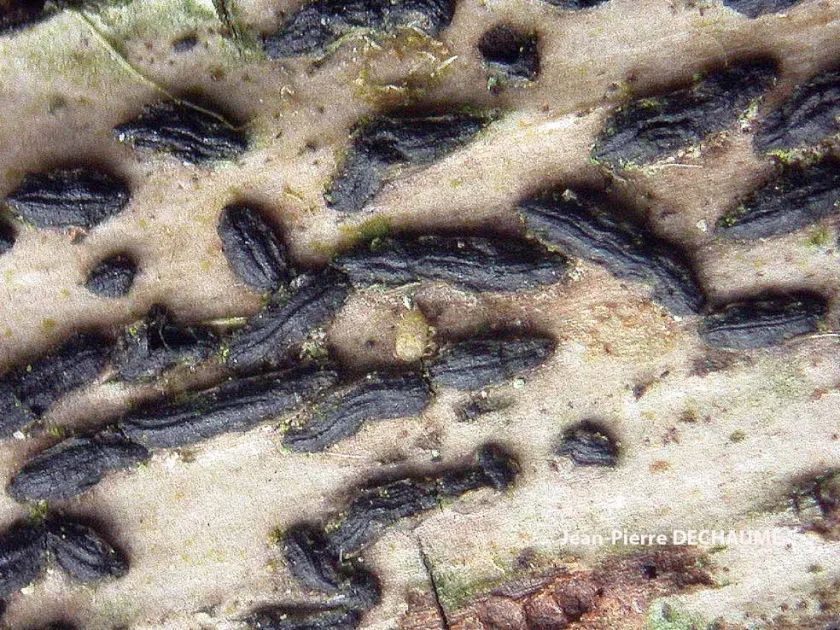
The primary symptom of Hysterium infection is the emergence of small, narrow, black linear streaks on the surface of the plant's woody parts, which are the mature fungal fruiting bodies.
The surrounding tissue often loses its healthy color, becoming grey or brownish as the fungus extracts nutrients and moisture from the plant, leading to visible drying and cracking of the bark.
In advanced cases, the infected branches begin to wither and die back, as the structural integrity of the plant is compromised and the vascular system is interrupted by the localized necrotic lesions.
If the infection occurs on leaves or petioles, it presents as irregular black spots that can lead to premature leaf drop, reducing the overall photosynthetic capacity of the plant.
Close inspection reveals these black, ridge-like structures that are firmly embedded in the tissue but can be scraped off, leaving behind a characteristic indentation or scar on the plant surface.
Pathogen
The causative agent of this disease is the fungus of the genus Hysterium, which belongs to the class Dothideomycetes. These fungi typically function as saprotrophs, decomposing dead plant material, but can act as opportunistic pathogens under certain conditions.
The fungus produces distinct reproductive structures called hysterothecia. These appear as elongated, black, slit-like structures on the surface of bark, stems, or leaves, which are the hallmark of this fungal genus.
The pathogenesis involves the secretion of specific enzymes that degrade complex plant polymers like lignin and cellulose, leading to the gradual necrosis of the infected host tissues.
The lifecycle is highly dependent on humidity levels. Ascospores are released into the air during periods of high moisture and are dispersed by wind currents, enabling the spread of the pathogen across the site.
These fungi are particularly persistent, often surviving within dormant plant tissue or woody debris during adverse weather conditions until the environment becomes suitable for reproduction again.
Conditions for development
The development of Hysterium is heavily favored by prolonged periods of high humidity, frequent rainfall, or heavy dew, which are essential for the germination of spores and the development of the fungus.
Moderate temperatures combined with poor air circulation within the plant canopy create a microclimate that allows the pathogen to thrive and spread rapidly between closely spaced plants.
Neglected gardens with significant amounts of woody debris, old mulch, and unpruned branches provide an ideal environment for the pathogen to establish a long-term reservoir of infection.
Plants that are already stressed due to frost damage, pest attacks, or nutrient deficiencies are significantly more susceptible to successful colonization by Hysterium species.
Lack of sunlight penetration, caused by overcrowding or improper training of woody plants, maintains a damp environment that is conducive to the growth and persistence of the disease.
Why it matters
The main harm caused by Hysterium is the weakening of the host plant, which results in stunted growth and the dieback of branches, ultimately shortening the plant's lifespan.
In ornamental landscaping, the presence of these fungal structures severely impacts the aesthetic value of the plants, often requiring the removal of infected shrubs or trees.
The disease facilitates the entry of other, more aggressive pathogens into the plant's internal tissues, leading to complex infections such as secondary wood rots or bacterial cankers.
Reduced vigor and chronic stress make the plant less productive, which is a major issue for fruit-bearing trees where the impact on yield and quality can be substantial over several years.
Total loss of plant vitality can occur if the infection is ignored, leading to economic losses and the necessity for costly remediation or replacement of the affected vegetation.
Protection
The cornerstone of control is diligent garden sanitation, which includes the prompt pruning and disposal of all infected branches to reduce the overall fungal inoculum.
Maintaining optimal plant health through balanced fertilization and appropriate irrigation practices significantly bolsters the plant's natural resistance to fungal infections.
Preventive applications of copper-based fungicides in the early spring can effectively inhibit the germination of spores and protect the vulnerable bark from initial infection.
- Sanitary pruning of dead or diseased wood.
- Proper disposal of all pruned material by burning or removal.
- Ensuring good ventilation through strategic pruning.
- Use of protective fungicide sprays if necessary.
When chemical interventions are required, systemic fungicides with broad-spectrum activity against Dothideomycetes are recommended, ensuring application is timed correctly according to the growth stage.
Discussion
No discussions yet — be the first.