
Hysteriales
Hysteriales
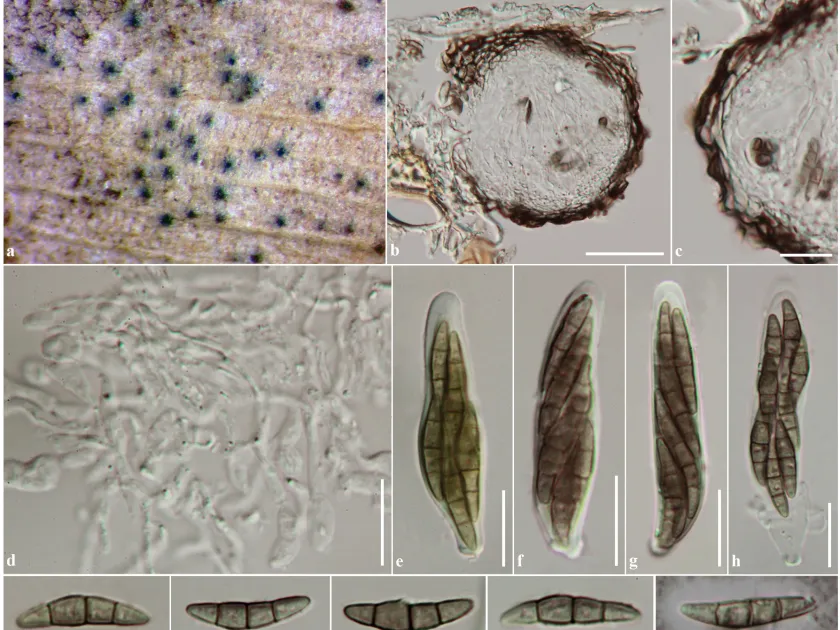
Description
Symptoms
Infection typically manifests as the appearance of dark, linear, or fissure-like black structures scattered across the bark or stems.
These signs often resemble small cracks in the epidermis of the plant, which are actually the mature fruiting bodies of the fungi.
In advanced cases, the bark or epidermis may show signs of superficial decay, thinning, or abnormal coloration around the site of the fungal growth.
Stems or branches heavily colonized by these fungi often appear brittle, and the vascular system may be compromised, leading to partial wilting.
Unlike leaf-spotting diseases, Hysteriales are mostly confined to the lignified or woody parts of the plants rather than the foliage.
Pathogen
The order Hysteriales comprises a group of ascomycetous fungi recognized by their distinctive, elongated, black fruiting bodies called hysterothecia.
These fungi are primarily known for their ability to colonize decaying plant material, including woody substrates and hardened plant stalks.
While most species function as saprotrophs in nature, contributing to the decomposition process, some can act as pathogens or opportunists on weakened hosts.
The morphology of Hysteriales is specifically adapted to environments where they can exploit the cellulose and lignin found in dead or dying plant tissues.
Their reproductive cycle is characterized by the release of spores from the slit-like openings in the hysterothecia, which is triggered by moisture levels.
Conditions for development
Optimal development for Hysteriales occurs in high-humidity environments, especially where there is stagnant air and lack of sunlight.
Prolonged rainfall or persistent morning dew provides the necessary moisture for the activation of fungal spores and their subsequent germination.
Plants that are already stressed due to drought, frost, or insect damage are significantly more vulnerable to colonization by these organisms.
Poor orchard or garden hygiene, characterized by unremoved dead wood or branches, creates a permanent reservoir for fungal spores.
A stable temperate climate with fluctuating moisture levels often promotes the most rapid colonization of susceptible plant parts.
Why it matters
The primary harm caused by Hysteriales involves the degradation of structural plant tissues, which reduces the plant's overall vigor.
By attacking the bark and cortex, these fungi can interfere with nutrient translocation, eventually causing the death of individual branches.
In nursery production, the presence of Hysteriales can downgrade the quality of planting material and prevent commercial distribution.
They also serve as entry points for secondary pathogens, such as wood-decay bacteria, which further weaken the plant's structural integrity.
If left unmanaged, the cumulative damage can lead to the gradual decline of the plant, making it unsightly and ultimately non-productive.
Protection
Sanitation is the most critical control measure, involving the removal and destruction of all wood showing signs of fungal colonization.
Pruning to increase airflow and sunlight penetration into the canopy helps create an environment that is hostile to fungal spore germination.
Application of broad-spectrum or copper-based fungicides during the dormant season can serve as a prophylactic measure against spore buildup.
Maintaining high standards of plant health through proper fertilization and irrigation reduces the risk of opportunistic fungal infections.
Protecting plants from physical trauma or wounds is essential, as these serve as the primary ports of entry for many fungi, including Hysteriales.
Discussion
No discussions yet — be the first.