
Hysteriaceae
Hysteriaceae
Description
Symptoms
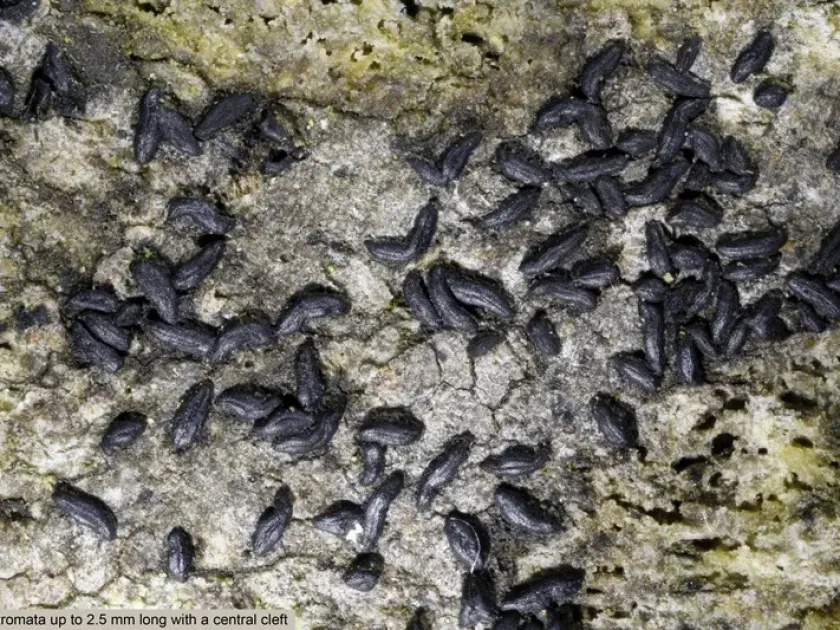
The characteristic sign of infection is the appearance of small, black, linear, or fissure-like fruiting bodies on the bark of branches and twigs.
Infected bark typically exhibits signs of discoloration and may eventually crack, peel, or separate from the underlying woody tissue.
The affected branches often show signs of wilting, premature leaf drop, and a general lack of vigor compared to healthy limbs.
Over time, the affected area may form a necrosis that spreads along the branch, leading to the eventual dieback of that specific section.
Gardeners may notice an accumulation of these dark markings in clusters, especially on the underside of branches where moisture tends to linger.
Pathogen
The Hysteriaceae family consists of ascomycetous fungi that predominantly occupy dead or decaying woody tissues, acting as saprotrophs.
The most distinctive feature of these fungi is their reproductive structure, known as a hysterothecium, which manifests as a dark, elongated slit on the bark surface.
Spores produced by these fungi are dispersed mainly by wind and rain, allowing the infection to spread rapidly across orchards and forest stands.
These fungi possess enzymatic capabilities to degrade lignin, allowing them to penetrate and eventually weaken the structure of the host plant's wood.
While often categorized as secondary pathogens, they thrive on plants already weakened by environmental stress or previous infections.
Conditions for development
High humidity and prolonged periods of rainfall create the ideal environment for the activation of fungal spores and their subsequent germination.
Overcrowded plantations or dense tree canopies reduce air circulation, maintaining a microclimate that supports the development of the fungus.
Plants suffering from drought, frost injuries, or nutritional deficiencies are significantly more susceptible to colonization by these pathogens.
Poor sanitation, specifically the presence of fallen wood, dead twigs, and debris on the ground, serves as a primary reservoir for the fungus.
The pathogen is most active during moist, temperate periods, which are common in many regions during spring and late autumn.
Why it matters
The primary damage caused by Hysteriaceae is the disruption of the tree's vascular system, which interferes with the transport of water and nutrients.
The structural integrity of branches is compromised, making them prone to breakage during storms, heavy winds, or snow accumulation.
Infection significantly reduces the aesthetic and commercial value of plants, which is a major concern for nurseries and landscape businesses.
Chronic infection weakens the tree's immune system, making it an easy target for other primary pests, such as wood-boring insects.
If left unmanaged, the cumulative damage can lead to the death of major scaffolds or the total loss of the tree over several seasons.
Protection
Rigorous sanitation practices, including the removal and disposal of all infected wood, are the most effective ways to manage the disease.
Improving the health of the host plant through proper fertilization and irrigation helps it build natural defenses against fungal infections.
Pruning should be performed with sterilized tools to prevent the accidental transfer of spores from infected trees to healthy ones.
Applying copper-based fungicides during the dormant period can significantly reduce the pressure of infection on the bark surface.
- Regular sanitation pruning of dead wood.
- Sterilizing all gardening tools after use.
- Ensuring proper spacing and canopy aeration.
- Applying protective wound dressings to cuts.
Discussion
No discussions yet — be the first.