
Hypoxylon
Hypoxylon
Description
Symptoms
Early symptoms include the dieback of branches and crown thinning. As the fungus progresses, the bark of the affected area begins to crack, peel, or fall off prematurely.
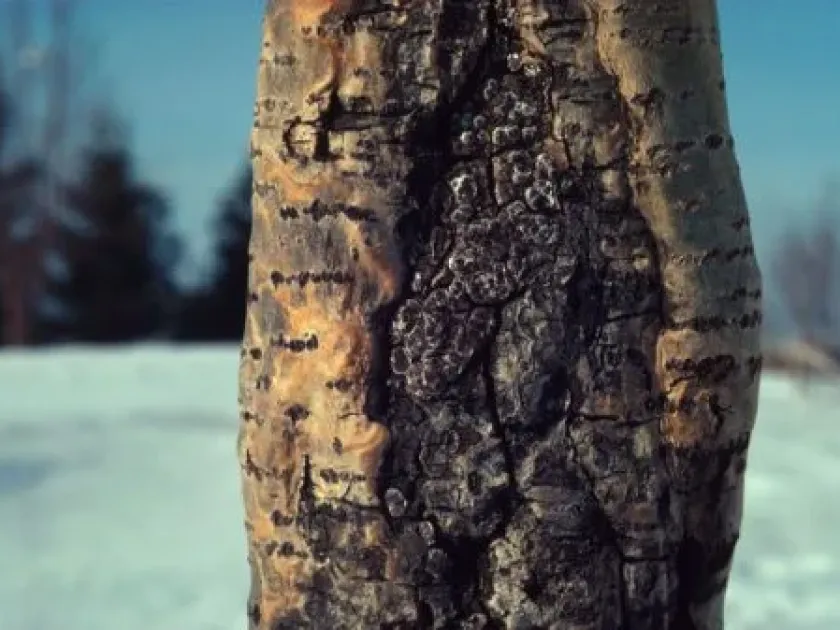
The most distinctive feature is the presence of fungal stromata on the surface of the trunk or branches. These appear as flattened, cushion-like, or crust-like structures, often black, gray, or silvery in color.
Beneath the bark, the wood often displays significant decay, showing signs of white or brown rot. The affected wood loses its structural integrity, becoming soft and brittle over time.
Leaves on infected limbs may show signs of chlorosis or wilting before eventually dropping off, as the fungal growth interferes with the water and nutrient transport in the tree.
In advanced cases, the bark sloughs off entirely, revealing the charred-looking wood beneath, which is a hallmark of the advanced stage of this infection.
Pathogen
The disease is caused by fungi of the genus Hypoxylon, which are Ascomycetes. These fungi are primary wood decay agents, acting as facultative parasites or opportunistic pathogens that target stressed woody plants.
The fungus enters the host through wounds, pruning cuts, frost cracks, or sites damaged by insects. Once inside, the mycelium spreads through the xylem, causing structural decay of the wood fibers.
The life cycle involves the formation of a stroma, a dense fungal tissue that erupts through the bark of the host plant. This structure houses the perithecia where sexual spores are produced.
These spores are then dispersed by wind and rain, allowing the fungus to infect new, susceptible trees in the immediate vicinity or further away.
While many species are considered saprophytes, some exhibit high levels of pathogenicity, specifically attacking tree species that are already compromised by environmental stressors.
Conditions for development
Hypoxylon outbreaks are strongly correlated with plant stress. Factors such as prolonged drought, heatwaves, and soil compaction weaken the host's defenses against these fungi.
High humidity and moderate temperatures favor spore germination and colonization. Trees with wounds that remain exposed for extended periods are particularly vulnerable to successful infection.
Inadequate orchard or landscape management, such as the failure to remove deadwood, provides a continuous reservoir of spores, increasing the overall disease pressure in the area.
Insects that bore into tree trunks or feed on the bark provide excellent entry points for the pathogen, often acting as vectors or facilitators for the disease.
Poor site selection or overcrowding also contributes to the susceptibility of trees, as competition for light and water reduces the overall vigor of the individual plants.
Why it matters
The primary threat is structural failure. Since the fungus decays the heartwood of the tree, branches or the entire trunk can collapse without warning, creating significant safety hazards.
The disease is progressive and generally incurable once it reaches the inner wood. Infected trees rarely recover and usually experience a slow decline leading to eventual death.
Large-scale infections in forests or plantations can lead to significant ecological and economic losses, reducing timber quality and tree longevity.
The visual degradation of ornamental trees in parks or home gardens negatively impacts landscape value and aesthetic appeal.
Furthermore, the presence of the fungus in a garden acts as a constant source of inoculum, endangering other healthy trees in the vicinity.
Protection
Effective control relies primarily on prevention and the maintenance of tree vigor. Keeping trees healthy through proper watering and fertilization reduces the likelihood of infection.
All dead or dying wood should be removed promptly through sanitation pruning. This eliminates the habitat where the fungus reproduces and limits spore production.
When pruning, tools must be disinfected between trees to prevent the mechanical transmission of spores from infected to healthy plants.
Protecting trees from physical damage is crucial. Avoid mechanical injuries to trunks from lawnmowers or other heavy equipment, as these are common entry points.
In cases of severe infection, the removal and complete disposal (burning or deep burial) of the affected tree is necessary to stop the spread to neighboring specimens.
Discussion
No discussions yet — be the first.