
Hypoderma leaf spot of blackberry
Hypoderma rubi
Description
Symptoms
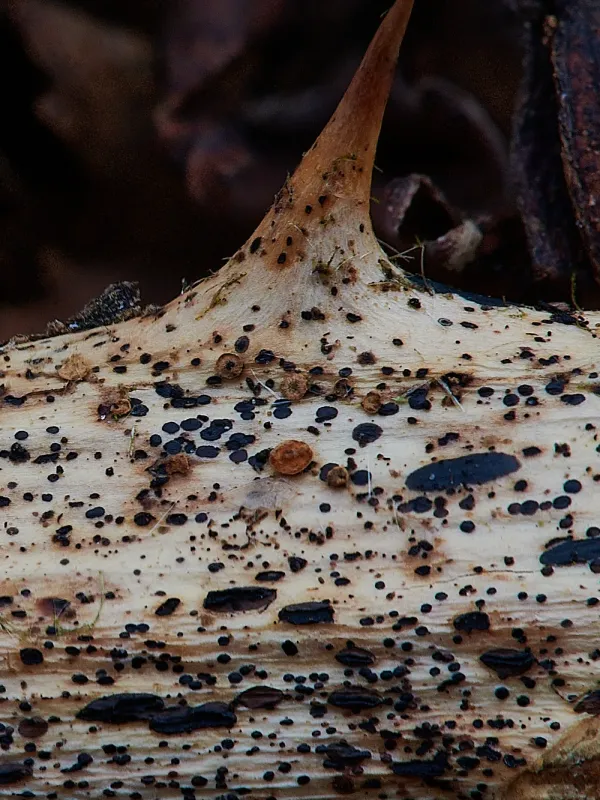
Initial symptoms of Hypoderma rubi appear on the canes as brown, water-soaked spots. Over time, these spots darken, often becoming deep brown or black as the fungal tissues develop.
The infected bark becomes brittle and frequently cracks, which can expose the inner pith of the blackberry cane. This physical damage weakens the structural integrity of the plant.
As the infection progresses, the foliage on affected canes may show yellowing or premature senescence. Eventually, the canes may wilt and die back from the tip downward due to vascular disruption.
The presence of numerous black, slightly raised spots (apothecia) on the surface of the canes is a definitive diagnostic feature that distinguishes this condition from other fungal spots.
Heavily infested plants often show stunted growth and a general lack of vigor, which becomes particularly noticeable during the peak harvest season.
Pathogen
The causative agent of this disease is the ascomycete fungus Hypoderma rubi (also known as Lophodermium rubi). It is a specialized pathogen affecting various Rubus species, primarily blackberry plants.
The fungus functions as a parasite, invading the host's stems and leaves. Within these tissues, it develops a mycelial network that systematically breaks down the plant structure to extract nutrients.
The life cycle involves the formation of fruiting bodies called apothecia. These are visible as small, black, elongated spots that erupt through the epidermis of the cane after the fungus has matured.
Spread is facilitated by spores that are released into the air and dispersed by wind or splashing rain. This ensures the pathogen can easily colonize adjacent healthy canes within a single growing season.
Overwintering occurs primarily as mycelium within infected stems and fallen debris, allowing the fungus to survive cold temperatures and re-emerge in the spring to start a new cycle.
Conditions for development
High humidity and moisture are critical for the development of Hypoderma leaf spot. Prolonged wet periods, such as heavy rain or frequent dew, provide the necessary water for spore germination.
Moderate temperatures ranging from 15°C to 25°C are optimal for the growth of the fungus. In such environments, the rate of infection can increase exponentially within the blackberry patch.
Poor ventilation within the canopy is a major contributing factor. Dense, unpruned hedges trap moisture and prevent the canes from drying out, creating a perfect incubation chamber for the pathogen.
Cultural practices such as excessive nitrogen fertilization lead to rapid, succulent growth that is physically easier for the fungus to penetrate, making such plants more susceptible to initial infection.
Mechanically injured canes, whether from pruning tools, insects, or environmental stress like hail, provide entry points for the fungal hyphae to colonize the host plant.
Why it matters
The primary harm caused by this disease is a significant reduction in fruit yield. By disrupting the transport of water and nutrients, the fungus limits the plant's ability to support development of berries.
Infected berries are typically smaller, lack sweetness, and exhibit poor shelf life. This makes them commercially unviable and reduces the overall profitability of the plantation.
Chronic infection leads to the systemic weakening of the blackberry plant. It becomes significantly more vulnerable to winter injury, often resulting in widespread cane dieback or total plant death.
The disease spreads rapidly across a patch if left unchecked. Once established, it can become a persistent problem that is difficult to eradicate without aggressive sanitation and control programs.
Farmers face increased operational costs due to the necessity of constant monitoring, fungicide application, and the intensive labor required for removing and disposing of infected canes.
Protection
Sanitation is the cornerstone of managing Hypoderma rubi. All infected canes and fallen leaf litter should be removed and destroyed by burning to break the pathogen's life cycle.
Proper pruning and training are essential. Ensuring adequate space between canes and rows allows for maximum airflow, which helps keep the foliage and stems dry and less hospitable to fungus.
Preventative fungicide sprays, particularly those targeting early spring growth and post-harvest periods, can effectively suppress spore germination and limit the spread of the infection.
Using certified, disease-free nursery stock is a crucial preventative step that prevents the introduction of Hypoderma rubi onto new sites or into healthy plantations.
- Improve drainage in the patch to reduce overall humidity levels.
- Apply balanced fertilizers to promote healthy, resilient cane growth.
- Regularly sanitize pruning tools between bushes to prevent cross-contamination.
Discussion
No discussions yet — be the first.