
Hygrophorus russula
Hygrophorus russula
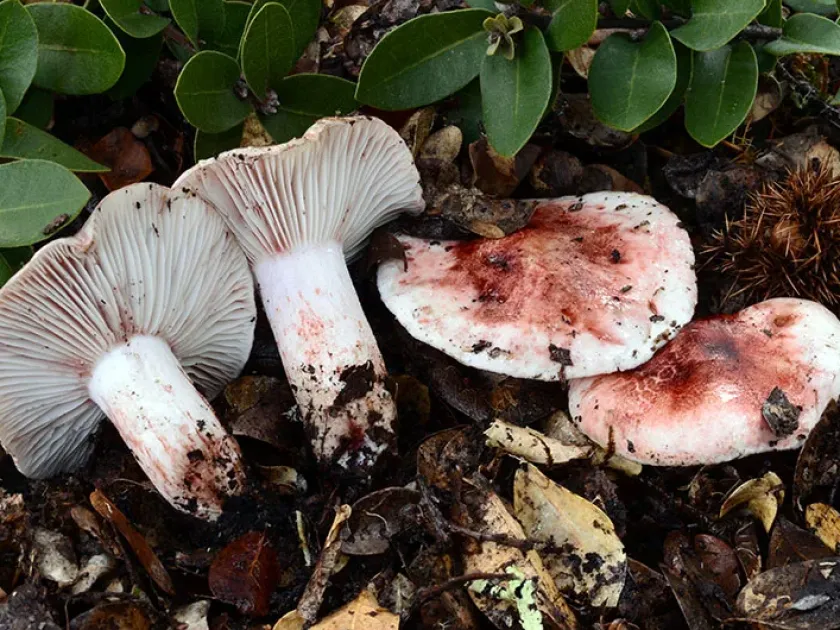
Description
Pathogen
Hygrophorus russula is a forest mushroom species commonly referred to as the Russula-like hygrophorus, which is classified as a beneficial mycorrhizal fungus.
It is crucial to note that this organism is not a plant pathogen and does not cause any form of botanical disease or agricultural infection.
The fungus develops symbiotic relationships with the roots of specific tree species, facilitating nutrient exchange and promoting healthy forest growth.
Its biological cycle is focused on the decomposition of leaf litter and the maintenance of soil structure rather than the degradation of living plant host tissues.
As a non-pathogenic species, it plays an important role in the biodiversity of the ecosystem, posing absolutely no threat to crops or garden plants.
Conditions for development
The development of Hygrophorus russula is strictly tied to the presence of hardwood forests, particularly those featuring oak and beech tree associations.
Favorable conditions for its growth include high soil moisture levels, adequate leaf litter cover, and moderate temperatures typical of autumn seasons.
The fungus thrives in undisturbed forest soils that are rich in organic matter and maintain a balanced pH level suitable for fungal mycelium expansion.
Environmental stability is essential for this species, as it is highly sensitive to soil compaction, tillage, and the application of agricultural fertilizers.
Once established, the mycelium network can persist for long periods as long as the surrounding forest environment remains preserved from human intervention.
Why it matters
There is no evidence of harm associated with this fungus; it is not a pest or a disease-causing agent for any known agricultural or industrial crop.
Because it operates through symbiotic mycorrhizal associations rather than parasitic ones, it contributes positively to the vitality of the ecosystem.
Agricultural monitoring programs do not include this species, as it does not pose a threat to plant health, yields, or crop quality.
It represents no economic risk to farmers or gardeners, and its presence in soil is generally considered a sign of a healthy, biodiverse environment.
Therefore, no protective measures or control strategies are required, as there is no damage to mitigate or prevent regarding this fungal species.
Discussion
No discussions yet — be the first.