
Hygrophorus
Hygrophorus
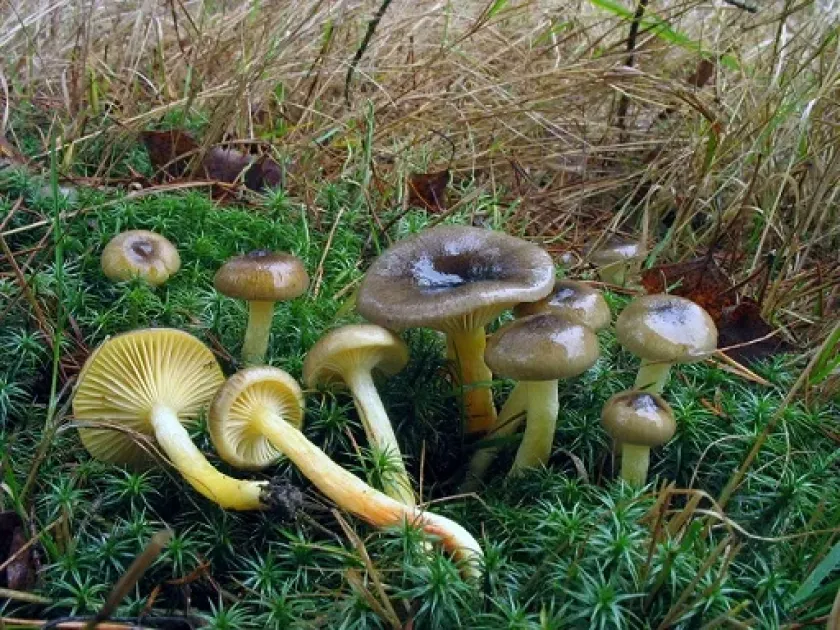
Description
Symptoms
The diagnostic signs of Hygrophorus mushrooms include waxy, often thick, and distant gills that are typically decurrent, extending down the stem.
Fruit bodies often exhibit a slimy or sticky texture on the surface of the cap, particularly after rainfall or under conditions of high atmospheric humidity.
Colors vary significantly among species, ranging from pure white and grey to vivid shades of yellow, pink, or red, which serves as a species-specific marker.
The mycelium resides within the soil or forest duff, establishing a network that interacts with the root systems of host trees.
Unlike plant pathogens, these fungi do not produce symptoms such as wilting, spots, necrosis, or structural decay on the leaves or stems of agricultural crops.
Pathogen
The genus Hygrophorus comprises a group of basidiomycete fungi belonging to the Hygrophoraceae family. It is vital to clarify that these organisms are not plant pathogens and do not cause diseases in agricultural crops.
Biologically, they are saprotrophic or mycorrhizal fungi. Many species form symbiotic relationships with tree roots, establishing ectomycorrhiza, which is essential for the nutrient uptake of forest tree species.
The name Hygrophorus is derived from Greek, referring to the moist or waxy appearance of the fruit bodies, which is a key identification feature for the genus.
The genus includes numerous species widely distributed in temperate forest zones, contributing to the decomposition of organic matter in forest leaf litter.
Because they do not infect or damage cultivated plants, these fungi are not categorized as agricultural pests or disease agents and require no control measures.
Conditions for development
The development of Hygrophorus fruit bodies is strictly associated with cool temperatures and high humidity, with many species appearing late in the autumn season.
The presence of mature forest stands is a crucial requirement for most species, as they rely on mycorrhizal associations with trees like spruce, pine, or oak.
Optimal growth conditions include well-moistened soils rich in organic matter, characteristic of healthy and stable forest ecosystems.
Anthropogenic disturbance or significant drainage of forest lands can negatively affect the ability of these fungi to produce visible fruit bodies.
Stable soil pH levels and sufficient moisture retention in the forest floor are essential environmental factors for the persistence of their mycelial networks.
Why it matters
Hygrophorus fungi are entirely harmless to the agricultural sector, as they have no pathogenic effect on any type of cultivated plant.
Instead, they provide positive ecological value by enhancing tree health through mycorrhizal symbiosis, which supports tree growth and resilience.
There are no reports of these fungi causing financial losses or yield reductions in crop production fields or nurseries.
They do not produce toxins or chemical compounds that would interfere with the development of crops or soil quality in agricultural settings.
Consequently, they are considered non-harmful components of the natural environment, requiring no management in terms of pest control.
Protection
Since Hygrophorus species are not pathogens, there are no control, prevention, or protection programs directed against them.
Any attempt to apply fungicides to eradicate these fungi is counterproductive, unnecessary, and ecologically damaging to the surrounding landscape.
Agricultural practices should prioritize the management of actual crop diseases, focusing on proven integrated pest management strategies.
Preserving the natural forest buffer zones around agricultural fields is beneficial for maintaining the overall biodiversity and ecological stability of the landscape.
Field identification and diagnostic efforts should be reserved for genuine phyto-pathological threats rather than non-pathogenic forest fungal species.
Discussion
No discussions yet — be the first.