
Hygrophoropsidaceae
Hygrophoropsidaceae
Description
Symptoms
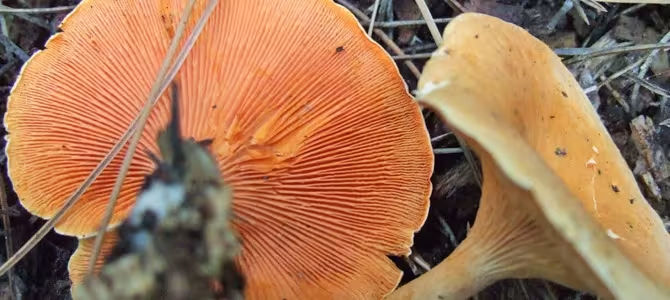
The most visible sign of an infection is the emergence of orange-to-yellow mushroom fruiting bodies on the surface of the bark or dead wood.
Affected wood often shows signs of brown rot, becoming brittle, crumbly, and losing its structural integrity over time.
Under the bark, white or yellowish mycelial mats may appear, signaling advanced colonization by the fungal threads.
Trees exhibiting such symptoms often show general malaise, including thinning foliage and brittle branches that break easily during wind events.
Cracking and lesions on the trunk are common pathways where the fungus exits the woody tissue to produce reproductive structures.
Pathogen
The Hygrophoropsidaceae family belongs to the order Boletales and consists of fungi that primarily function as saprotrophs on wood.
The most prominent member, Hygrophoropsis aurantiaca, is commonly observed growing on decaying conifer wood and various woody debris.
These fungi act as decomposers by secreting enzymes that break down lignin, cellulose, and hemicellulose in the plant cell structure.
The pathogen reproduces via spores, which are disseminated by wind, rain, and insects to colonize new vulnerable woody surfaces.
Its biology is characterized by a persistent mycelium that can survive long periods within the substrate, awaiting optimal conditions for fruiting.
Conditions for development
The development of Hygrophoropsidaceae is heavily influenced by high humidity levels and the availability of decaying plant material.
Environments with stagnant air and poor drainage contribute to the rapid germination and growth of fungal spores on tree trunks.
Moderate temperatures ranging from 15°C to 25°C provide an ideal climate for the fungus to expand its mycelial network throughout the host.
Any injury to the tree bark, whether caused by mechanical damage or environmental stressors, facilitates the entry of the fungal pathogen.
The presence of abandoned stumps or fallen logs in the vicinity significantly increases the risk of local spread within an orchard or forest.
Why it matters
The primary damage caused by these fungi is the degradation of the wood structure, which can lead to catastrophic structural failure of branches or trunks.
By consuming the internal resources of the tree, the fungus impairs the vascular system, leading to a reduction in water and nutrient transport.
Fruit production is significantly affected due to the overall stress the tree undergoes while battling the fungal colonization.
In forest management, the presence of these fungi indicates a decline in wood quality and a potential risk to neighboring healthy trees.
Persistent infestations often lead to premature tree death, necessitating removal to prevent the further buildup of fungal inoculum.
Protection
Effective management focuses on sanitation, including the prompt removal and disposal of dead wood and severely infected trees.
Preventative measures include sealing wounds on trunks with proper tree paint or wound dressings to block potential infection points.
Maintaining tree vigor through appropriate fertilization and water management helps the host build better natural defenses against pathogens.
- Regular inspection for early signs of decay;
- Disinfecting pruning tools between trees to prevent cross-contamination;
- Reducing excessive shade to improve airflow around the main stems.
While chemical fungicides have limited efficacy against established rot, they can be used preventatively during high-risk seasons to protect vulnerable bark.
Discussion
No discussions yet — be the first.