
Hygrophoraceae
Hygrophoraceae
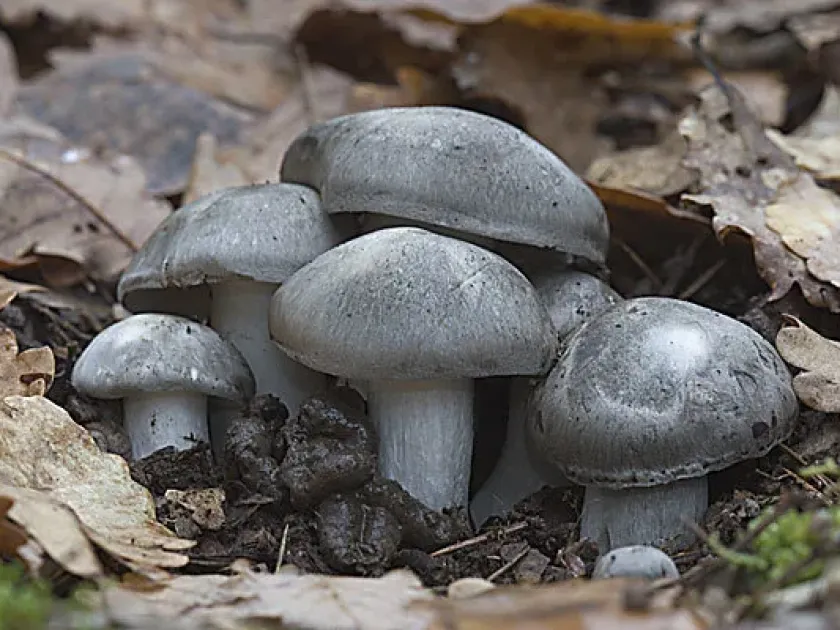
Description
Symptoms
It is critical to distinguish that Hygrophoraceae is a family of agaric fungi and not a plant pathogen causing disease.
The only sign of their presence is the emergence of colorful, waxy-looking fruiting bodies on the soil surface.
These organisms do not cause lesions, wilting, chlorosis, or necrotic spots on crops.
Visual inspections of fields or gardens will show no symptoms of disease on plant tissues in the presence of these fungi.
The appearance of these mushrooms is a normal biological phenomenon that does not interfere with plant development.
Pathogen
The Hygrophoraceae family consists of saprotrophic fungi that play a role in nutrient recycling.
They are not classified as parasites and do not infect or harm any agricultural or horticultural crops.
These fungi process decaying organic matter within the soil profile, contributing to general soil health.
Biologically, they are completely harmless to cultivated plants and do not produce toxins or invasive mycelia.
Therefore, they are not considered pathogens in any agronomic context.
Conditions for development
Fruiting bodies of Hygrophoraceae typically appear during periods of high soil and air humidity.
They thrive in well-structured, humus-rich soils that support various biological activities.
Cool, temperate conditions following heavy rainfall provide the ideal environment for their growth.
They are frequently found in moist, shaded areas of a field or orchard where soil moisture remains consistent.
Unlike parasitic fungi, their development is not accelerated by plant stress or specific agricultural practices.
Why it matters
Hygrophoraceae cause no damage to crop yields and do not impede the growth of agricultural plants.
They do not compete for essential nutrients, water, or light with the target crops.
The presence of these fungi in the field often indicates a rich, biologically active soil, which is beneficial for plant growth.
There is no economic harm associated with this family, as it does not affect product quality or storage.
They are non-threatening components of the natural ecosystem present in the agricultural landscape.
Protection
Since Hygrophoraceae do not cause plant diseases, no control measures or chemical treatments are necessary.
Applying fungicides is strictly advised against, as it would destroy beneficial soil microbial communities without cause.
If the appearance of fruiting bodies is aesthetically undesirable, they can simply be removed by hand.
Improved drainage can naturally regulate the soil moisture, reducing the likelihood of mushroom formation.
Farmers should focus their resources on genuine crop protection rather than worrying about this harmless fungi family.
Discussion
No discussions yet — be the first.