
Hydnotrya michaelis
Hydnotrya michaelis
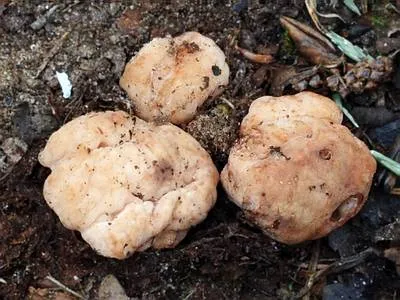
Description
Symptoms
The primary symptom of infection is the general suppression of plant growth. The above-ground parts of the plant begin to show signs of chlorosis, leaves turn yellow and drop prematurely without any visible cause on the soil surface.
Inspection of the root system reveals areas of necrosis and decay. The root tissues lose turgidity, darken in color, and a mycelial mat, characteristic of fungal development, is often observed at the site of infection.
A notable sign can be sudden wilting during periods of moderate temperatures, when soil moisture is adequate, but the plant fails to uptake water efficiently due to compromised root integrity.
In deep soil layers or near the root zone, the formation of specific fungal fruit bodies may occur; these appear as small, convoluted outgrowths and serve as clear evidence of an active infection source.
Systemic damage leads to a decline in crop yields and poor fruit quality, as the plant reallocates energy toward root regeneration rather than vegetative growth or fruit production.
Pathogen
Hydnotrya michaelis is a species of ascomycete fungus in the family Discinaceae. Within an agricultural context, it is recognized as a soil-borne pathogen capable of infecting the root systems of various plant species.
The biology of the pathogen is closely tied to the soil substrate. The fungus is hypogeous, meaning its fruit bodies develop beneath the soil surface, which complicates visual diagnosis during the early stages of infection.
The mycelium of the pathogen can persist for long periods in plant debris and deep within the soil, awaiting favorable conditions to infect host roots. This specific developmental cycle makes it a hidden threat to both orchard crops and certain vegetables.
Reproduction occurs via spores, which are disseminated by water, soil pests, or contaminated agricultural tools. The high adaptability of this fungus allows it to thrive in various soil types, particularly those rich in organic matter.
Unlike many other phytopathogens, Hydnotrya michaelis can enter into complex interactions with the root microbiome, often suppressing beneficial mycorrhizal fungi, which significantly weakens the plant's natural immune response.
Conditions for development
The development of Hydnotrya michaelis is directly dependent on soil moisture levels. The pathogen becomes highly active under excessive moisture conditions, when root aeration is poor, providing an optimal environment for fungal expansion.
Temperatures ranging from 15 to 22 degrees Celsius are most favorable for mycelial growth and spore production. Rapid temperature fluctuations may trigger the release of spores from the fruit bodies.
Soil acidity also plays a key role. Acidic soils with high organic content represent an ideal habitat for this pathogen, promoting its rapid proliferation.
Failure to follow crop rotation practices and inadequate soil tillage contribute to the accumulation of inoculum. Continuous cultivation of susceptible crops in the same area leads to disease escalation.
The application of excessive nitrogen fertilizers without balanced potassium and phosphorus levels makes plants more vulnerable to invasion by this specific fungus.
Why it matters
The harmfulness of Hydnotrya michaelis lies in the reduced viability of both perennial and annual crops. The infection can lead to the death of young seedlings whose root systems are not yet sufficiently developed.
In mature plants, a decrease in photosynthetic intensity is observed, which directly impacts productivity. Consequently, farms suffer economic losses due to the low market quality of the produce.
The pathogen facilitates the development of secondary infections by providing entry points into root tissues through micro-lesions caused by insects or mechanical soil cultivation.
Long-term contamination of a plot with Hydnotrya michaelis makes it impossible to grow sensitive crops for several years, requiring significant investment in soil disinfection and revitalization.
The fungus’s unique ability to develop in symbiosis with forest tree species makes it a dangerous neighbor for orchards adjacent to wooded areas or windbreaks.
Protection
Prevention begins with proper agricultural management. It is essential to ensure good soil drainage to prevent water stagnation, which is the primary measure against the development of ascomycete fungi.
Using healthy planting material is a critical protection tool. Before planting, seedlings should be treated with biological fungicides that strengthen root immunity.
Implementing crop rotation, including the use of cover crops that suppress soil pathogens, significantly reduces the risk of disease spread within the agro-ecosystem.
In cases where infection centers are identified, localized soil treatment with specialized copper-based fungicides or modern systemic products should be conducted.
- Regular application of liming materials to normalize soil pH.
- Timely sanitary removal of crop residues from the field.
- Application of Trichoderma-based bio-preparations to colonize the soil with antagonistic organisms.
Discussion
No discussions yet — be the first.