
Heterosporiosis
Heterosporicola dimorphospora
Description
Symptoms
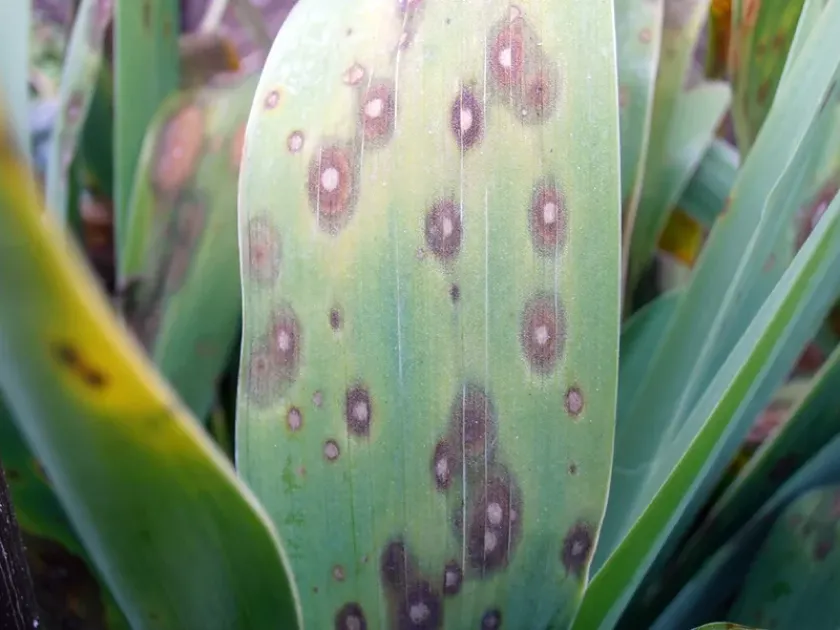
Initial symptoms are characterized by small, irregular necrotic spots that expand quickly across leaf surfaces under favourable conditions.
A distinctive dark, velvety layer of conidiophores often appears on the lesion surface, indicating active spore production by the fungus.
As the disease progresses, leaves may yellow and wither, leading to premature defoliation which significantly stresses the plant.
Stem lesions can also occur, which may restrict nutrient transport and cause parts of the plant to droop or collapse entirely.
- Necrotic spots on leaves and stems.
- Dark, velvety fungal growth on infected areas.
- Yellowing and premature death of foliage.
- Visible deformation of affected organs.
Pathogen
The disease is caused by the fungus Heterosporicola dimorphospora, which is a known pathogen impacting various plant species.
This fungus survives as mycelium or conidia in plant debris and soil, making it a persistent threat in agricultural environments.
Reproduction occurs through spores that are easily dispersed by wind, splashing water from rainfall, or irrigation systems.
The pathogen effectively exploits wounded plant tissues or natural openings to colonize and expand its parasitic presence within the host.
It remains one of the more challenging fungi to eradicate due to its high adaptability to varying climatic conditions throughout the season.
Conditions for development
Heterosporiosis thrives in environments with high relative humidity, specifically exceeding 80 percent, which triggers rapid fungal growth.
Warm temperatures ranging from 18 to 25 degrees Celsius are ideal for the rapid germination and colonization of host plant tissues.
Poor air circulation, often found in dense plantings, exacerbates the issue by keeping the foliage wet for extended periods.
Frequent rainfall or overhead irrigation provides the necessary water film required for the spores to infect new plant parts effectively.
Stress factors like improper fertilization or lack of sunlight make plants more susceptible to initial infection by this aggressive pathogen.
Why it matters
The infection significantly reduces the photosynthetic capacity of the plant, which leads to lower yields and poor fruit development.
In ornamental crops, the visual damage caused by the fungus renders the plants unsellable and diminishes their market value.
Continuous infection cycles can deplete plant vigor, making them significantly more vulnerable to secondary bacterial and fungal rot.
Losses are particularly heavy in regions where climatic conditions remain humid during the peak growing season for the host crops.
Management costs increase substantially when large-scale chemical intervention is required to save the remaining healthy portion of the crop.
Protection
Cultural practices such as crop rotation and the complete removal of infected plant material are fundamental to managing this disease.
Using certified, pathogen-free seeds and applying systemic seed treatments are essential early steps in preventing an outbreak.
Improving field ventilation through proper plant spacing reduces the humidity levels that the fungus requires for its life cycle.
Chemical control using authorized fungicides should be applied proactively when weather forecasts predict extended periods of wet conditions.
Regular field scouting and prompt removal of the first infected leaves can help contain the disease within a limited area of the field.
Discussion
No discussions yet — be the first.