
Heterosporiosis
Heterosporicola
Description
Symptoms
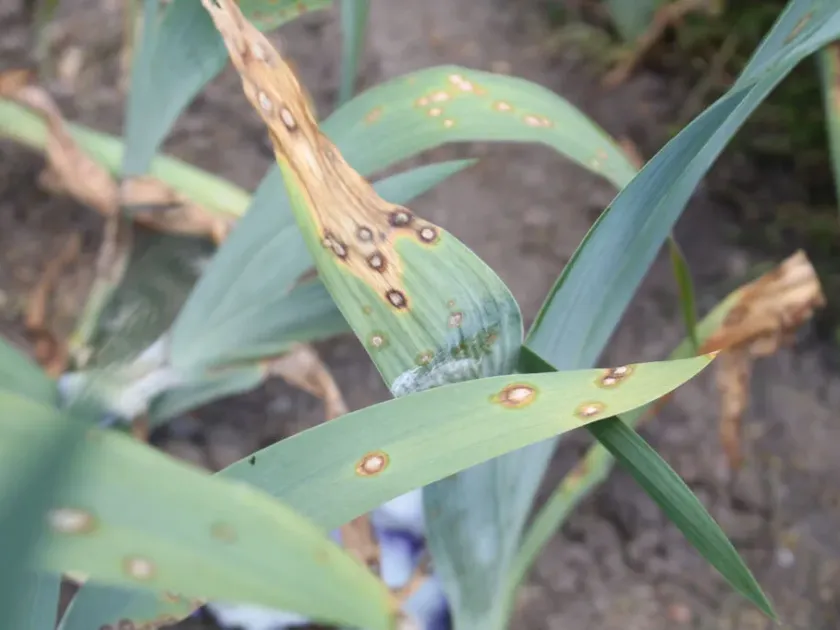
The initial signs include small, distinct spots on leaves that progressively turn brown or grayish-brown, often surrounded by a chlorotic halo.
A velvety coating, representing the fungal sporulation, often appears in the center of these necrotic spots, especially in warm and humid conditions.
As the disease progresses, these spots enlarge and merge, leading to extensive tissue death, premature leaf yellowing, and eventual plant desiccation.
In fruits and seeds, the pathogen creates sunken lesions that significantly decrease the quality of the harvested produce and affect the shelf life.
Stem lesions can cause the plant to lodge or break, particularly when the fungal infection weakens the structural integrity of the plant's vascular system.
Pathogen
Heterosporiosis is caused by several species of the Heterosporium genus, which are fungi classified within the Deuteromycota group (imperfect fungi).
The pathogen reproduces via conidia that develop in dense, dark-colored tufts on the surface of infected plant lesions, typical for its life cycle.
These fungi are saprophytic-parasitic in nature, meaning they can survive on decaying organic matter in the soil while waiting for a suitable host plant to infect.
Dissemination is primarily achieved through wind, rain splashes, and physical contact with agricultural equipment or infected seeds used during planting.
The fungus penetrates host tissues either directly through the epidermis or via natural openings such as stomata, subsequently colonizing the tissue with its mycelium.
Conditions for development
High relative humidity (above 75%) is the most critical environmental factor for the successful germination and spread of Heterosporium spores.
The fungus thrives within a temperature range of +18°C to +26°C, making warm and rainy growing seasons particularly risky for crop health.
Dense planting configurations limit airflow within the canopy, creating microclimates that are excessively damp and conducive to the rapid spread of the disease.
Monoculture farming increases the inoculum density in the field, as the lack of crop rotation allows the pathogen to persist on crop residues year after year.
Plants suffering from nutrient deficiencies or physical damage are significantly more susceptible to infection compared to those with strong, vigorous growth.
Why it matters
Heterosporiosis causes significant economic losses by drastically reducing the leaf surface area, which leads to stunted plant growth and lower photosynthetic capacity.
The disease negatively impacts both the yield quantity and quality, as infected fruits or grains become visually unappealing and may harbor mycotoxins.
Losses in agricultural output can reach significant percentages in years with favorable weather conditions for the pathogen if left untreated.
Contaminated fields may require long-term abandonment or costly soil treatments, which increases the overall cost of production for the farmer.
Furthermore, the disease predisposes plants to secondary infections by other opportunistic pathogens, complicating the overall phytosanitary situation.
Protection
Integrated disease management begins with rigorous crop rotation, which effectively breaks the disease cycle and prevents the buildup of fungal spores in the soil.
Deep plowing or incorporating crop residues into the soil is essential to ensure the rapid decomposition of the infected material by soil microorganisms.
Chemical control involving the timely application of fungicides is vital when weather conditions favor rapid disease progression during the growing season.
- Selection of resistant or tolerant crop cultivars for planting.
- Balanced nutrient management to enhance plant vigor and resistance.
- Proper spacing to facilitate air circulation and minimize leaf wetness.
Monitoring for early symptoms and initiating protective or curative fungicide treatments is the most effective way to protect crops from major losses.
Discussion
No discussions yet — be the first.