
Apple helminthosporium spot
Helminthosporium papulosum
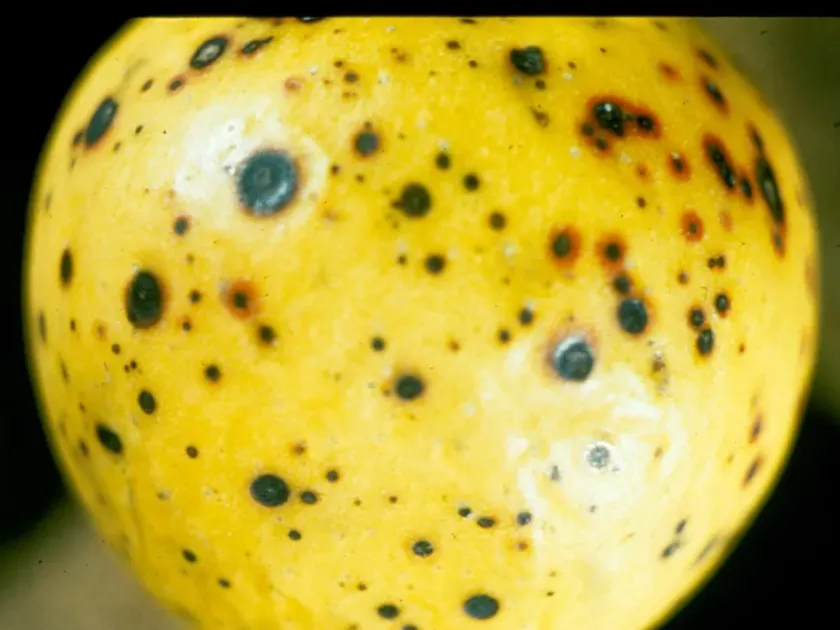
Description
Symptoms
Early symptoms appear as small, subtle, circular spots on the surface of young apple tree bark, often going unnoticed initially.
As the infection progresses, these spots expand, darkening to a distinct glossy black or deep brown color that is characteristic of the disease.
Cracking of the bark usually occurs in the center of these spots, leading to a rough, necrotic surface texture as the tissue dies.
Under humid conditions, a sparse fungal growth containing conidia may become visible on the surface of the lesions, aiding in further spread.
Over time, multiple spots may coalesce, creating large, irregular patches of damaged bark that disrupt the tree's normal aesthetic and health.
Pathogen
The disease is caused by the imperfect fungus Helminthosporium papulosum (synonym Clasterosporium papulosum), which acts as a pathogen on perennial woody plants.
This fungus survives in infected bark tissues and plant debris, making it a persistent threat that can remain in the orchard throughout the year.
The pathogen is known for its ability to penetrate the host through lenticels, which are natural small pores found on the bark surface.
The biological cycle of this fungus involves the production of conidia, which are efficiently dispersed by splashing rain and strong wind currents.
The fungus is adapted to thrive in variable environmental conditions, allowing it to colonize apple trees effectively during the growing season.
Conditions for development
High humidity and moderate temperatures are the most critical factors favoring the germination and growth of the fungus on tree surfaces.
Dense orchard plantings that lack adequate ventilation create a stagnant microclimate where the fungus can rapidly colonize new branches.
Stress factors, such as winter cold damage or excessive moisture, make the bark more susceptible to fungal entry and subsequent infection.
The presence of unpruned branches or dead wood acts as a reservoir, allowing the disease to build up its population density over several seasons.
Rainy weather patterns facilitate the transport of fungal spores from the canopy to the trunk, spreading the pathogen throughout the entire tree structure.
Why it matters
The fungus causes progressive necrosis of the outer bark, which can impede the transport of water and nutrients throughout the branch system.
Severe infections reduce the overall vigor of the apple tree, leading to stunted shoot growth and a weakened capacity to resist other environmental stressors.
Yield loss occurs because the tree lacks the metabolic energy to properly develop fruit when its conductive tissues are damaged by the fungus.
Damaged bark becomes a entry point for secondary wood-rotting organisms, further decreasing the long-term lifespan of the orchard.
In neglected cases, systemic infection of the branches results in dieback, necessitating the removal of major limbs to save the tree.
Protection
Sanitation is the most effective approach: prune out and incinerate all infected wood promptly to remove the primary source of the inoculum.
Maintain tree health through proper nutrition and irrigation, which enhances the tree's natural defense mechanisms against fungal pathogens.
Application of copper-based fungicides during the dormant season is a standard preventive practice to protect the bark from fungal colonization.
Ensure proper orchard layout and pruning practices to maximize airflow and sunlight penetration, which helps keep the bark dry.
Treat any mechanical injuries to the tree immediately with protective wound dressings to prevent the fungus from gaining an easy foothold.
Discussion
No discussions yet — be the first.