
Helminthosphaeria corticiorum
Helminthosphaeria corticiorum
Description
Pathogen
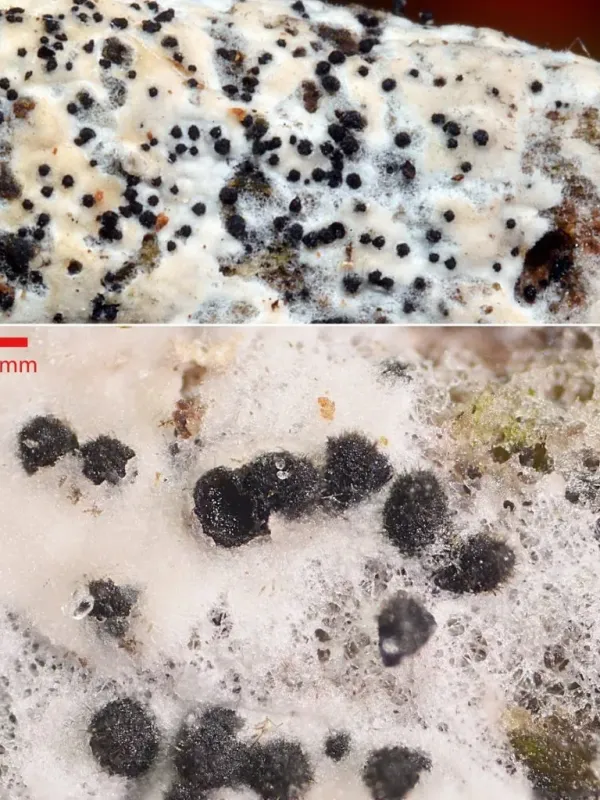
Helminthosphaeria corticiorum is an ascomycete fungus characterized by its mycophilic nature, meaning it specifically parasitizes other fungi. It is frequently observed growing on the mycelium and stromata of corticioid fungi found on bark.
The fungus produces small, dark, flask-shaped perithecia. These reproductive structures are the primary diagnostic features used by mycologists to identify the species in the field or laboratory settings.
As a specialist parasite, its life cycle is intricately linked to the presence and health of its fungal hosts. It does not infect the plant tissue directly but exerts an impact on the fungal flora inhabiting the tree surface.
Spore production is a key component of its biology, allowing the fungus to disseminate across different woody substrates via air currents or water droplets.
Scientific interest in this species stems from its ecological role in natural suppression of certain bark-inhabiting fungi, which can be essential for forest ecosystem balance.
Conditions for development
The development of Helminthosphaeria corticiorum is highly dependent on humidity levels. Persistent moisture on the bark surface is crucial for the germination of its spores and subsequent growth.
Temperature requirements are generally aligned with the temperate climate zones where its hosts are most active, providing an ideal environment for seasonal development.
A stable substrate, typically the bark of trees supporting dense colonies of host fungi, is a prerequisite for the establishment of the pathogen.
Environmental conditions that favor the proliferation of corticioid fungi inherently provide more resources for Helminthosphaeria corticiorum, leading to increased population density.
Shaded areas with minimal airflow and high relative humidity provide a protective micro-environment that shields the fungus from desiccation during less favorable weather periods.
Discussion
No discussions yet — be the first.