
Hebeloma cistophyllum
Hebeloma cistophyllum
Description
Pathogen
Hebeloma cistophyllum is a species of mushroom within the Hymenogastraceae family. It is crucial to note that this organism is not a plant pathogen; it does not cause diseases in agricultural or forest crops.
Instead, this fungus plays a significant ecological role as a mycorrhizal symbiont. Its mycelium interacts with the root systems of certain woody plants, particularly species of the Cistus genus.
The fungus facilitates nutrient and water uptake for the host plant by extending the reach of the root system through an extensive network of hyphae. This relationship is entirely mutualistic.
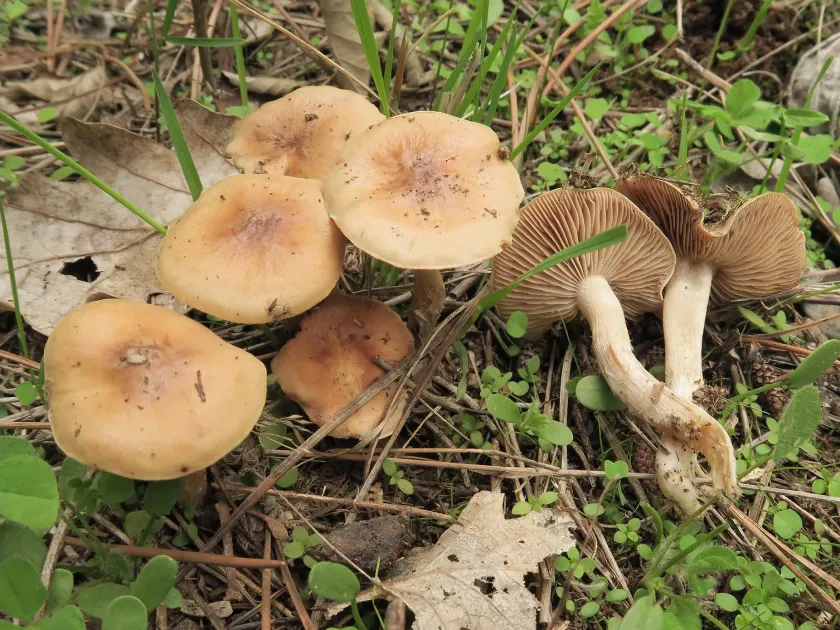
In terms of biology, the mushroom produces small to medium-sized fruit bodies. The development of these structures occurs only when the symbiotic bond with the host plant is established and stable.
From an agronomical standpoint, such fungi are considered indicators of a healthy soil ecosystem where natural symbiotic processes remain undisturbed by excessive synthetic fertilizers.
Conditions for development
The development of Hebeloma cistophyllum is heavily reliant on the presence of specific host plants. It requires soil environments that support natural mycorrhizal colonization.
Adequate soil moisture and moderate temperatures are essential for the mycelial growth and subsequent formation of fungal fruiting bodies during the active season.
Soil pH and organic content in the rhizosphere play a vital role in determining the success of the colonization process between the fungus and the host plant roots.
The spread of the fungus occurs via spores, which are disseminated by wind or animals. Successful germination depends on the availability of compatible plant roots in the vicinity.
Minimal soil disturbance and the maintenance of leaf litter are optimal conditions for this species to thrive within its natural habitat or in reforestation areas.
Discussion
No discussions yet — be the first.