
Harposporium anguillullae
Harposporium anguillullae
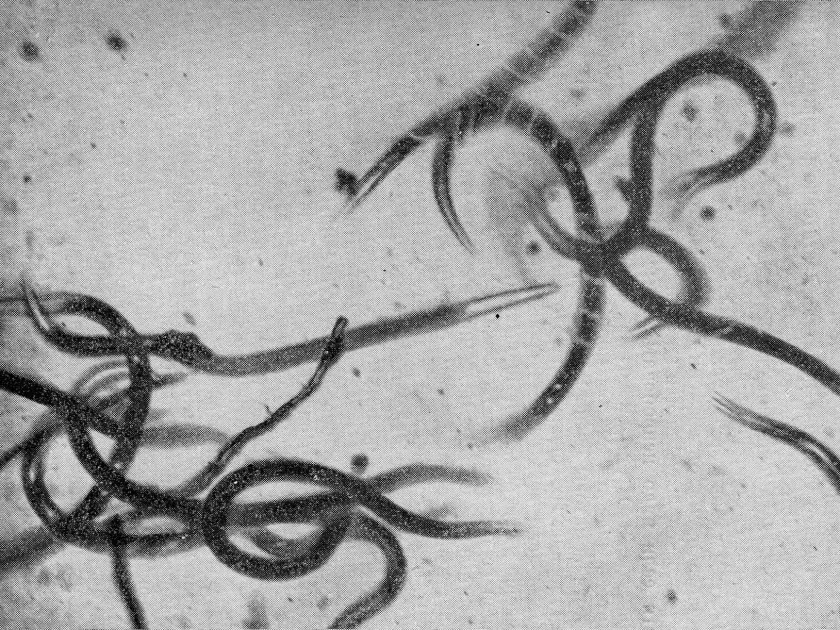
Description
Symptoms
Directly observing the fungus in a field setting is not possible without laboratory analysis. Diagnosis usually requires the extraction of soil samples followed by microscopic examination.
The most distinctive feature is the presence of characteristic hook-shaped or sickle-shaped conidia. These spores are essential for the fungal infection cycle and are often found in association with dead or dying nematodes.
Microscopic signs within a nematode body include the development of fungal hyphae that eventually fill the entire host, leading to its death and disintegration.
A reduction in the population density of harmful nematodes over time in specific fields can serve as an indirect indicator of high activity of nematophagous fungi like Harposporium.
Diagnostic laboratory tests involve isolating the fungus on selective nutrient media, where it produces its typical spores, allowing for confirmed identification of the species.
Pathogen
Harposporium anguillullae is a microscopic fungus classified as a nematophagous fungus. It acts as a biological control agent rather than a plant pathogen, specifically targeting soil-dwelling nematodes.
The fungus develops unique structures capable of capturing nematodes. These structures can be sticky or produce spores that are ingested by the host, leading to infection within the nematode's body.
Once inside, the fungus grows as a mycelium, utilizing the nematode's internal tissues as a nutritional source. This parasitic process eventually kills the nematode, effectively reducing the population of these microscopic worms.
Unlike pathogenic fungi that damage crops, Harposporium anguillullae is non-phytotoxic. It does not infect or harm roots, stems, or leaves of agricultural plants, making it a valuable component of a healthy soil ecosystem.
Biological studies of this species highlight its potential in sustainable agriculture as an alternative to chemical soil fumigants used for nematode suppression.
Conditions for development
Fungal activity is highly dependent on environmental factors, with moisture being the most critical parameter. High soil moisture facilitates the movement of spores and successful colonization of nematode hosts.
Temperature range is another vital factor, with moderate conditions between 18°C and 25°C being ideal for the metabolic processes of the fungus and its effective infection rate.
Soil organic matter content contributes to a diverse and active microbial community, which supports the survival and growth of nematode-trapping fungi. Rich, healthy soils are more likely to harbor these beneficial organisms.
The pH level of the soil should be close to neutral. Highly acidic or alkaline environments can inhibit the growth of the fungus and reduce its efficacy in suppressing nematode populations.
Aeration is also necessary for the growth and respiration of the fungus. Soil management practices that ensure proper structure are essential to allow the fungus to effectively spread through the soil profile.
Why it matters
Harposporium anguillullae does not cause any harm to agricultural crops. In fact, its presence is considered highly beneficial, as it actively contributes to the suppression of plant-parasitic nematodes.
These parasitic nematodes often damage the root systems of various crops, such as potatoes, vegetables, and ornamentals. By controlling these pests, the fungus prevents yield losses and protects plant health.
The biological action of this fungus is targeted and specific to nematodes, posing no threat to beneficial soil insects, earthworms, or higher plant species.
The ecological role of this organism is to serve as a natural check and balance within the soil food web, preventing the excessive buildup of harmful nematode populations.
Therefore, farmers and agronomists view Harposporium anguillullae as a natural ally, representing a key component of integrated pest management strategies.
Protection
Preservation of this beneficial fungus relies on adopting organic-friendly farming practices. Reducing the use of broad-spectrum synthetic fungicides and soil fumigants is crucial to maintain fungal biodiversity.
Application of green manure, compost, and other organic amendments provides necessary substrates that foster the development of beneficial soil fungi.
Proper crop rotation helps manage nematode levels naturally, creating conditions where nematophagous fungi like Harposporium can thrive and effectively regulate soil pests.
Ongoing research is focused on developing bio-inoculants based on such fungi, which could be applied to soil to provide targeted protection against nematode infestations in greenhouse and field crops.
Sustainable soil management must include monitoring for these beneficial organisms as part of the overall assessment of soil health and productivity potential.
Discussion
No discussions yet — be the first.