
Hemobartonellosis
Haemobartonella felis
Description
Symptoms
The main clinical symptom is progressive anemia. The animal exhibits paleness or jaundice of the mucous membranes of the mouth and eyes.
Cats become extremely lethargic, refuse to play, and tire quickly. Pronounced dyspnea is observed even during minor physical exertion.
Elevated body temperature is frequently reported. The animal demonstrates a decrease or total loss of appetite against a background of general exhaustion.
In severe cases, urine turns dark due to the excretion of hemoglobin breakdown products. Without qualified medical assistance, the pet's condition worsens rapidly.
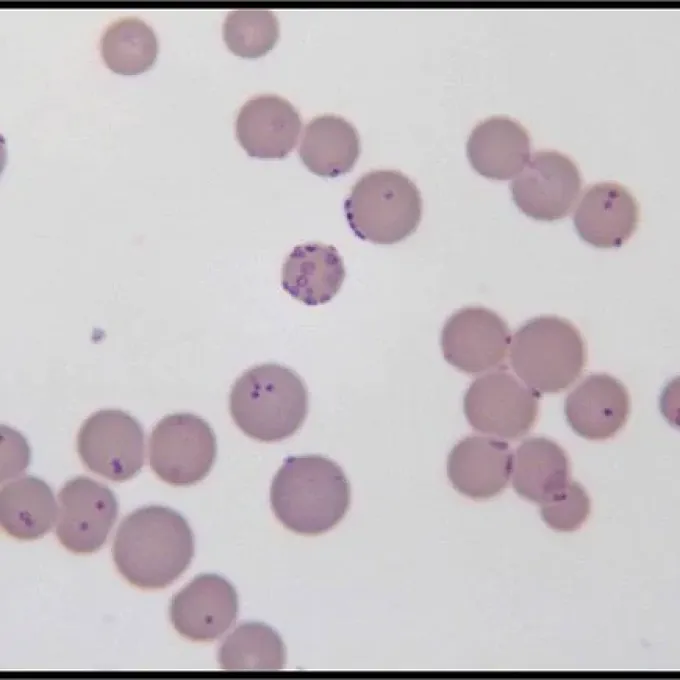
Veterinarians use PCR diagnostics to confirm the diagnosis. Microscopic examination of peripheral blood smears is also performed to identify the parasites.
Pathogen
The causative agent of the disease is the microorganism Mycoplasma haemofelis, previously classified as Haemobartonella felis. It is a tiny epicellular parasite belonging to the mycoplasma group.
This microorganism affects exclusively the erythrocytes of felines by attaching to their outer membrane. It is not a plant pathogen, a fact crucial for accurate information retrieval.
The biology of the parasite is characterized by its ability to cause damage to the cell membrane of red blood cells. This leads to their premature destruction within the animal's body.
Transmission occurs primarily through the bites of ectoparasites, such as fleas and ticks. Transmission via deep bite wounds during fights between cats is also possible.
Inside the organism, the pathogen multiplies by utilizing nutrients from the erythrocytes. This disrupts normal gas exchange and blood supply to the body's tissues.
Conditions for development
The spread of the infection directly depends on the population of vectors in the environment. Warm climates promote active flea reproduction, increasing the risks.
Risk groups include cats with weakened immune systems and animals with outdoor access. The lack of regular parasite control measures makes a pet vulnerable.
Stressful situations or the presence of co-occurring viral diseases, such as feline leukemia or immunodeficiency, provoke clinical manifestation.
The incubation period can vary from a few days to several weeks. Frequently, latent carriers appear healthy until exposed to external stressors.
High population density in shelters or breeding facilities significantly increases the likelihood of rapid pathogen spread through flea infestation.
Why it matters
The main danger lies in the destruction of erythrocytes, leading to hemolytic anemia. The body stops receiving sufficient amounts of oxygen.
Prolonged oxygen deprivation negatively impacts heart, liver, and kidney function. In the absence of treatment, death is possible due to a critical drop in hemoglobin levels.
The disease drains the body's resources, making it highly susceptible to secondary infections. The immune system fails to cope with basic threats.
Secondary complications include spleen damage as the organ attempts to compensate for blood destruction. The risk of severe heart failure increases.
The danger is also hidden in the disease's stealthy progression. Many owners consult a doctor only when blood destruction becomes irreversible.
Protection
The basis of control is comprehensive premises disinsection and the application of insecticidal treatments to animals. This interrupts the vector life cycle.
Treatment includes the administration of specific tetracycline-class antibiotics. They effectively suppress the multiplication of mycoplasma in the blood.
Glucocorticosteroids are often used to support the body. They help reduce the activity of the autoimmune response directed against the animal's own red blood cells.
In critical cases, blood transfusion is required. Transfusion allows for the restoration of vital indicators and helps save the pet's life.
Prevention involves adhering to proper husbandry standards and regular veterinary check-ups. Timely vaccination against other viral diseases increases overall resistance.
Discussion
No discussions yet — be the first.