
Juniper rust
Gymnosporangium fusisporum
Description
Symptoms
The first noticeable signs of infection are the development of galls, swellings, or tumor-like growths on the branches or main stems of the juniper. These areas may appear discolored compared to the surrounding healthy bark.
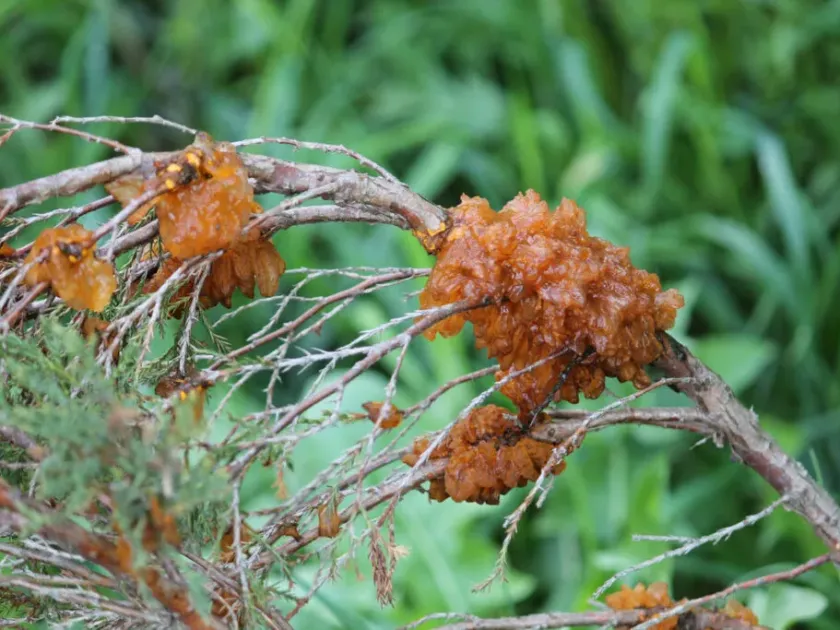
During periods of high humidity in the spring, orange or reddish-brown jelly-like masses protrude from the cracked bark. These gelatinous structures are the fruiting bodies of the fungus, which absorb water and expand rapidly.
As these structures dry out, they release a mass of spores into the air. Following the infection, the needles on the affected branches often turn yellow, wither, and eventually drop off, causing visible thinning of the crown.
Over time, the affected branches become deformed, showing signs of severe stress. If the infection persists, the branches may lose their elasticity, becoming brittle and prone to breaking during windy or snowy weather.
Chronic infestation leads to a significant loss of decorative value. In severe cases, large portions of the plant may die back, and the persistent presence of the pathogen creates permanent scars and lesions on the woody parts of the juniper.
Pathogen
The causative agent of this disease is the specialized basidiomycete fungus known as Gymnosporangium fusisporum. It is an obligate parasite that requires two different hosts to complete its complex biological life cycle.
As a heteroecious fungus, it alternates between juniper plants and various pome fruit trees belonging to the Rosaceae family. This alternation is crucial for the pathogen to survive and produce various types of spores throughout the year.
The mycelium of the fungus develops within the tissues of the juniper branches, often remaining dormant during unfavorable weather conditions. It gradually grows deeper into the wood, establishing a long-term infection within the host plant.
Upon the arrival of favorable spring conditions, the fungus produces specialized spore-bearing structures. These structures are designed to release spores into the air, which can be carried by winds over significant distances to infect other host plants.
This fungal disease belongs to the rust group. It is characterized by its ability to cause systemic damage, leading to physiological disturbances that weaken the overall health and structural integrity of the affected conifer shrub.
Conditions for development
High relative humidity and frequent rainfall are the most critical environmental conditions for the development of juniper rust. Moist air and wet surfaces on the plants facilitate the germination of fungal spores.
The optimal temperature range for the pathogen's activity is between +15°C and +22°C. During this time, the development of spores and the infection rate of new tissues are at their peak, posing a serious threat to the plants.
Poor aeration in dense plantings creates a stagnant microclimate that retains moisture on the needles and bark for longer periods. This environment significantly increases the probability of fungal spores settling and penetrating the host tissues.
The spread of the disease is largely driven by wind patterns, which can transport spores from infected garden fruit trees to nearby junipers. Proximity to potential alternate hosts is a major risk factor for establishing a new disease cycle.
Neglecting basic sanitation, such as failing to remove infected material or leaving fallen needles beneath the canopy, contributes to a high reservoir of spores. These spores can easily overwinter and cause a resurgence of the disease the following year.
Why it matters
Juniper rust severely damages the aesthetic appeal of ornamental conifers. The plant becomes sparse and sickly, losing the lush, vibrant appearance that makes it a prized feature in many landscapes and garden designs.
Physiologically, the disease disrupts the flow of nutrients and water by damaging the phloem and cambium layers. This systemic blockage prevents the plant from maintaining its natural growth processes, leading to stunted development.
Chronic infections weaken the plant's immune system, making it more susceptible to secondary infestations by pests such as bark beetles or other opportunistic fungi. This compounded stress often leads to the death of the entire shrub.
There is a substantial economic impact associated with managing this disease, including the costs of specialized chemical treatments, the labor required for intensive pruning, and the need for plant replacement if the infection becomes irreversible.
Furthermore, the presence of juniper rust on the property poses a continued threat to adjacent pome fruit trees. By serving as an infection source, the juniper can significantly reduce the yield and quality of fruits in the garden.
Protection
Pruning out infected branches is the primary method of control. All branches displaying galls or abnormal swellings must be removed well below the site of infection and burned or disposed of safely to prevent further spore distribution.
Regular applications of copper-based fungicides are highly recommended as a preventive measure. These treatments help create a protective barrier on the plant surface, making it difficult for spores to germinate and colonize the tissue.
For more severe cases, systemic fungicides from the triazole or strobilurin classes can be used. These chemicals are absorbed by the plant and provide a more targeted approach to inhibiting the fungus from within the plant tissue.
Maintaining proper spatial separation is a vital preventative strategy. Avoiding the planting of junipers near apple, pear, or hawthorn trees can significantly break the fungus's life cycle and reduce the incidence of rust.
General care should focus on boosting the plant's natural vigor. Balanced fertilization and ensuring good air circulation around the crown through strategic pruning will help the juniper remain resilient against potential fungal threats.
Discussion
No discussions yet — be the first.