
Grovesiella
Grovesiella
Description
Symptoms
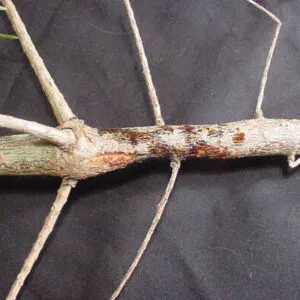
The initial signs of Grovesiella infection include localized necrotic lesions on the bark. These spots often appear sunken and may change color, signaling the death of underlying tissues due to fungal activity.
Resinosis, or excessive resin flow, is a common symptom as the tree attempts to defend itself against the invasion. However, this is rarely effective in stopping the colonization process once it has reached the inner bark.
Needle discoloration, ranging from yellowing to a deep reddish-brown, is often observed on infected branches. This change is a direct result of the blockage or destruction of nutrient transport vessels caused by the fungus.
Microscopic examination of the bark surface reveals the presence of clustered, tiny dark fruiting bodies. These are distinct signs that confirm the presence of the pathogen in the symptomatic tissue.
When the infection girdles the stem or branches, it leads to the death of the distal parts of the tree, potentially killing the entire plant if the main stem is effectively ringed by the necrosis.
Pathogen
Grovesiella is a genus of pathogenic fungi, with Grovesiella abieticola being the most significant species affecting conifer populations. It is an ascomycete fungus that primarily colonizes the bark and cambium layers of various coniferous species.
The fungus produces small, black or dark brown apothecia (fruiting bodies) directly on the surface of infected bark or branches. These structures are the primary source of inoculum within a forest or plantation.
Spore dissemination occurs via air currents and moisture, such as rain splashes or mist. Once released, these spores travel to susceptible hosts, where they initiate new infections during periods of high humidity.
The pathogen utilizes wounds, cracks, and natural openings in the bark as entry points to colonize the host tissues. Once established, the mycelium grows internally, disrupting the tree's vascular system.
Genetically, this fungus is highly specialized, having evolved to thrive in the specific microenvironments provided by the bark of coniferous trees, which makes it a persistent and difficult pathogen to eradicate.
Conditions for development
Grovesiella thrives in environments characterized by high humidity and frequent rainfall. Prolonged periods of fog and dew create an ideal climate for the fungus to produce spores and infect new hosts.
Stressed trees, whether due to drought, poor planting conditions, or root competition, are significantly more susceptible to infection. A robust, healthy tree is much better equipped to resist fungal entry.
Dense planting configurations limit airflow, creating a stagnant microclimate that retains moisture around the tree bark. This environment is highly conducive to the rapid spread of the pathogen.
Mechanical damage from logging, animal browsing, or environmental factors (such as frost cracks) provides easy access for the spores to penetrate the bark and start their life cycle.
Cooler temperatures combined with high atmospheric moisture are often associated with the peak infection phases, as the fungus is well-adapted to these temperate conditions.
Why it matters
The damage caused by Grovesiella is significant, particularly in young plantations where the loss of saplings can compromise the density and future timber production of the entire forest stand.
In ornamental nurseries, the presence of this disease can result in high economic losses as affected specimens are rendered unsellable due to poor health and disfigurement.
The pathogen can serve as a primary stressor, making the trees more vulnerable to secondary invaders, including bark beetles, which often deliver the final blow to the weakened host.
Outbreaks of Grovesiella can lead to large-scale forest degradation, necessitating extensive sanitary logging operations to remove infected material and prevent further spread.
- Reduction in growth rates and biomass accumulation.
- Increased risk of secondary infestations by pests.
- Permanent loss of tree value in landscape and commercial forestry.
Protection
The most effective management strategy is integrated prevention. This includes selecting resistant tree varieties and ensuring appropriate spacing to promote optimal air circulation throughout the plantation.
Sanitation is critical; all infected branches and dead trees must be pruned and removed immediately to eliminate the source of spores. All cutting tools must be disinfected after use on symptomatic plants.
Chemical control, such as the application of copper-based fungicides or other systemic agents, can be used in high-risk areas or nursery settings during the early stages of growth to prevent infection.
Managing the health of the stand is paramount. Providing adequate irrigation and balanced nutrition helps maintain the trees' natural defenses, allowing them to resist colonization by the fungus.
Ongoing monitoring of the health status of conifer stands is essential. Early detection allows for immediate intervention, which is necessary to prevent the transition from isolated cases to widespread infection.
Discussion
No discussions yet — be the first.