
Graphiosis
Graphium fimbriasporum
Description
Symptoms
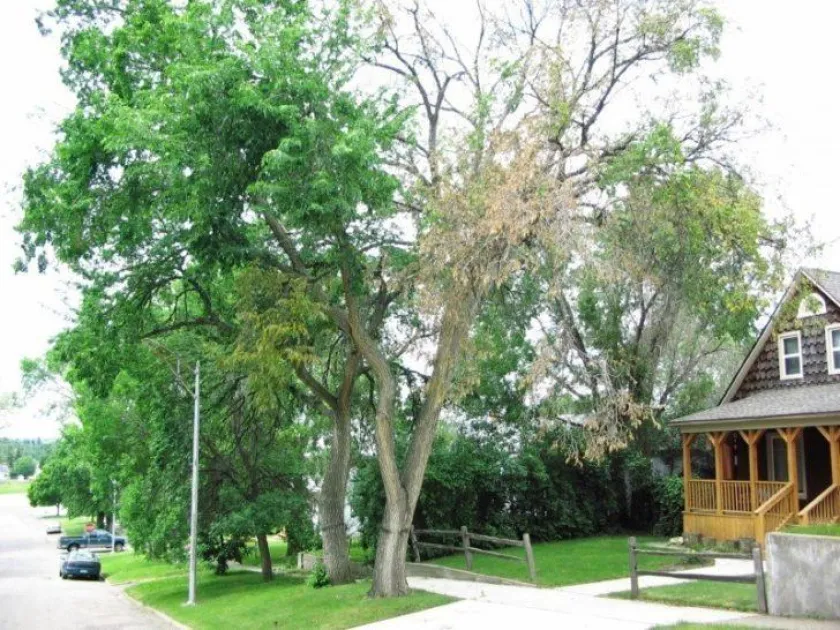
The primary clinical sign of graphiosis is sudden wilting of the foliage, which often appears irreversible. Leaves lose turgor, turn yellow, and eventually drop off, regardless of soil moisture levels.
Diagnostic evidence can be found in the vascular tissue. Cross-sectioning a branch or stem typically reveals brown or dark discoloration in the xylem ring, indicating a blockage of the water-conducting channels.
Stunted growth and premature cessation of shoot development are characteristic of infected specimens. If the disease progresses, necrotic lesions appear on the bark, often resulting in cracking.
Under favorable conditions, one might observe minute dark, bristle-like fruiting bodies (coremiata) emerging from the bark surface. These are essential indicators for confirming the presence of the pathogen.
As the infection progresses, symptoms often start from the top of the plant or specific branches before eventually affecting the entire individual. In advanced stages, the plant displays signs of severe dehydration and tissue death.
Pathogen
The disease is caused by the fungus Graphium fimbriasporum, which belongs to the imperfect fungi group. This pathogen specializes in colonizing the plant's vascular system, specifically the xylem vessels.
The fungus invades the plant tissue through mechanical wounds or insect bites. Once inside, the mycelium spreads rapidly throughout the xylem, obstructing the flow of water and essential nutrients from roots to leaves.
The pathogen reproduces by forming conidia in structures known as coremiata. These tiny spores are easily dispersed by wind, rain splashes, or insects, ensuring the rapid spread of the disease to healthy plants.
Graphium fimbriasporum has a high persistence capacity, often overwintering in infected plant debris or dead wood. This ability to survive in various conditions makes it a significant challenge for long-term crop protection.
The fungus also produces phytotoxins during its growth phase. These toxins contribute to the systemic collapse of the host plant's metabolism, exacerbating the symptoms of wilting.
Conditions for development
High humidity and moderate temperatures are the most favorable conditions for the development of Graphium fimbriasporum. These conditions promote faster spore germination and colonization of host tissues.
Dense planting patterns and poor airflow create a humid microclimate near the plant, which significantly increases the risk of infection. Stagnant air allows spores to settle and germinate more effectively.
Mechanical damage caused by improper pruning is one of the most common ways the pathogen gains entry. Failing to disinfect tools after cutting an infected plant is a major factor in disease transmission.
Insect vectors that feed on plant bark are critical contributors to the spread of the disease. They create wounds and introduce fungal spores deep into the conductive tissues of the plant.
Plants under physiological stress, such as those suffering from malnutrition or drought, have weaker immune responses. Consequently, these plants are significantly more susceptible to successful invasion by the fungus.
Why it matters
The economic impact of graphiosis is primarily due to the destruction of the water-conducting system. This causes severe physiological damage that leads to the death of branches or the entire plant.
In nurseries and commercial orchards, the disease can cause major losses by ruining entire batches of nursery stock. The presence of the pathogen often mandates the removal and destruction of affected crops.
Graphiosis significantly degrades the aesthetic and health value of landscape trees and ornamental plants. The cost of management and subsequent replanting creates a long-term financial burden.
Quarantine measures and the need for frequent sanitation increase the operational costs for farmers. Failure to address the infection can lead to local outbreaks that threaten neighboring susceptible plants.
The hidden nature of the infection makes early detection difficult. Often, by the time signs appear, the fungus has already caused extensive damage to the structural integrity of the plant.
Protection
The most effective strategy involves strict phytosanitary measures. Infected plants must be removed and destroyed immediately, including their root systems, to eliminate potential spore sources.
Regular sanitation of gardening tools is mandatory. Disinfecting pruners, saws, and other equipment between uses with alcohol or appropriate biocides is crucial for preventing cross-contamination.
Controlling insect pests is a necessary component of an integrated pest management program. Managing vector populations helps to minimize the occurrence of bark wounds where the fungus can enter.
Systemic fungicides may provide control when applied early or as part of a preventative schedule. It is important to alternate between different chemical groups to prevent the development of resistant strains.
- Maintaining plant vigor through balanced nutrition and proper watering.
- Sealing large pruning wounds with antiseptic pastes or wood paint to prevent infection.
- Ensuring adequate spacing between plants to improve airflow and reduce humidity.
- Selecting resistant cultivars for new plantings whenever available.
Discussion
No discussions yet — be the first.