
Gnomonia leaf spot
Gnomoniella
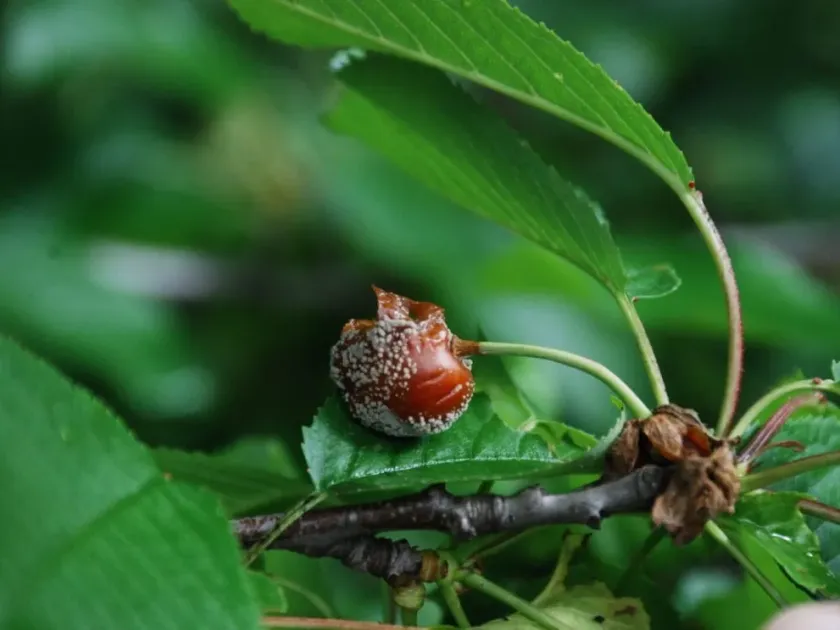
Description
Symptoms
The first signs of infection typically appear as small, light-colored spots on leaves that gradually darken to brown or reddish-brown as the disease progresses.
Affected spots often exhibit a defined, sometimes darker margin, distinguishing the diseased tissue from the surrounding healthy leaf area.
Small, black, pimple-like structures, which are the fruiting bodies (pycnidia or perithecia) of the fungus, frequently appear in the center of the spots.
In addition to leaf spots, severe infections can cause lesions on petioles and young stems, potentially leading to wilting or curling of the plant parts.
Premature leaf drop is a common consequence of heavy infection, which significantly disrupts the plant's natural life cycle and metabolic processes.
Pathogen
Gnomonia leaf spot is caused by fungi belonging to the Gnomoniella genus (and related Gnomonia species), which are Ascomycetes. These fungi specialize in infecting foliage and woody stems of various perennial plants.
The fungus survives the winter as perithecia within fallen, infected leaves. During the spring, these fruiting bodies release ascospores that initiate primary infections.
Spread of the pathogen occurs primarily through water splash and wind dispersal, allowing the spores to land on healthy tissues of susceptible host plants.
Upon germination, the fungus grows into the plant tissue, colonizing intercellular spaces and eventually damaging cells to derive nutrition for its growth.
The biological cycle is highly dependent on climate conditions; therefore, the pathogen shows a distinct seasonal pattern in its ability to infect new host tissues.
Conditions for development
High humidity and consistent moisture are the primary drivers for the development and spread of the disease, particularly during wet spring seasons.
Lack of proper air circulation, often due to overcrowded planting or poor pruning habits, creates a stagnant environment that favors spore germination.
The presence of overwintered plant debris beneath the canopy serves as the primary reservoir for the pathogen to re-infect plants each year.
Plants that are already under stress, whether from drought, nutrient deficiency, or pest damage, are more susceptible to the colonization by this fungus.
Temperature ranges that remain warm and moist are ideal for the fungal mycelium to flourish and for the production of new generations of spores.
Why it matters
The primary harm caused by Gnomonia leaf spot is the significant reduction in photosynthetic capacity, which weakens the plant and limits its growth potential.
Defoliation reduces the plant's ability to store energy reserves, which makes it less hardy and more susceptible to winter injury and low temperatures.
Fruit quality can be indirectly impacted, as the plant lacks the necessary energy to support optimal development, leading to smaller or lower-quality yields.
Long-term infestation can lead to the dieback of stems and branches, which negatively affects the aesthetic and structural health of the plant.
In extreme cases, the overall health of the plant deteriorates to a point where it may become vulnerable to secondary infections or environmental stressors.
Protection
The most critical control measure is sanitation, which involves the removal and destruction of all fallen leaves and infected debris to eliminate overwintering sites.
Proper pruning techniques are essential to improve airflow through the canopy, which helps leaves dry faster and reduces the risk of fungal establishment.
Fungicide applications, particularly those containing copper or systemic active ingredients, can protect foliage during high-risk periods of moisture and growth.
Maintaining vigorous plant health through adequate fertilization and irrigation helps the plant develop natural resistance to fungal pathogens.
- Regular monitoring for early signs of spots;
- Improving orchard or garden ventilation;
- Applying preventative fungicidal treatments;
- Using certified disease-free planting stock.
Discussion
No discussions yet — be the first.