
Gloeotinia grain rot
Gloeotinia granigena
Description
Symptoms
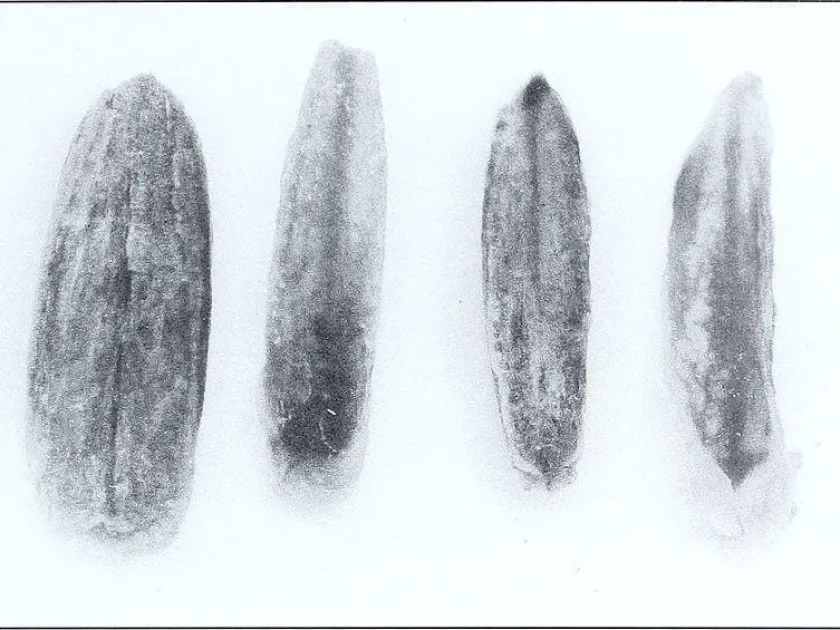
The disease is primarily characterized by the development of a white or pinkish fungal mycelium on the spikes. As the pathogen matures, it replaces the developing grain with a hard, dark sclerotium.
During the harvest, these sclerotia are often harvested alongside healthy grain. They are typically black, hard, and resemble oversized or misshapen grain kernels in terms of size.
Infected plants may exhibit stunted growth and localized necrosis in the floral parts. In severe cases, the entire spike may become sterile, resulting in a total loss of grain on those stalks.
Symptoms often go unnoticed until the grain-filling stage, when the dark sclerotia become visible against the lighter color of the ripening glumes of the cereal crop.
Affected fields may show uneven ripening and patches of sterile or deformed ears, which serve as a diagnostic indicator of the pathogen's presence within the crop stand.
Pathogen
The causative agent is the ascomycete fungus Gloeotinia granigena. It is a specialized pathogen that specifically targets the reproductive structures of cereal grasses.
The fungus survives the off-season as sclerotia in the soil or on crop debris. Under favorable spring conditions, these sclerotia produce apothecia that release ascospores.
Infection is airborne or rain-splashed, targeting the plant specifically during the flowering stage. The open florets allow the spores to enter the ovary and begin the colonization process.
Once inside the floret, the fungal mycelium consumes the plant tissue, eventually forming a new sclerotium to ensure its survival for the next growing season.
The pathogen's life cycle is strictly synchronized with the flowering phenology of the host plant, making the pollination window the most critical time for infection.
Conditions for development
High humidity and frequent rainfall during the flowering period are the primary drivers of disease outbreaks. Moisture on the spikes is essential for spore germination.
Cool to moderate temperatures combined with prolonged leaf wetness create an ideal environment for the spread of ascospores throughout the field.
Dense crop stands create a humid microclimate within the canopy, which significantly increases the vulnerability of the spikes to fungal invasion.
Any physical damage to the glumes caused by insect pests provides an entry point for the fungus, further exacerbating the infection rate in the cereal field.
Fields with a history of the disease have a higher inoculum density, making them significantly more prone to new infections if weather conditions are conducive.
Why it matters
The direct harm is the reduction in grain yield caused by the replacement of grain with non-nutritive sclerotia. This results in significant economic losses for the producer.
Contamination of grain batches with sclerotia lowers the quality of the product, often leading to rejection by grain processors or the need for expensive cleaning processes.
Sclerotia may contain mycotoxins or other harmful metabolites, posing potential risks to food safety if the contaminated grain enters the human or animal supply chain.
The presence of the disease interferes with uniform crop development, complicates harvesting operations, and increases the potential for secondary grain losses.
The long-term persistence of sclerotia in the soil means that one outbreak can affect the viability of the land for cereal production for several subsequent years.
Protection
Crop rotation is the most effective management strategy. By rotating away from susceptible cereal hosts, farmers can starve the pathogen and reduce soil-borne inoculum.
Using certified, clean seed is crucial. Proper seed cleaning methods ensure that sclerotia are not introduced into new fields during the planting process.
Deep tillage or inversion of the soil can bury sclerotia at depths where they cannot successfully germinate and produce airborne spores in the spring.
Fungicide applications, when timed correctly with the flowering stage, can effectively protect the grain from infection during the high-risk period.
- Selection of resistant or early-maturing cereal varieties.
- Control of wild grasses that serve as alternative hosts.
- Optimization of planting density to improve air circulation.
- Proper disposal of crop residues after harvest to prevent soil buildup.
Discussion
No discussions yet — be the first.