
Tea leaf blight
Gloeosporium theae-sinensis
Description
Symptoms
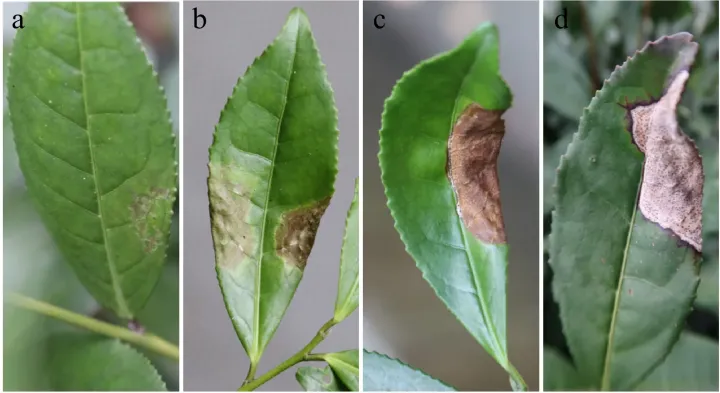
Symptoms typically begin as small, irregular spots on the tea leaves. Initially, these spots may appear yellowish or light brown, gradually turning dark brown or black as the necrosis progresses across the leaf blade.
A distinctive feature of this blight is the presence of small black fruiting bodies, known as acervuli or pycnidia, scattered across the necrotic areas. These structures produce mass amounts of conidia, which are often visible to the naked eye.
In cases of severe infection, leaves become chlorotic, wither, and drop prematurely, leading to significant defoliation of the tea bush. This defoliation reduces the photosynthetic area, which is vital for the plant's metabolic health.
The fungus also infects the young succulent shoots, resulting in elongated, sunken lesions or cankers. These cankers can girdle the stem, causing the upper portion of the branch to wilt and die back completely.
Under humid conditions, a sparse mycelial mat may cover the lesions. As the infection ages, the damaged tissue may dry out and crack, giving the leaves a ragged and perforated appearance, which severely compromises the harvest quality.
Pathogen
The causative agent of this disease is the fungus Gloeosporium theae-sinensis (also known as Colletotrichum theae-sinensis). This pathogen is a significant fungal parasite that affects the foliage and young stems of tea plants (Camellia sinensis).
The fungus survives the off-season within infected plant debris and on the woody parts of the tea bush. When conditions become favorable, the pathogen produces conidia, which act as the primary inocula for new infections during the growing season.
The pathogen enters the plant tissues through natural openings like stomata or through mechanical injuries. Once inside, the mycelium spreads within the intercellular spaces, eventually causing localized cell death and the formation of characteristic necrotic lesions.
The life cycle of the pathogen is heavily dependent on moisture levels. High humidity and rainfall facilitate the dispersal of spores from one part of the plant to another, leading to rapid disease development within a tea plantation.
As an ascomycete fungus, Gloeosporium theae-sinensis has evolved to thrive in environments where tea cultivation is common. Understanding its biological cycle is essential for timely intervention and preventing mass outbreaks in sensitive tea gardens.
Conditions for development
Fungal development is highly favored by environments with high rainfall, persistent fog, and temperatures ranging from +20°C to +25°C. These conditions provide the necessary moisture for the rapid germination of conidia.
Plantations with dense planting patterns or improper pruning practices are particularly susceptible. Poor airflow within the tea bushes creates a microclimate with stagnant humidity, which acts as a catalyst for the fungus to spread.
Water-logged soils and excessive shading can weaken the plant's natural immune system, making it more vulnerable to infection. Healthy plants generally have a better capacity to withstand minor infestations compared to those experiencing nutrient stress.
The dispersal of the pathogen primarily occurs through rain splashes, wind, and contaminated tools. Even insects visiting the plants can act as mechanical vectors, transporting spores from diseased bushes to healthy ones.
Prolonged wet seasons are critical periods for monitoring. If the canopy remains wet for extended periods, the risk of a widespread epidemic increases, requiring immediate action to safeguard the tea yield.
Why it matters
The primary economic harm is the degradation of tea quality. Leaves infected with Gloeosporium theae-sinensis lose the biochemical integrity required for proper processing, resulting in a low-grade tea product.
The reduction in leaf area and the dieback of branches lead to significant yield losses. The cumulative effect of repeated infections is the depletion of the tea bush's energy reserves, causing reduced vegetative growth and productivity.
Plants affected by the blight show lower resistance to external stressors, including cold winters. This vulnerability leads to further plant mortality and the need for costly replanting of infected sections within the plantation.
Operating costs increase due to the necessity of intensive management, including fungicide applications, specialized pruning, and labor for sorting out damaged leaves during the harvesting process.
Presence of the disease on a plantation acts as a constant threat to export capabilities. Many regions impose strict sanitary regulations to prevent the spread of fungal pathogens, forcing farmers to bear the burden of rigorous control programs.
Protection
Integrated pest management (IPM) is the most effective approach. This includes improving air circulation within the canopy through proper pruning and training methods, which helps the leaves dry out faster after rain.
Sanitation is paramount: all infected plant material, especially pruned branches with cankers, should be removed and destroyed to reduce the primary inoculum load for the next season.
Chemical control involving copper-based fungicides or systemic chemical treatments can be effective. These should be applied during the early stages of disease development, strictly adhering to the harvest withholding period.
Maintaining plant vigor through balanced fertilization, particularly with adequate potassium and phosphorus, helps the bushes mount a better defense against fungal attacks. Excessive nitrogen fertilization should be avoided as it promotes susceptible, succulent growth.
- Use of certified, disease-resistant tea cultivars.
- Regular disinfection of pruning tools to prevent mechanical transmission.
- Frequent field inspections to identify and isolate early infection sites.
Discussion
No discussions yet — be the first.