
Gloeosporiosis
Gloeosporium pestis
Description
Symptoms
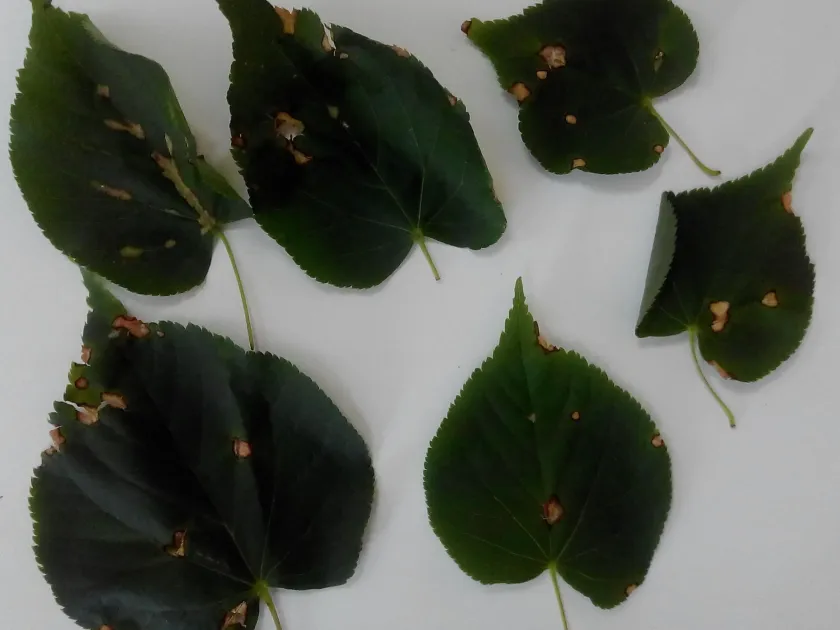
The most distinct symptoms include localized necrotic spots on leaves, shoots, and fruits. These lesions are generally circular or irregular in shape and vary from light tan to dark brown, often surrounded by a dark border.
As the disease progresses, acervuli (small fruiting bodies) develop in the center of the spots. Under high humidity, these structures release masses of spores, appearing as small, creamy, or pinkish pustules on the surface of the lesions.
On woody branches, gloeosporiosis causes the formation of cankers or deep cracks in the bark. This structural damage can lead to the wilting and eventual dieback of entire twigs or small branches.
In fruit-bearing crops, the disease is frequently identified as bitter rot. Infected fruits show sunken, dark spots, and the internal flesh turns soft and bitter, rendering the harvest completely inedible.
- Circular necrotic spots with dark margins
- Pink or white spore masses on lesion surfaces
- Bark cracking and deep branch cankers
- Rapid fruit rotting (bitter rot)
Pathogen
The causative agent of gloeosporiosis is a fungus of the Gloeosporium genus, specifically Gloeosporium pestis (often associated with Colletotrichum species complex). This pathogen is a facultative parasite that attacks various fruit and ornamental plants.
The fungus survives the winter as mycelium within infected twigs, bark, and fallen plant debris. With the onset of spring and rising temperatures, the pathogen produces conidia, which serve as the primary source of infection for new growth.
The life cycle is closely linked to environmental moisture. The fungus utilizes wind, rain splashes, and insects to disperse its spores to healthy parts of the plant, where they initiate new infection sites upon contact.
Penetration typically occurs through natural openings like stomata or physical wounds on the surface of the plant tissue. Once inside, the fungus grows intercellularly, secreting enzymes that break down plant cell walls.
The biological success of Gloeosporium lies in its ability to persist in a latent state, waiting for the plant's physiological stress or the arrival of favorable environmental conditions to cause symptomatic disease outbreaks.
Conditions for development
The development of gloeosporiosis is heavily dependent on wet conditions. Temperatures ranging from 18°C to 25°C combined with high humidity are optimal for spore germination and colonization of plant tissues.
Extended periods of rain or fog facilitate the spread of the pathogen. Wet surfaces are essential for the spores to germinate and penetrate the host tissue, making rainy seasons critical for disease progression.
Poor orchard sanitation, such as failing to remove infected material, provides a constant reservoir for the fungus. Crowded planting schemes also reduce air circulation, maintaining a humid microclimate that favors fungal growth.
Plants weakened by environmental stressors, such as frost injury or drought, are more susceptible to infection. Furthermore, an imbalance in nutrients, particularly excessive nitrogen, promotes lush, vulnerable tissue growth.
Physical injuries caused by pruning tools or hail serve as entry points for the pathogen. Failure to disinfect pruning equipment can inadvertently spread the fungus throughout the orchard or field.
Why it matters
The primary impact of gloeosporiosis is the loss of photosynthetic leaf area, which reduces the plant's overall energy production. Persistent infection leads to premature leaf drop and cumulative weakness of the plant.
Damage to the woody parts of trees disrupts nutrient and water transport. If left untreated, severe cases can lead to the total dieback of productive branches, significantly lowering the overall yield of the crop.
Economic losses are particularly high during the post-harvest stage. Because the fungus can remain latent in fruits, it often manifests as extensive rotting during storage and transport, leading to high rejection rates.
In addition to yield loss, the cost of frequent fungicide applications adds to the financial burden of production. Producers must balance the need for chemical control with the limitations imposed by market regulations.
Long-term infestation can eventually lead to the decline of entire plantations, forcing growers to remove unproductive trees and undergo the costly process of replanting and waiting for maturity.
Protection
Integrated pest management is the most effective approach. Sanitation is paramount: all dead wood, infected twigs, and mummified fruits should be removed and destroyed to minimize the primary inoculum.
Proper agricultural practices include maintaining wide spacing between plants and regular pruning to improve airflow. A dry, well-ventilated canopy is significantly less prone to fungal establishment.
Copper-based fungicides are standard for prophylactic control, particularly during the early spring and before periods of anticipated heavy rainfall. Proper timing of these applications is critical for success.
Balanced fertilization with appropriate levels of potassium and phosphorus helps strengthen the plant's cuticle and overall defenses, making it more resilient against fungal penetration and colonization.
Regular field scouting allows for early detection of symptomatic tissue. By identifying and treating infected spots quickly, growers can prevent the disease from spreading throughout the canopy or during the fruit development stage.
Discussion
No discussions yet — be the first.