
Gautieria
Gautieria
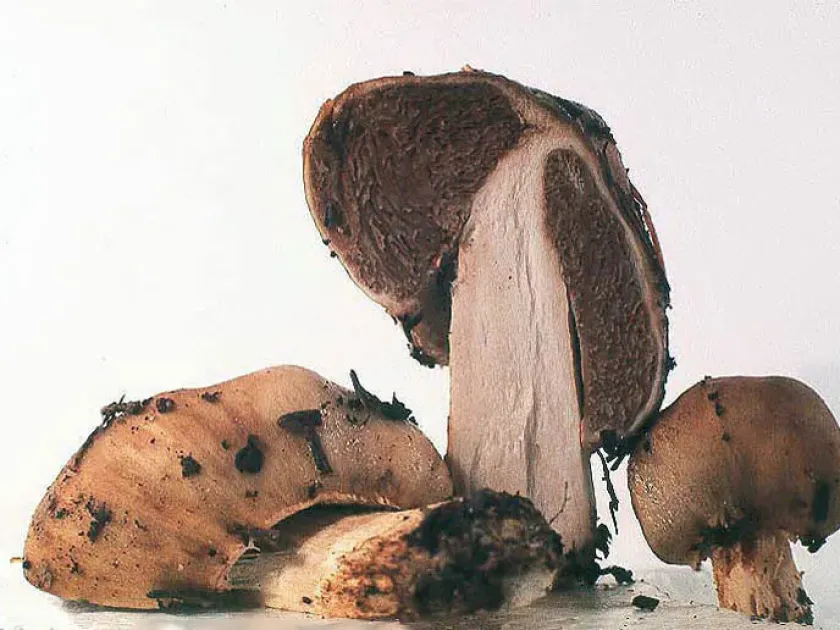
Description
Pathogen
The genus Gautieria belongs to the order Gomphales and includes fungi that are primarily recognized as hypogeous basidiomycetes inhabiting the soil environment.
In agronomy, these fungi are rarely considered primary pathogens, as they often function as mycorrhizal symbionts associated with forest trees.
The biological cycle of Gautieria involves the production of underground fruit bodies, with spores spreading through soil water and animal activity.
While not a major agricultural pest, its ability to colonize the rhizosphere can lead to complex interactions with the root systems of various woody plants.
Molecular analysis confirms that these organisms are widespread, but their pathogenic impact is typically restricted to specific ecological conditions where tree vigor is already compromised.
Conditions for development
Gautieria development is strictly dependent on high soil moisture and an abundance of decomposing organic matter in the soil profile.
Optimal temperatures for mycelial activity range from +12°C to +20°C, often coinciding with moderate rainfall periods in spring and autumn.
The fungus thrives in acidic, well-aerated soils rich in humus, which provides the necessary carbon source for its subterranean growth.
Soil compaction and poor drainage are significant factors that promote the proliferation of these fungi, creating stagnant microclimates around roots.
Conversely, drought conditions inhibit the growth of Gautieria, forcing the fungus to remain in a dormant state until moisture levels recover.
Why it matters
The direct damage caused by Gautieria is generally minimal because it acts more as a soil dweller than an aggressive plant parasite.
In cases of high colonization, the mycelial mat can physically impede water and nutrient uptake by creating a barrier around the delicate root hairs.
This can result in decreased vitality in saplings and ornamental plants, manifesting as stunted growth and slight chlorosis during the growing season.
Secondary risks arise when the fungus colonizes compromised root tissues, potentially inviting opportunistic pathogens to infect the weakened host.
Economic losses are limited and usually associated with nurseries that fail to manage soil moisture levels appropriately during the propagation phase.
Protection
Management strategies focus on maintaining optimal soil moisture and preventing waterlogging through adequate drainage systems.
Regular cultivation and aeration of the soil surface are essential to discourage the establishment of subterranean fungal communities.
Applying balanced fertilizers strengthens the plant host's resistance, allowing it to better regulate its interaction with native soil mycota.
In extreme cases, fungicides specifically targeting basidiomycetes may be applied to the soil, though this is rarely necessary in standard agronomic practice.
- Improve drainage to prevent stagnant water in the rhizosphere.
- Monitor root health in nursery stock periodically.
- Avoid over-mulching with organic matter that retains excessive humidity.
Discussion
No discussions yet — be the first.