
Gastrosporium
Gastrosporium
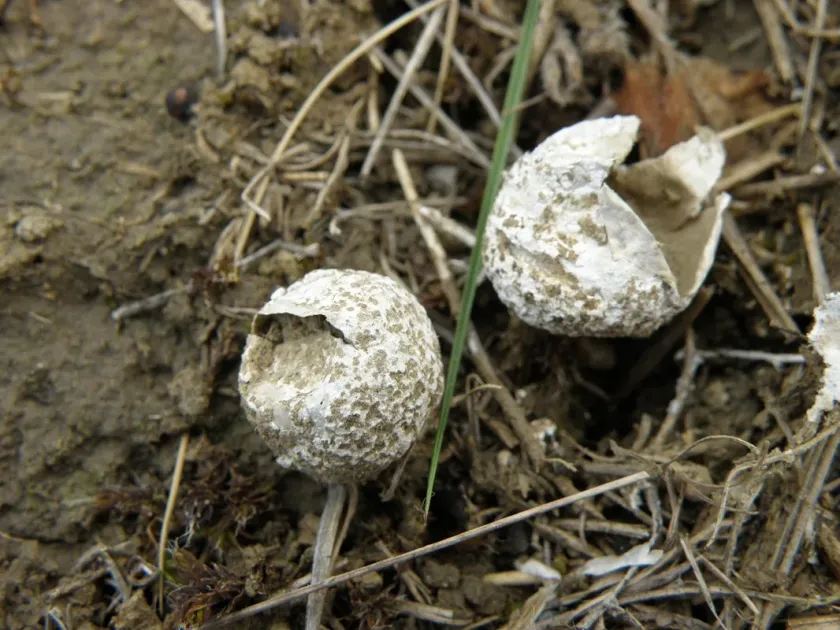
Description
Symptoms
The most distinctive symptom of infection is the severe deformation of the plant's reproductive structures, such as heads or panicles.
Infected organs become filled with a powdery mass of dark spores, which eventually ruptures the host's tissue membranes and releases the pathogen into the environment.
Plants affected by the disease often exhibit stunted growth and an overall weakened appearance compared to healthy plants in the same field.
In many cases, the affected spikes fail to emerge fully from the leaf sheath, remaining twisted or trapped, which clearly indicates a systemic infection.
The presence of spore masses is the primary diagnostic feature during the heading and maturation phases of the cereal crop.
Pathogen
The disease is caused by the fungus Gastrosporium, which belongs to the basidiomycetes group, known for causing various types of smut diseases in cereal crops.
The fungus develops internally within the host plant, gradually colonizing the reproductive organs and replacing healthy plant tissues with masses of fungal spores.
The teliospores of this pathogen are exceptionally resilient, capable of surviving in the soil or on crop debris for extended periods until the next season.
The infection cycle is closely synchronized with the growth stages of the host plant, with primary infection often occurring during seed germination.
Biological specialization of the genus Gastrosporium limits its host range to specific grass and cereal species, which is a critical factor for agricultural planning.
Conditions for development
The development of Gastrosporium is highly dependent on environmental conditions, particularly soil temperature and moisture levels during germination.
Cool and damp soil conditions are generally most favorable for spore germination and the successful penetration of the fungus into the seedling.
High-density planting that restricts airflow increases humidity within the canopy, providing an ideal environment for the rapid spread of the pathogen.
The presence of infected plant residue in the topsoil acts as the primary reservoir, facilitating reinfection in subsequent agricultural cycles.
Excessive use of nitrogen-rich fertilizers can weaken the plant's natural defense mechanisms, making it more susceptible to infection by the fungus.
Why it matters
The primary economic impact of this disease is the direct loss of grain yield, as the reproductive organs are destroyed and replaced by spores.
Infected crops are generally unsuitable for food or feed production due to the contamination of the grain with pathogen spores and reduced nutritional value.
The accumulation of spores in the soil leads to long-term contamination of the field, increasing the risk of future crop failures if preventative measures are neglected.
Increased operational costs arise from the need for fungicide treatments and stringent cleaning protocols for machinery and seed storage facilities.
Overall farm profitability is negatively affected by the disease due to both reduced yield quantities and the degradation of grain quality.
Protection
Effective management begins with crop rotation, ensuring that susceptible cereals are not planted in the same field for several consecutive years.
The use of certified, clean, and disease-free seeds is the most effective preventative measure against the introduction of the pathogen into new areas.
Seed treatment with systemic fungicides is crucial to protect seedlings during their most vulnerable stage of development in the soil.
Deep plowing of the field serves to bury infected plant residues, significantly reducing the density of inoculum available for future infection.
- rigorous weed control to eliminate alternative hosts;
- optimization of sowing dates to avoid favorable conditions for the fungus;
- balanced nutrient management to boost plant health;
- regular field scouting to identify and manage outbreaks early.
Discussion
No discussions yet — be the first.