
Galerina fasciculata
Galerina fasciculata
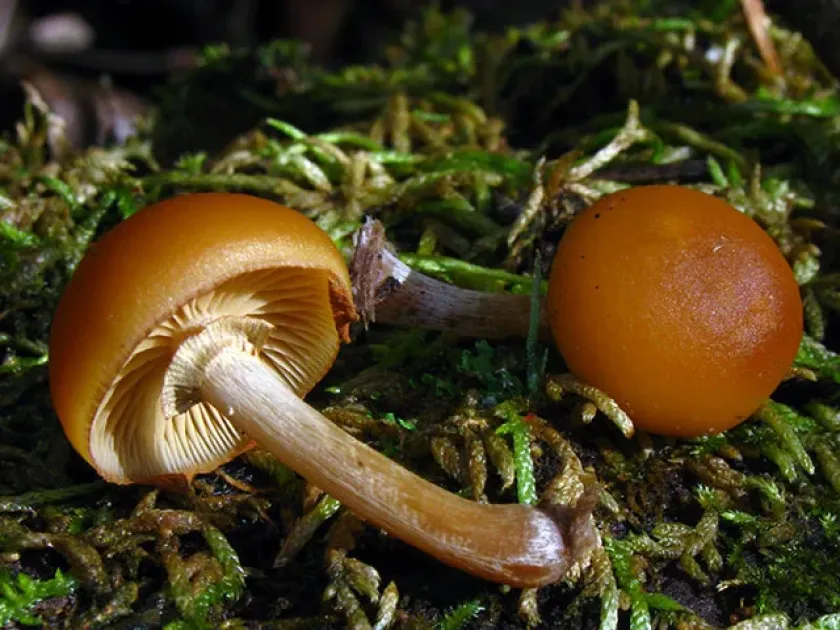
Description
Pathogen
Galerina fasciculata is a basidiomycete fungus within the Hymenogastraceae family. It is predominantly a saprotrophic organism, though it can exhibit parasitic traits under specific environmental stress conditions for the host plant.
The pathogen reproduces via spores produced in small, clustered fruiting bodies, which are characteristic of this species. These spores are dispersed by wind and water, landing on susceptible sites such as wounds or exposed wood.
Upon germination, the fungal mycelium penetrates the host tissues, secreting enzymes that decompose cellulose and lignin. This breakdown process allows the fungus to gain nutrients and expand deeper into the plant's structural layers.
Biologically, the fungus is capable of persisting in the environment for extended periods as spores or dormant mycelial mats until optimal conditions for fruiting occur.
Microscopic identification of the fungus involves examining the morphology of basidia and the specific cellular structure of the gills on the fruiting bodies, which helps researchers differentiate it from other related species.
Conditions for development
The development of Galerina fasciculata is heavily dependent on the presence of high moisture levels. It thrives in humid environments, particularly in areas with poor drainage or high ambient humidity.
Open wounds on a tree's trunk or major branches, resulting from physical damage or pruning, serve as the primary entry points for the fungus. Without these entry points, successful colonization of healthy tissue is much more difficult.
Temperature plays a crucial role in mycelial growth, with the fungus showing optimal activity between +15 and +22 degrees Celsius. Extreme temperatures may trigger the formation of resilient structures or force the fungus into a dormant state.
Poor aeration and dense plant spacing create a microclimate that prevents the rapid drying of wood surfaces, thereby facilitating the establishment of fungal spores.
Host susceptibility is a key factor; trees that are already weakened by environmental stress, soil compaction, or pests are significantly more prone to rapid infection by this pathogen.
Why it matters
The primary damage caused by Galerina fasciculata is the destruction of wood structure, which leads to various types of rot. This decay severely compromises the structural integrity of the tree, significantly increasing the risk of breakage or windthrow.
As the internal structure of the tree is degraded, the transport of water and nutrients is impeded. This results in weakened foliage, premature leaf drop, and the eventual dieback of entire branches or the whole tree.
In forest management and urban landscaping, the presence of this fungus necessitates the removal of affected trees, as they pose a safety risk to surrounding infrastructure and people.
The aesthetic decline caused by the presence of numerous fungal clusters can also have a negative impact on the visual appeal of parks, gardens, and botanical reserves.
- Structural decay of the tree trunk and roots.
- Impaired nutrient and water transport.
- Increased risk of tree failure and limb loss.
- Loss of wood quality and economic value.
Protection
Management begins with strict sanitation practices, including the prompt removal and disposal of infected wood to reduce the local spore load in the environment.
Pruning should be performed using sharp, disinfected tools. All significant wounds should be sealed with appropriate wound dressings or copper-based fungicides to block fungal access.
Improving tree health through proper fertilization, irrigation, and soil aeration is essential for building natural resilience. A healthy tree can better defend itself against fungal encroachment.
Where necessary, targeted application of systemic fungicides can help control the spread of the pathogen, provided the treatments are applied during favorable weather conditions.
Monitoring programs are critical for the early detection of fruiting bodies, allowing arborists to intervene before the fungus causes deep-seated internal damage to the host.
Discussion
No discussions yet — be the first.