
Fusicolla root rot of sugar beet
Fusicolla betae
Description
Symptoms
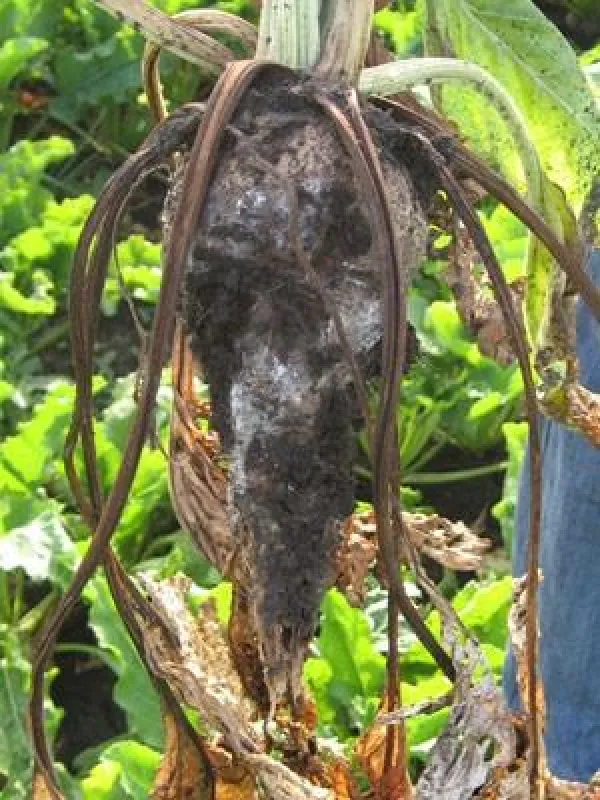
Initial symptoms are often observed as discolored, water-soaked patches on the root surface. Over time, these lesions darken into brown or necrotic areas, leading to internal tissue softening and structural collapse of the beet root.
A distinctive feature of the infection is the development of fungal growth on the root surface, usually appearing as a whitish or light-pink mass of mycelium. As the disease progresses, the central part of the root may become entirely decayed and spongy.
Pathogen
The disease is caused by the fungus Fusicolla betae (formerly categorized within the Fusarium genus). This soil-borne pathogen thrives in organic debris, functioning as a facultative parasite capable of surviving in the soil for several years.
The fungus maintains its presence in the field through resilient structures such as chlamydospores. Once the host plant encounters stress or physical damage, the pathogen colonizes the root tissue, initiating a degenerative decay process.
Conditions for development
Development is heavily dependent on soil moisture levels and temperature. Prolonged rainy weather, resulting in waterlogged soils and reduced soil aeration, provides the ideal environment for the rapid colonization of root tissues.
Physical injuries to the root system act as critical entry points for the pathogen. Common causes include damage during weeding, cultivation, or infestation by soil insects such as wireworms, which compromise the plant's natural defense barriers.
Why it matters
The economic impact of Fusicolla root rot is severe, as it causes reduced plant population density and lower yield potential. Infected roots are prone to rapid rot during storage, potentially affecting the entire batch if moisture control is not managed.
Quality degradation is a major concern, as the disease significantly reduces sugar content and purity. The presence of decayed material interferes with industrial processing, causing complications in juice purification and crystallization at the refinery.
Protection
Effective management requires a rigorous crop rotation plan, ensuring that susceptible crops like sugar beets do not return to the same plot for at least four years. Deep plowing helps bury crop residues, reducing the primary inoculum source.
- Using certified, high-quality, fungicide-treated seeds.
- Maintaining proper soil pH and nutrient balance.
- Minimizing physical damage to plants during cultivation.
- Removing and destroying infected root debris from the field.
Discussion
No discussions yet — be the first.