
Fusarium head blight
Fusarium heterosporum
Description
Symptoms
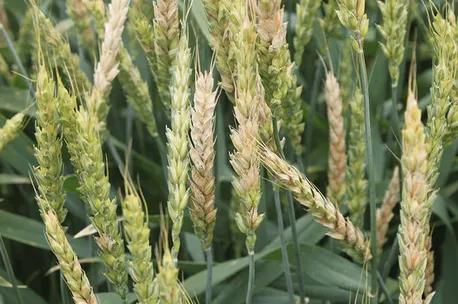
The most characteristic sign is the appearance of a pinkish, white, or orange fungal growth on the glumes and spikelets as the crop matures.
Infected heads often exhibit premature bleaching, standing out against the healthier green parts of the field, which is frequently mistaken for early ripening.
Grain inspection usually reveals shriveled, deformed seeds covered in a dull, powdery layer of fungal spores, which significantly reduces the quality of the harvest.
Depending on the timing of the infection, the entire head may become blighted, or the disease might be localized to specific spikelets, leading to uneven crop development.
Under high humidity, the fungal mycelium can become quite dense and velvety, effectively covering the entire surface of the infected plant parts.
Pathogen
The causative agent of this disease is the fungus Fusarium heterosporum, which belongs to the class of Hyphomycetes. This pathogen is known for its high persistence in soil and crop debris, allowing it to survive through harsh winters.
The life cycle of the pathogen is closely tied to the flowering period of cereal crops, when fungal spores land on the wheat or barley heads, initiating the infection process.
The fungus produces significant amounts of mycotoxins that accumulate within the grains, posing severe health risks for both human consumption and livestock feeding.
Dissemination primarily occurs through conidia, which are efficiently spread by wind currents, splashing rain droplets, and various insects that visit the inflorescences.
Fusarium heterosporum is a highly adaptable pathogen capable of colonizing various tissues within the head, leading to significant disruption of plant developmental processes.
Conditions for development
High relative humidity and frequent rainfall during the critical stages of head emergence and flowering are the primary factors driving the spread of the disease.
Optimal temperatures for the growth of Fusarium heterosporum typically range from 20 to 25 degrees Celsius, though the pathogen can infect plants at lower temperatures.
Cropping patterns that involve continuous planting of susceptible cereals without proper rotation create a reservoir for the pathogen to thrive in the soil.
Large amounts of untreated crop residues left on the soil surface provide the perfect substrate for the fungus to persist and multiply over multiple seasons.
Poor soil aeration and dense crop canopies can further exacerbate the disease by maintaining high micro-climate humidity levels around the heads.
Why it matters
The primary economic harm results from yield loss due to reduced grain weight, poor filling, and the overall degradation of grain quality.
The accumulation of harmful mycotoxins renders the harvest unsuitable for milling or feeding, leading to total rejection of the crop by market standards.
Reduced germination rates in infected seeds require more resources and higher seed rates for the following season, adding to the total cost of production.
Weakened plants are significantly more susceptible to secondary infections and opportunistic pathogens, further reducing the overall crop health.
Farmers face substantial financial losses from both decreased yield quantity and the increased costs associated with cleaning and disposing of contaminated grain.
Protection
Implementing a proper crop rotation system is the foundation for reducing the inoculum levels of Fusarium heterosporum in the field environment.
Deep plowing or effective incorporation of crop residues into the soil helps accelerate the decomposition process, thereby limiting the fungal survival.
Strategic application of fungicides during the flowering phase is the most critical intervention to prevent the pathogen from penetrating the developing heads.
Choosing resistant or tolerant cultivars is a long-term management strategy that helps maintain stable yields even in years with high infection pressure.
- Use of certified, treated seeds to ensure a healthy start to the season.
- Effective weed control to eliminate alternative hosts for the pathogen.
- Balanced fertilization, avoiding excessive nitrogen that can promote lush but susceptible foliage.
Discussion
No discussions yet — be the first.