
Fusarium rot
Fusarium bostrycoides
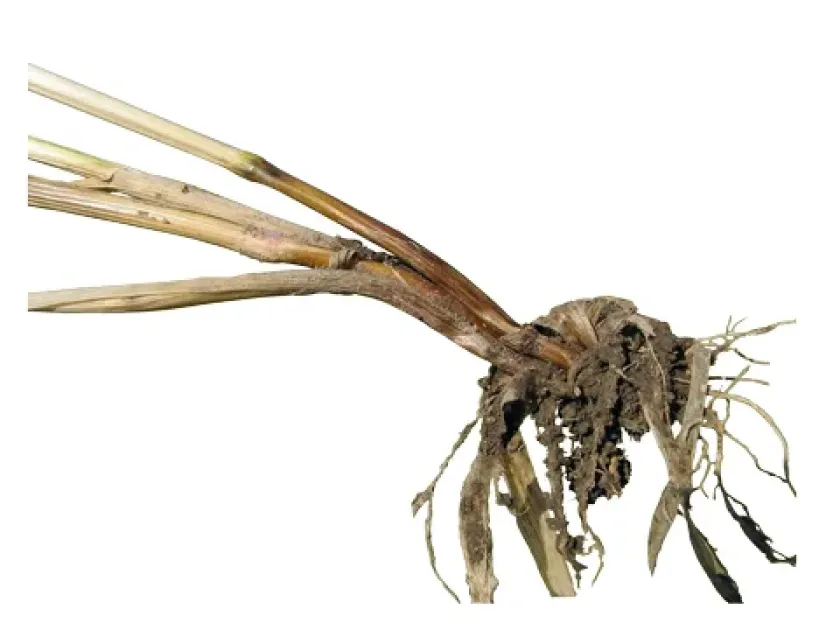
Description
Symptoms
Initial symptoms include chlorosis and wilting of the lower leaves, which progress upward as the disease advances. The foliage eventually turns brown and becomes necrotic.
A cross-section of the stem or root crown reveals distinct browning of the vascular tissues. In high humidity, a characteristic white or pinkish fungal mycelium may appear on the surface of the infected areas.
The root system becomes soft, discolored, and ultimately decays, which causes the plants to become easily uprooted. Stunting is a common feature in affected fields.
Symptoms are most visible during the flowering or fruiting stages when the plant demands peak nutrient transport. Fruits may become deformed or drop prematurely.
- Yellowing of leaves (chlorosis).
- Vascular browning within the stem.
- Root rot and crown decay.
- White or pink mycelial growth.
- Premature wilting and plant stunting.
Pathogen
The causative agent of the disease is the soil-borne microfungus Fusarium bostrycoides, which belongs to the Ascomycota division. It is highly persistent in soil due to the formation of chlamydospores.
This fungus is characterized by rapid mycelial growth and the synthesis of harmful mycotoxins within plant tissues. It frequently appears in association with other Fusarium species, exacerbating its pathogenic impact.
The fungus survives primarily in the form of conidia and dormant mycelium on crop residues. It can remain viable in the soil for several years under adverse conditions.
Pathogen entry typically occurs through root systems or physical wounds on the stem. Once inside, it colonizes the vascular system, effectively blocking the transport of water and nutrients.
The biological adaptability of Fusarium bostrycoides allows it to thrive in diverse soil types, making it a persistent threat to a wide variety of agricultural crops globally.
Conditions for development
Development is favored by high soil moisture levels (exceeding 70-80%) and moderate temperatures ranging from +20°C to +28°C. Frequent rainfall events promote spore dispersal.
Dense planting patterns reduce airflow and create a microclimate that accelerates fungal germination. Soil acidity (low pH) is often linked to higher incidences of Fusarium infections.
Physical root damage caused by cultivation or soil-dwelling pests provides entry points for the pathogen. Nutrient imbalances, particularly deficiencies in essential micronutrients, lower plant resistance.
The accumulation of fresh crop debris provides a nutrient-rich substrate for the fungus to multiply. Poor drainage in fields creates waterlogged conditions that are highly conducive to the spread of the disease.
Continuous cropping of susceptible varieties facilitates the buildup of pathogen inoculum in the soil over time.
Why it matters
Fusarium rot significantly reduces crop yields by causing plant death and hindering the development of healthy fruit. Severe infections can lead to total crop failure in affected areas.
The mycotoxins produced by the fungus can contaminate seeds and fruits, rendering them unfit for human or animal consumption due to health risks.
The disease impairs critical plant functions, including photosynthesis and nutrient uptake. This results in weakened plants that are more susceptible to secondary stressors.
Infection is difficult to eradicate once established in the soil, affecting long-term land productivity. Economic losses arise from yield reduction and the cost of preventative treatments.
Field-level losses often occur in patches, leading to uneven maturation and complicating mechanical harvesting processes.
Protection
Implementing a proper crop rotation strategy is the most effective way to break the pathogen's life cycle. Avoiding susceptible crops for 4-5 years helps reduce soil inoculum.
Using high-quality, fungicide-treated seeds is essential for early-stage protection. Planting resistant or tolerant cultivars is the best long-term management strategy.
Agronomic practices should include deep plowing to bury crop residues and ensuring excellent field drainage. Soil pH management through liming can also limit pathogen activity.
Systemic fungicides are recommended when early symptoms are detected to protect the rest of the crop. Chemical treatments should be part of an integrated pest management plan.
Biological control agents, such as Trichoderma species, have shown success in suppressing Fusarium populations in the soil and enhancing overall plant health.
Discussion
No discussions yet — be the first.