
Fusarium rot
Fusarium amplum
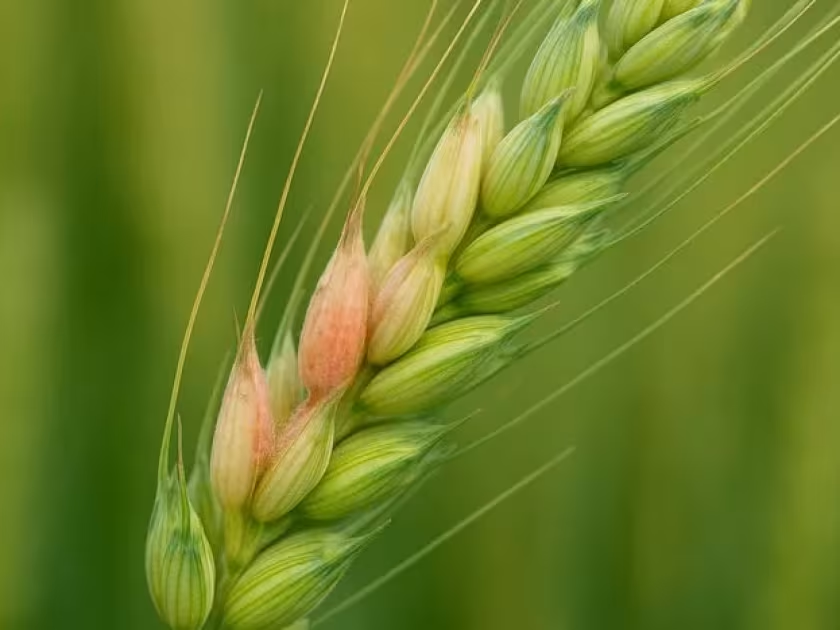
Description
Symptoms
The initial signs of Fusarium rot include yellowing of the lower leaves, which eventually progresses upward. As the disease advances, affected plants show distinct signs of wilting during peak daylight hours, even when the soil moisture levels appear sufficient.
Examination of the root system often reveals browning, decay, and a loss of healthy root hair structure. If the main stem or crown is sliced, one will observe a distinct discoloration of the vascular tissues, ranging from light brown to deep red or black streaks.
In high-humidity environments, such as greenhouses or during rainy seasons, a characteristic fungal growth, or mycelium, appears on the surface of the stem. This growth is typically white, pinkish, or yellow and indicates the active sporulation phase of the pathogen.
Infected plants usually exhibit severely stunted growth, characterized by shortened internodes and a generally weak appearance. In advanced stages, the stem may collapse at the base due to tissue rotting, leading to the total death of the crop.
Diagnosis in the field is confirmed by the presence of these vascular lesions, while laboratory confirmation relies on the analysis of macroconidia characteristics under a microscope, which helps distinguish Fusarium amplum from other Fusarium species.
Pathogen
The causal agent of this disease is the microscopic fungus Fusarium amplum, a member of the Fusarium genus. This soil-borne pathogen is known for its ability to persist in the environment for years by forming resilient chlamydospores within plant debris or soil particles.
Fusarium amplum acts as a highly aggressive parasite, infecting plants primarily through the root system or natural openings like stomata and wounds. Once inside, the fungal mycelium colonizes the vascular tissues, effectively cutting off the flow of nutrients and moisture.
The biology of the fungus is characterized by the secretion of complex mycotoxins, which damage the internal tissues of the host plant. These toxins lead to a systemic wilting response, which is often the first visible indicator that the pathogen has successfully established itself.
This pathogen demonstrates remarkable environmental adaptability, thriving in a wide range of moisture and temperature conditions. Its life cycle involves the production of conidia, which can be disseminated by wind, water splashes, or contaminated agricultural equipment, creating new infection sites.
Due to its specialized ability to remain dormant within host tissues, Fusarium amplum presents a significant challenge for early identification. The fungus often remains asymptomatic during the early growth stages, making it difficult to detect until the plant starts showing signs of permanent wilting.
Conditions for development
The development of Fusarium amplum is heavily favored by warm soil temperatures, generally between 20°C and 28°C. These temperatures accelerate the metabolic rate of the fungus, leading to rapid colonization of the host's root system.
Excessive moisture in the soil, combined with poor drainage, creates a low-oxygen environment that weakens the plant's natural defenses. This makes the host significantly more susceptible to infection and creates an ideal medium for the fungus to spread.
Physical injuries to the roots, often caused by soil-dwelling insects or improper cultivation techniques, act as entry points for the pathogen. Once a wound is present, the fungus can penetrate the host tissue with much greater efficiency.
High soil acidity (low pH) is a critical environmental factor that suppresses beneficial soil microbes. When these antagonists are reduced, the Fusarium pathogen faces less competition for nutrients and space, allowing it to dominate the rhizosphere.
The pathogen spreads easily through contaminated seeds, infected nursery stock, and dirty farming tools. In greenhouse environments, the lack of adequate ventilation and high air humidity significantly increase the risk of a widespread infection within the facility.
Why it matters
The primary economic impact of Fusarium rot is a significant reduction in crop yield. Severe infestations can destroy large percentages of a field, often requiring the complete removal of crops and expensive replanting efforts to maintain productivity.
Beyond the loss of biomass, the presence of mycotoxins produced by Fusarium amplum renders the harvested product toxic. Such commodities cannot be sold for human consumption or used as livestock feed, leading to a total loss of commercial value.
The pathogen is known for its extreme persistence, as chlamydospores can remain viable in the soil for a decade or longer. This severely limits land use, forcing farmers to avoid certain crops on affected plots for long periods of time.
In addition to direct losses, the disease increases production costs due to the need for fungicides and specialized disease-management programs. These costs, combined with lower yields, can make the cultivation of susceptible crops non-profitable in endemic regions.
For greenhouse producers, the damage can be catastrophic. The pathogen can travel through shared irrigation water, affecting an entire greenhouse crop in a matter of days and causing significant financial instability for the business.
Protection
The most effective strategy for managing Fusarium rot is a strong preventive approach. This includes a strict crop rotation schedule that prevents susceptible crops from being grown on the same land for at least four to five years.
The use of certified, pathogen-free seeds that have been treated with effective systemic fungicides is essential for protection during the early establishment of the crop. This provides a critical barrier against soil-borne infection.
- Planting cultivars with genetic resistance to Fusarium.
- Proper sanitation to remove and destroy all infected plant remains.
- Disinfecting greenhouse surfaces and farming equipment.
- Balancing soil pH through regular liming to suppress pathogen activity.
- Using biological controls like Trichoderma species to boost rhizosphere health.
Biological control agents, such as beneficial fungi and bacteria, can be introduced to the soil to create a suppressive environment. These agents compete with Fusarium amplum for space and resources, effectively limiting the pathogen's ability to infect the roots.
Management also involves careful soil cultivation to avoid root injury and targeted pest control for insects that may act as vectors for the disease. Constant monitoring for the first signs of wilting is vital to quarantine and eradicate local infection clusters.
Discussion
No discussions yet — be the first.