
Ash dieback (Fraxinicola)
Fraxinicola fraxini
Description
Symptoms
The initial symptoms include the development of necrotic lesions on the bark of young shoots and branches. These lesions are typically discolored, ranging from reddish-brown to dark gray.
As the infection advances, the bark in the affected areas becomes sunken and may eventually crack. In some cases, a resinous exudate or sap flow is observed around the edges of the necrotic tissue.
Foliage symptoms manifest as premature yellowing, wilting, and curling of leaves. This discoloration is often most visible at the periphery of the crown before progressing inward.
Crown dieback is a hallmark of this disease. As the blockage of the vascular system becomes severe, entire sections of the canopy fail to leaf out in the spring, leading to skeletonization of the crown.
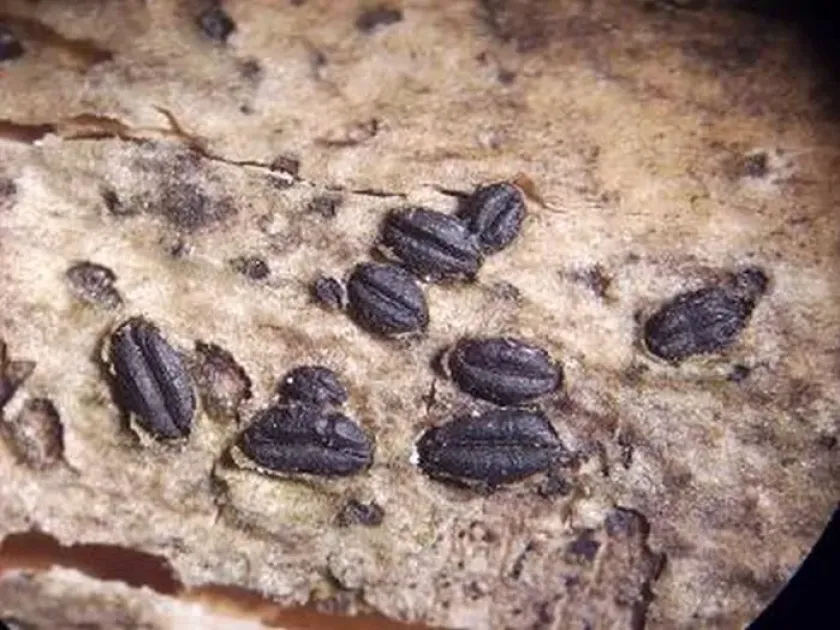
On severely affected wood, small black fruiting bodies of the fungus may emerge through the bark, indicating that the pathogen has completed its life cycle and is ready to release new spores.
Pathogen
The disease is caused by the fungus Fraxinicola fraxini, which is a highly specialized pathogen targeting members of the Fraxinus genus. This fungus primarily attacks the bark and cambial tissues of the tree.
The pathogen reproduces via spores that are dispersed by wind and rain splash. Once spores land on a susceptible tree surface, they germinate and penetrate through natural openings or physical wounds in the bark.
Inside the host, the mycelium colonizes the vascular system and phloem, disrupting the translocation of nutrients and water, which eventually leads to the starvation of distal parts of the tree.
Fraxinicola fraxini is capable of surviving for extended periods in dead wood, making contaminated plant debris a significant source of inoculum for subsequent seasons.
The pathogen's ability to remain dormant within the bark during unfavorable conditions allows it to establish a persistent presence in forest stands, causing chronic infection cycles.
Conditions for development
High humidity and prolonged periods of rainfall are the most critical environmental triggers for the spread and infection process of the disease.
The fungus thrives within a moderate temperature range, typically between 18°C and 25°C, which accelerates mycelial growth and spore production during the active growing season.
Densely planted stands or urban locations with poor air circulation create high-humidity microclimates within the tree canopy, which significantly increases the risk of infection spread.
Trees that are already under physiological stress from drought, poor soil fertility, or insect infestations are significantly more susceptible to successful colonization by the fungus.
Lack of proper sanitation, such as leaving fallen branches on the ground, allows the pathogen to multiply and increases the total spore count in the environment.
Why it matters
The primary impact of the disease is the gradual decline and eventual death of the affected trees, which can take several years of progressive crown dieback.
Structural integrity is severely compromised as necrotic lesions expand, making the trees hazardous, especially in parklands, residential areas, and along roadsides.
From an ecological perspective, the disease can cause a significant reduction in the ash population, leading to a loss of biodiversity and changes in forest composition.
In timber production, the wood of infected trees loses its market value due to internal discoloration and structural degradation caused by fungal mycelium.
The costs associated with tree removal, hazard management, and the loss of ecosystem services make this a highly destructive pathogen for both wild and urban forestry.
Protection
Effective management begins with strict sanitation: the prompt removal and destruction of infected branches to reduce the amount of inoculum present in the area.
Pruning tools must be thoroughly disinfected with alcohol or other appropriate sanitizing agents between cuts to prevent the mechanical transmission of the fungus to healthy wood.
Chemical control involving fungicides can be used for high-value ornamental trees, particularly systemic applications that protect the bark and foliage during peak infection periods.
Cultural practices such as balanced fertilization and proper irrigation help improve the tree's natural resistance, enabling it to better withstand potential pathogen attacks.
Strategic planting, including maintaining adequate spacing between trees to facilitate airflow, is essential for reducing the humidity levels that favor the development of Fraxinicola fraxini.
Discussion
No discussions yet — be the first.