
Powdery mildew of viburnum
Erysiphe viburni
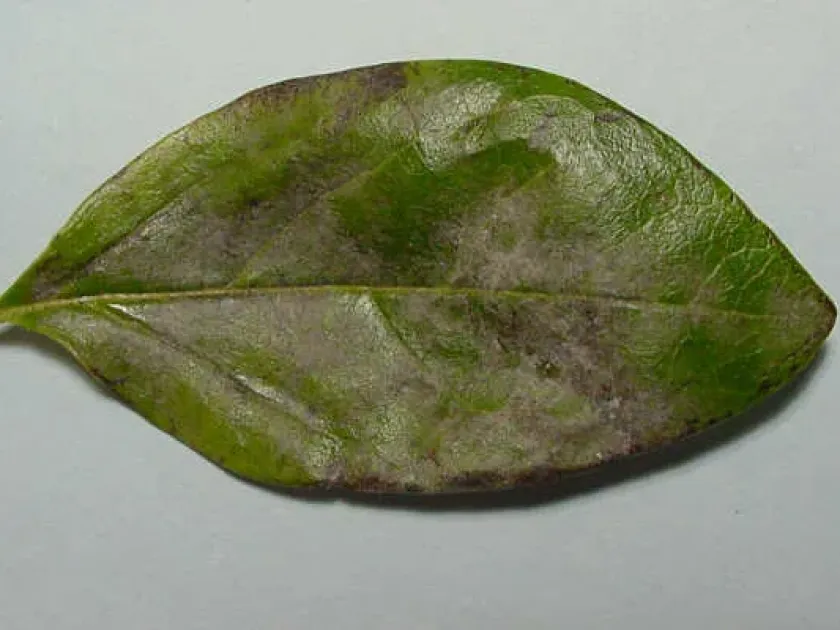
Description
Symptoms
The most visible symptom is the development of a white, powder-like fungal growth that appears as isolated patches before eventually covering the entire leaf surface.
As the infection progresses, the foliage may begin to curl, turn yellow, and eventually wither, causing the plant to lose its typical lush, green appearance.
Young shoots are particularly vulnerable; they often become stunted, distorted, and may stop growing altogether as the fungus drains their energy reserves.
By late summer, the white powdery layer may darken or show small black spots, which are the visible fruiting structures of the fungus indicating its preparation for dormancy.
If the infection reaches the flower buds, the inflorescences may fail to open correctly, resulting in poor flower quality or the complete loss of fruit production.
Pathogen
The causative agent of this disease is the fungus Erysiphe viburni, an obligate parasite that specifically infects plants of the genus Viburnum.
The fungus develops its mycelium predominantly on the surface of leaves and young shoots, forming a dense white coating that serves as the vegetative body of the pathogen.
It utilizes specialized structures known as haustoria to penetrate the host plant's epidermal cells, allowing the fungus to extract vital nutrients directly from the plant.
The pathogen overwinters in the form of cleistothecia, which are small, dark fruiting bodies found on fallen leaves, twigs, and bark, ready to release spores when conditions improve.
In spring, when warm and humid weather occurs, these spores are dispersed by wind, initiating the primary infection cycle on newly emerged leaves and shoots.
Conditions for development
Powdery mildew thrives in environments with high humidity and moderate temperatures, typically ranging between 18 and 25 degrees Celsius (65-77°F).
Poor airflow around the viburnum shrub, often caused by overly dense planting or lack of pruning, significantly increases the likelihood of a rapid disease outbreak.
Fluctuating temperatures between day and night, combined with heavy morning dew, create the perfect conditions for the rapid germination of fungal spores.
Excessive application of nitrogen-rich fertilizers encourages the growth of soft, succulent new shoots that are far more susceptible to fungal penetration.
Insufficient light levels weaken the plant’s natural defenses, making it much harder for the viburnum to resist the encroachment of the fungal mycelium.
Why it matters
The dense fungal layer blocks sunlight from reaching the leaf surface, which severely inhibits photosynthesis and reduces the plant's overall energy production.
Severe infestations cause premature leaf drop, preventing the shrub from properly accumulating energy for the upcoming winter season and reducing cold hardiness.
The plant loses its aesthetic value, appearing sickly and withered, which is a major concern for landscape gardeners and home growers focusing on ornamental shrubs.
Because the fungus steals nutrients meant for plant development, the overall vigor of the shrub declines, making it susceptible to secondary pests and drought stress.
In neglected cases, the infection can lead to the death of young branches and the gradual decline of the entire bush, eventually requiring aggressive corrective pruning.
Protection
Sanitation is the first line of defense; it is crucial to collect and remove all fallen leaves at the end of the season to eliminate the primary sources of infection.
Regular pruning to improve air circulation and sunlight penetration is an effective cultural practice to make the environment less favorable for fungal growth.
Chemical intervention with systemic fungicides, such as those containing sulfur or triazole active ingredients, can effectively curb the spread of the disease.
- Apply organic fungicides or bio-pesticides at the very first signs of white spots.
- Avoid overhead watering during humid periods to keep leaf surfaces as dry as possible.
- Balance fertilization programs, focusing on potassium to strengthen cell walls and plant immunity.
If the infection is widespread, a series of applications spaced 10-14 days apart is necessary to ensure the eradication of the fungus and protect new growth.
Discussion
No discussions yet — be the first.