
Entyloma ficariae
Entyloma ficariae
Description
Symptoms
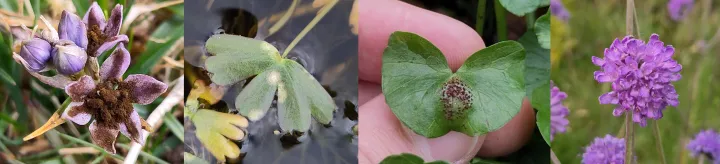
The primary symptom of an Entyloma ficariae infection is the appearance of distinct spots on the host plant's leaves. Initially, these appear as small, slightly depressed points with a pale or yellowish color.
As the pathogen develops, these spots enlarge, taking on a grayish, brownish, or whitish hue. A light halo often forms around the spots, giving the affected foliage a characteristic mottled appearance.
On the underside of the leaf, within the spot areas, one can observe a thin layer of fungal growth. This is the sporulation of the fungus, which becomes denser and darker over time as the teliospores mature.
Under high-humidity conditions, affected areas may soften and begin to rot. With severe infection, the leaves yellow rapidly, wither prematurely, and dry out, leading to the overall deformation of the plant's aerial parts.
By the end of the season, tiny black dots can be found on plant debris, representing spore clusters ready for overwintering. Infection usually begins on the lower leaves and gradually spreads upward through the plant canopy.
Pathogen
The disease is caused by the microscopic fungus Entyloma ficariae, which belongs to the smut fungi group. It is a highly specialized parasite that completes its entire life cycle on living plant tissues.
The pathogen primarily attacks members of the Ranunculaceae family, most frequently affecting the lesser celandine (Ficaria verna). The fungus acts as an obligate parasite, causing localized damage rather than systemic necrosis.
Teliospores dominate the life cycle, helping the fungus survive adverse periods. The fungus forms a mycelium that penetrates the intercellular spaces, absorbing nutrients from the host cells.
Spore dissemination occurs primarily via rain splashes, wind, and insects. Upon landing on a susceptible host, the spore germinates in the presence of free water, entering through stomata or directly through the epidermis.
The biology of Entyloma ficariae is closely linked to the plant's growth rhythm. During the dormancy period, the fungus survives as spores in the soil or on plant debris, becoming active again in early spring as temperatures rise.
Conditions for development
The development of Entyloma ficariae is favored by high humidity in both the air and the soil. Frequent spring rains, fog, and dew provide the essential conditions for rapid spore germination.
The temperature optimum for fungal growth lies within moderate ranges typical for early spring. Prolonged cool weather slows down plant growth while simultaneously promoting the spread of the infection.
Crowded plantings create a specific microclimate with poor ventilation, significantly increasing the risk of mass infection. A lack of airflow prevents moisture from evaporating from the leaf surfaces.
In areas with poor drainage, where stagnant water accumulates, the disease manifests much more aggressively. Constant leaf surface wetness is a critical factor for successful pathogen invasion.
Inoculum build-up occurs year after year in the same location if plant debris is not removed. Infected fallen leaves are the main source of primary infection when spring arrives.
Why it matters
The harmfulness of the disease lies in the premature reduction of the plant's photosynthetic activity. Loss of leaf surface area weakens the plant, preventing it from storing the nutrients required for the next season.
The infection disrupts the plant's natural developmental cycle, which is particularly dangerous for ephemeroids with a limited growth season. Weakened plants may struggle to survive dormancy and may eventually die.
The aesthetic value of ornamental plants declines sharply due to unsightly spots and overall wilting, making them unsuitable for landscaping or garden displays.
Infection creates entry points for secondary pathogens, such as various rots or other leaf-spotting fungi. The weakened immune system cannot effectively resist these opportunistic invaders.
In commercial flower production, an epiphytotic outbreak can lead to the total loss of collections. Furthermore, spreading spores through contaminated plant material often introduces the disease to previously clean areas.
Protection
The foundation of management is strict adherence to sanitary practices in the garden. In autumn, it is essential to collect and destroy all fallen leaves and plant debris where the pathogen overwinters.
Avoid over-crowding plants; provide sufficient spacing to ensure good airflow. This reduces the duration of leaf wetness and lowers the risk of spore germination.
Improve drainage in areas prone to waterlogging. Avoid overhead irrigation, as water droplets are highly efficient at splashing and spreading fungal spores.
If necessary, use systemic or contact fungicides. Treatments with copper-based products or modern systemic agents are most effective when applied at the very beginning of the season at the first signs of disease.
Always inspect new plant material for signs of infection. If an outbreak occurs, consider rotating planting locations or deeply tilling the soil to bury overwintering spores.
Discussion
No discussions yet — be the first.