
Entyloma eryngii
Entyloma eryngii
Description
Symptoms
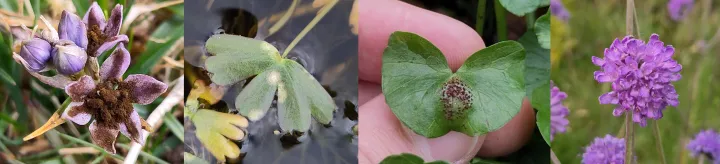
Initial symptoms are characterized by small, pale or yellowish spots on the leaf surface. As the infection develops, these spots may become darker, often showing distinct necrotic centers.
Small, inconspicuous fruiting bodies of the fungus may emerge within the spots on the leaf underside. These are usually visible only upon close inspection or with a hand lens.
Severe infestations cause the leaf spots to merge, resulting in large blighted areas. In extreme cases, the entire leaf may wilt, lose color, and eventually drop prematurely.
Leaf curling and deformation are common when the fungus attacks young, developing tissues. This ruins the structural integrity and ornamental appeal of the Eryngium plants.
The appearance of lesions is typically gradual, often starting from the base of the plant. This pattern reflects the movement of water-borne spores splashing from the soil onto the foliage.
Pathogen
The disease is caused by the fungus Entyloma eryngii, a member of the smut fungi family. It is a specialized pathogen that primarily infects plants within the Apiaceae family, particularly the genus Eryngium.
The fungus functions as an endophyte, colonizing the host's leaf tissues. It thrives by extracting nutrients from living cells, leading to localized tissue damage and the eventual formation of visible lesions.
Its life cycle involves the production of teliospores, which act as the primary survival mechanism. These spores remain viable in plant debris during winter, serving as the source of new infections in the spring.
As an obligate or semi-obligate parasite, the pathogen is highly dependent on the host's physiological state. Stressed or overcrowded plants often show significantly higher susceptibility to colonization.
The biology of the fungus is characterized by its reliance on specific microclimatic conditions. Disruption of this cycle through rigorous hygiene is the most effective way to prevent widespread outbreaks.
Conditions for development
High humidity and moisture are the primary drivers for the development of Entyloma eryngii. Prolonged rainfall or excessive overhead irrigation provides the necessary conditions for spore germination.
Temperatures ranging from +18°C to +24°C are ideal for the rapid growth of the fungus. During warm and rainy summer spells, the speed of infection can increase exponentially.
Poor ventilation within plant clumps creates a humid microclimate that favors fungal activity. Dense planting significantly prevents the leaves from drying out quickly after rain or dew.
Lack of direct sunlight exacerbates the problem by keeping the foliage damp for longer periods. Shaded areas in a garden are often the first to show signs of fungal presence.
Splashing water from heavy rain or poorly aimed sprinklers effectively transports spores from contaminated soil to healthy leaves, facilitating the rapid spread of the pathogen.
Why it matters
The primary harm is the significant reduction in the ornamental value of Eryngium. The foliage becomes disfigured, which is unacceptable for landscape and garden design purposes.
The reduction in healthy leaf surface area impairs the plant's photosynthetic capacity. This leads to weakened growth, reduced flowering, and overall loss of plant vigor.
Plants affected by the fungus are often more susceptible to secondary infections and environmental stresses. Winter hardiness is frequently reduced, leading to plant loss during dormancy.
The disease can quickly spread throughout a collection, causing widespread damage if left unmanaged. This poses a serious risk for nurseries and professional garden maintenance services.
Long-term soil contamination can occur, making it difficult to maintain healthy specimens in the same location. The persistent nature of the spores requires long-term soil health management.
Protection
Effective management begins with strict sanitation. Removing and disposing of all diseased foliage at the end of the season is essential to break the infection cycle.
Ensuring proper spacing between plants improves airflow and helps foliage dry quickly. This basic cultural practice is the best preventive measure against most foliar fungi.
Fungicidal treatments, particularly those containing copper or sulfur, can be used to protect healthy plants. Applications should be timed during the periods of highest infection risk.
Avoiding overhead watering is critical. Use drip irrigation or soak the base of the plant to keep the foliage dry, which denies the fungus the moisture it needs to infect.
- Prune and destroy infected leaves promptly.
- Mulch the soil to prevent spores from splashing onto leaves.
- Boost plant immunity with balanced organic fertilizers.
Discussion
No discussions yet — be the first.