
Entoloma rhodopolium
Entoloma rhodopolium
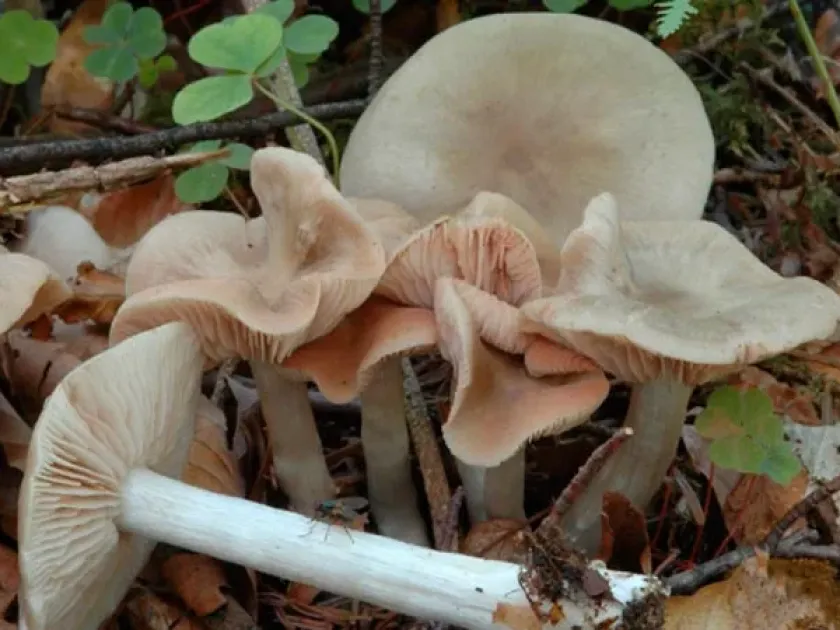
Description
Pathogen
The fungus Entoloma rhodopolium is a macrofungus belonging to the Entolomataceae family. In forestry and agriculture, it is recognized primarily as a wood-decaying organism that can adopt a parasitic lifestyle.
The pathogen spreads via mycelial growth that penetrates the woody tissues of trees. It utilizes enzymes to break down complex organic compounds like lignin, effectively weakening the structural integrity of the plant.
The fungus produces distinctive mushroom-like fruiting bodies with pinkish gills, which are often found growing at the base of trees or on decaying logs during the late summer and autumn seasons.
While often acting as a saprotroph, the fungus can behave as a facultative parasite, especially in trees already compromised by environmental stress, wounds, or structural damage.
The life cycle of the pathogen relies on spores that are dispersed by air currents, finding new hosts in damp, shaded environments or by directly invading root systems through soil contact.
Conditions for development
Entoloma rhodopolium thrives in environments characterized by high humidity and consistent moisture. Rainy weather is the primary catalyst for the development of both the mycelium and the fruiting bodies.
Poorly ventilated areas with limited sunlight provide an ideal microclimate for the fungus to establish itself. Thickly planted orchards or forest fringes are common sites of infection.
The health status of the host tree is a critical factor; trees weakened by drought, frost, or physical bark injuries are significantly more susceptible to infection than vigorous ones.
Decaying organic matter in the soil acts as a reservoir for the fungal mycelium. This serves as a launching point for the fungus to migrate into the root systems of nearby living trees.
Optimal growth temperature for the pathogen ranges between 15°C and 22°C. While extreme heat may suppress activity, the mycelium is highly resilient and can remain dormant in wood during colder periods.
Why it matters
The primary damage caused by this fungus is the development of white rot, which degrades the internal structure of the tree. This loss of structural density makes trees highly prone to windthrow.
As the fungal network spreads throughout the tree's vascular system, it disrupts the flow of water and essential nutrients, leading to progressive wilting and branch dieback.
Chronic infections significantly reduce the overall lifespan of trees. A tree infested with Entoloma rhodopolium often exhibits sparse foliage and reduced growth rates before eventually dying.
Furthermore, the weakened condition of the wood attracts secondary pests like wood-boring insects. These pests exacerbate the damage, creating a compounded threat to the tree's survival.
In managed orchards, the presence of this fungus is particularly problematic as it can lead to the loss of mature, high-yielding trees if left unmanaged over several growing seasons.
Protection
Effective management requires strict adherence to garden hygiene. Regular pruning of dead or diseased wood is essential to remove potential entry points for the fungus.
All pruning wounds and bark abrasions should be immediately sealed with professional wound paint or pruning sealants to prevent spore contamination of the inner wood tissues.
Soil management, including proper drainage and aeration, is crucial to maintaining tree vitality. Healthy trees with robust root systems are better equipped to resist fungal invasion.
Promptly identify and remove any fungal fruiting bodies found on or near trees. Burning these removed materials prevents them from releasing spores, thereby reducing the local inoculum pressure.
In cases of significant infestation, the application of copper-based fungicides to the trunk and surrounding soil may help inhibit fungal activity and prevent further spread throughout the garden.
Discussion
No discussions yet — be the first.