
Encoelia fimbriata
Encoelia fimbriata
Description
Symptoms
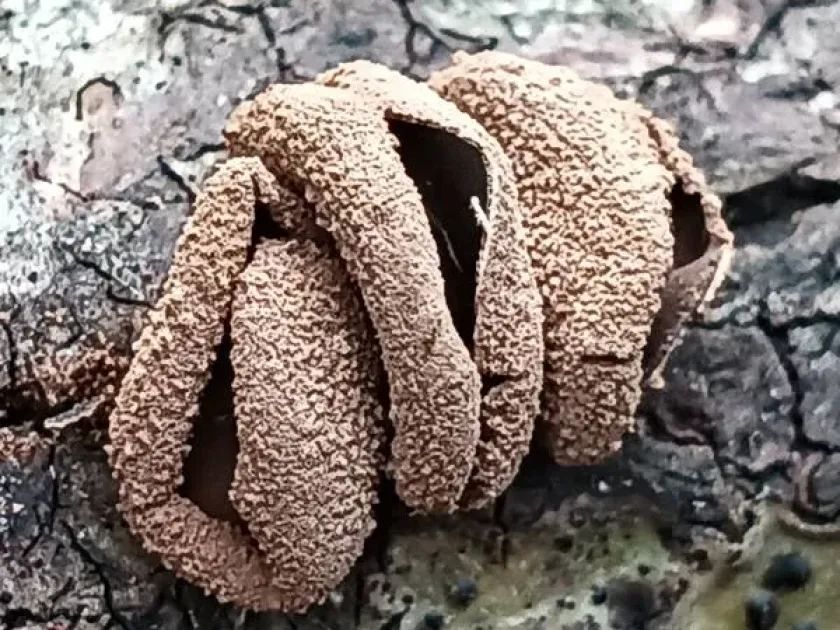
Encoelia fimbriata manifests as the appearance of small, cup-shaped fruiting bodies, known as apothecia, on the bark of infected branches or trunks. These structures are typically a few millimeters in diameter.
The appearance of these fruiting bodies is characterized by their yellowish-brown color and a distinct, fringed or ciliate margin, which is a key diagnostic feature for identification.
Infected bark usually shows signs of localized necrosis, appearing dry, brittle, or cracked. In advanced stages, the bark may begin to peel away from the wood, exposing the decaying tissue underneath.
The fungus is often found in clusters on weakened or dying wood, rather than on healthy, vigorous growth. Visual inspections often reveal the disease in areas where the tree has previously suffered damage.
As the mycelium spreads within the bark, it disrupts the tree's vascular system, leading to the gradual dieback of twigs and branches. The presence of these fungal cups is a clear indicator of long-term infection.
Pathogen
The pathogen responsible is the ascomycete fungus Encoelia fimbriata, a member of the Helotiaceae family. It primarily functions as a weak parasite or a saprotrophic organism on woody substrates.
Reproduction occurs through spores produced within the apothecia. These spores are dispersed by wind and rain, landing on fresh wounds or fissures in the bark where they germinate and initiate a new infection.
The biological cycle of the fungus is highly adaptive, allowing it to remain dormant in wood tissue during unfavorable conditions and resume growth when moisture becomes available.
Encoelia fimbriata effectively colonizes tissues that are already stressed or suffering from environmental damage. It lacks the aggressiveness of primary pathogens but thrives by utilizing the weakened defenses of the host plant.
The fungus maintains its presence in the ecosystem by surviving on deadwood and organic matter, making it a persistent component of the orchard environment if not managed properly.
Conditions for development
High humidity and consistent rainfall are the primary environmental drivers for the development of Encoelia fimbriata. Wet seasons create the necessary conditions for spore germination and fruiting body expansion.
Mechanical injuries, such as pruning wounds, storm damage, or frost cracks, provide the entry points required for the fungus to colonize the tree's internal bark layers.
Poor orchard sanitation, including the retention of dead branches or debris, increases the inoculum load in the vicinity, raising the risk of infection for surrounding trees.
Orchards with high tree density and poor air circulation maintain high humidity levels within the canopy, which prevents the bark from drying quickly after rain and fosters fungal growth.
Environmental stress, such as drought or nutritional imbalances, weakens the tree's natural defense mechanisms, making it significantly more susceptible to colonization by this opportunistic fungus.
Why it matters
The primary harm caused by Encoelia fimbriata is the progressive degradation of the bark and cambium, which interferes with the nutrient transport system of the affected branch or tree.
Severe infestations lead to the dieback of major branches, which reduces the overall photosynthetic capacity of the tree and consequently impacts fruit yield and quality.
The presence of the fungus weakens the tree's systemic health, increasing its vulnerability to other secondary pathogens and environmental stresses like winter injury.
Economically, the disease necessitates labor-intensive management practices, such as surgical removal of infected limbs and regular monitoring to prevent the further spread of the pathogen.
In neglected orchards, the spread of the fungus can lead to the loss of entire trees, representing a significant loss of capital and productivity over the lifetime of the orchard.
Protection
Effective management begins with rigorous sanitation practices. All infected, dying, or dead branches should be pruned out, ensuring clean cuts that reach healthy wood.
All pruning tools must be disinfected after use to prevent cross-contamination. Any exposed wood from pruning or natural damage should be sealed with appropriate wound dressing to block fungal entry.
Maintaining optimal tree vigor through balanced fertilization and proper irrigation helps the tree bolster its natural resistance against opportunistic pathogens like Encoelia fimbriata.
Preventative applications of copper-based fungicides during the dormant season can help reduce the spore load on the bark and inhibit the germination of any overwintering fungal structures.
- Prompt removal and destruction of all pruned infected material.
- Ensuring adequate tree spacing to promote rapid drying of bark.
- Regular inspection of trunks and major branches for early signs of lesions.
- White-washing tree trunks in late autumn to protect against sunscald and bark cracking.
Discussion
No discussions yet — be the first.