
Guava scab
Elsinoë psidii
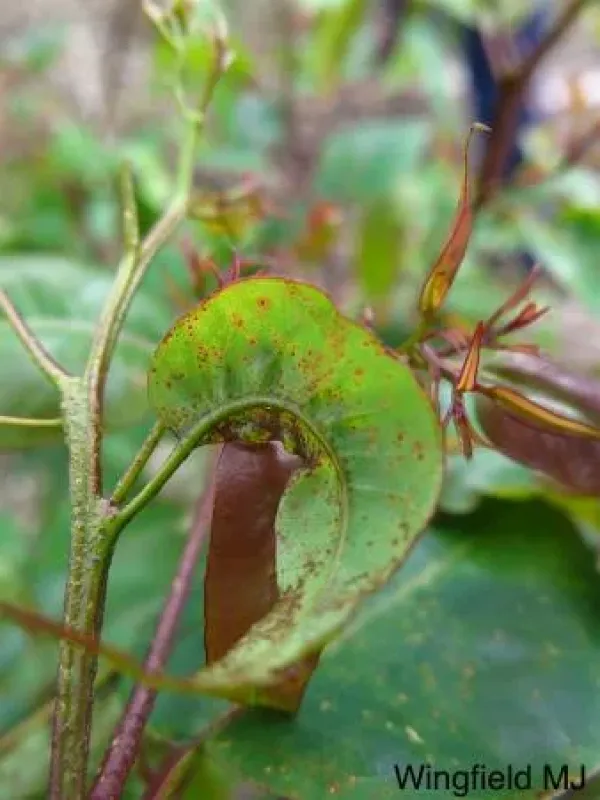
Description
Symptoms
The first signs of guava scab are small, watery lesions on the surface of young leaves, which subsequently darken into brown or necrotic spots.
Fruit infestation is characterized by the appearance of raised, corky, or scabby lesions that distort the skin, rendering the fruit commercially unmarketable.
Infected young shoots often exhibit twisting, stunted growth, and the development of deep, necrotic scabs along the stem tissue.
Under conditions of high humidity, a greyish, velvety fungal mat may appear on the surface of the infected areas, indicating active sporulation.
- Lesions on leaf blades leading to premature yellowing and drop.
- Deformed, scabby fruit surface with deep lesions.
- Necrosis and distortion of young, succulent twigs.
- Significant decline in overall canopy health and vigour.
Pathogen
The disease is caused by the fungus Elsinoë psidii, which belongs to the Ascomycota division. It is a specialized pathogen that specifically targets the Psidium genus.
The fungus produces conidia, which serve as the primary source of infection and spread rapidly under high moisture and favorable temperature conditions.
The pathogen primarily overwinters in the necrotic tissues of infected twigs and fallen leaves, serving as the starting point for new outbreaks in spring.
Infection typically occurs in young, actively growing tissues, with the fungus mycelium penetrating the surface and establishing itself within the intercellular spaces.
The biology of Elsinoë psidii is closely tied to the physiological cycles of the guava tree, allowing it to synchronize its development with the most vulnerable stages of the host.
Conditions for development
High humidity and rainfall are the primary drivers of scab epidemics, as water droplets facilitate the dissemination of fungal spores across the canopy.
The disease thrives in moderate to warm temperatures, typically ranging from 20°C to 26°C, which perfectly aligns with the growth season of guava trees.
Poor orchard sanitation, where infected debris is left on the ground, creates a continuous cycle of reinfection that is difficult to break without active intervention.
Dense tree spacing or lack of proper pruning limits airflow, leading to microclimates inside the canopy that stay wet for extended periods.
Prolonged morning dews or frequent overhead irrigation further exacerbate the risk of fungal spread during critical periods of fruit development.
Why it matters
The primary damage caused by guava scab is economic, as infected fruits lose their aesthetic appeal and fail to meet international quality standards for export.
Persistent infection reduces the photosynthetic area of the tree, which can lead to reduced yield, lower sugar content in fruits, and smaller fruit size.
The structural integrity of young stems is compromised, leading to dieback and making the trees more susceptible to environmental stress factors.
In nursery settings, the disease can cause severe losses by stunting seedling growth and making them unsuitable for transplantation to the field.
The cost of implementing strict fungicide schedules to maintain production increases the overall operational expenses of the guava orchard.
Protection
Sanitation is paramount; all diseased twigs, leaves, and fruits must be pruned regularly and removed from the orchard site to reduce spore load.
Proper pruning techniques should be employed to open up the canopy, improving sunlight penetration and air circulation to keep foliage dry.
Chemical control involving copper-based fungicides or other systemic protective agents should be applied during periods of active vegetative growth and flowering.
Establishing proper plant spacing and ensuring good soil drainage are key preventative measures that help manage moisture levels around the trees.
Where possible, growers should prioritize the use of resistant cultivars and implement integrated pest management (IPM) strategies to ensure long-term sustainability.
Discussion
No discussions yet — be the first.