
Anthracnose of ficus
Elsinoë brasiliensis
Description
Symptoms
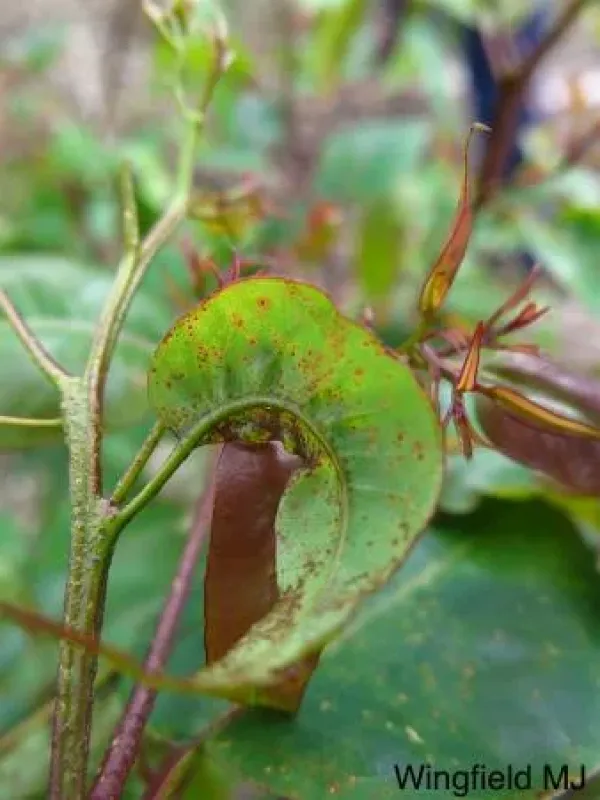
The first symptoms of infection appear as small brown or reddish-brown spots on the leaf surface. As the infection progresses, these lesions expand into larger, irregularly shaped necrotic areas, often characterized by a distinct dark margin.
A typical diagnostic feature is a yellow or light-colored halo surrounding the necrotized zone. Over time, tiny dark structures (acervuli) containing fungal spores may emerge in the center of the spots, visible upon close inspection.
When the infection reaches the petioles, leaves tend to drop prematurely, leading to sparse foliage and bare stems. If the pathogen spreads to the shoots, they may become deformed, lose turgor, and eventually die back.
In high humidity, a subtle, dusty layer consisting of conidia may be visible on the underside of affected leaves. Without appropriate control measures, the necrosis eventually leads to total leaf desiccation and loss.
Because these symptoms can occasionally be confused with water-stress or pest damage, accurate diagnosis requires observing the specific patterns of necrosis and the speed of the spread across the foliage.
Pathogen
The causal agent of anthracnose in the rubber fig (Ficus elastica) is a fungal pathogen scientifically classified as Elsinoë brasiliensis. It is a highly specialized parasite that affects the foliage and succulent stems of various Moraceae family members.
The fungus actively reproduces and spreads under high humidity conditions, where its spores are easily dispersed by water droplets or air currents. The pathogen invades the plant epidermis, eventually colonizing internal tissues and destroying cellular structures.
This pathogen is capable of surviving in plant debris and soil, making recurring infections a common issue in indoor settings and greenhouses. The mycelium penetrates deep into the tissues, gradually draining the plant's metabolic resources.
During its life cycle, Elsinoë brasiliensis releases specific toxins and enzymes that cause localized tissue necrosis. This physiological disruption severely hinders photosynthesis and weakens the plant's overall immune system.
As an obligate parasite, the fungus requires living tissue to thrive but can survive in a dormant state for extended periods under adverse conditions, producing resilient spores that maintain its virulence.
Conditions for development
High relative humidity, typically exceeding 75-80 percent, is the primary driver for Elsinoë brasiliensis development. In these moisture-rich environments, spores germinate on leaf surfaces in a very short timeframe.
Temperatures ranging from +23 to +28 degrees Celsius are considered optimal for the rapid colonization and reproduction of the pathogen. Warm and stagnant air creates an ideal microclimate for the disease to flourish in indoor settings.
Improper irrigation practices, such as waterlogging the soil or splashing water onto foliage during watering, significantly increase the risk of infection. Poor ventilation in crowded plant collections further exacerbates the spread of spores.
Lack of sufficient sunlight and nutrient deficiencies can suppress the plant's natural immune response, making the rubber fig highly susceptible to fungal attacks. Plants subjected to sudden temperature fluctuations or drafts are also more prone to infection.
Seasonal shifts that decrease light levels while maintaining indoor humidity create a stress window that the fungus frequently exploits to establish new colonies on vulnerable plants.
Why it matters
Anthracnose is considered one of the most damaging diseases for ornamental ficus, as it leads to widespread defoliation. The significant loss of leaf area critically impairs the plant's ability to undergo photosynthesis, leading to chronic weakness.
Severe infestations can result in the death of young or weakened specimens that lack the energy reserves to recover. For established plants, the disease causes stunted growth and loss of aesthetic appeal.
Infected ficus plants serve as constant reservoirs of inoculum for other ornamental species in the collection. This poses a high risk to the entire indoor garden, necessitating strict quarantine and isolation procedures.
The necrotic lesions caused by the fungus serve as entry points for secondary bacterial and fungal infections, which further destroy the vascular system of the stem. This significantly complicates the plant's recovery process.
The economic impact is substantial, particularly for commercial nurseries, where plants damaged by anthracnose lose their market value, leading to financial losses and increased costs for chemical treatments.
Protection
The primary control measure is immediate sanitation: pruning and destroying all infected leaves and shoots. Tools must be thoroughly disinfected with alcohol or other potent disinfectants after each cut to prevent cross-contamination.
For chemical management, copper-based fungicides or systemic options such as triazoles and benzimidazoles are highly effective. Treatment should cover both the foliage and the surrounding soil to address existing spores.
Optimizing care conditions is crucial; this includes lowering ambient humidity, improving ventilation, and ensuring the plant receives adequate indirect light. Avoid overhead watering to keep foliage dry.
Prevention relies on keeping leaves clean, maintaining proper spacing between plants in a collection, and using a high-quality, well-draining soil mix. Regular monitoring for the earliest signs of spots is essential for success.
- Perform regular inspections of all leaves.
- Apply fungicides as directed for severe cases.
- Sanitize tools after each pruning session.
- Ensure excellent airflow around the plant canopy.
- Avoid spraying leaves during routine watering.
Discussion
No discussions yet — be the first.