
Eichleriella deglubens
Eichleriella deglubens
Description
Symptoms
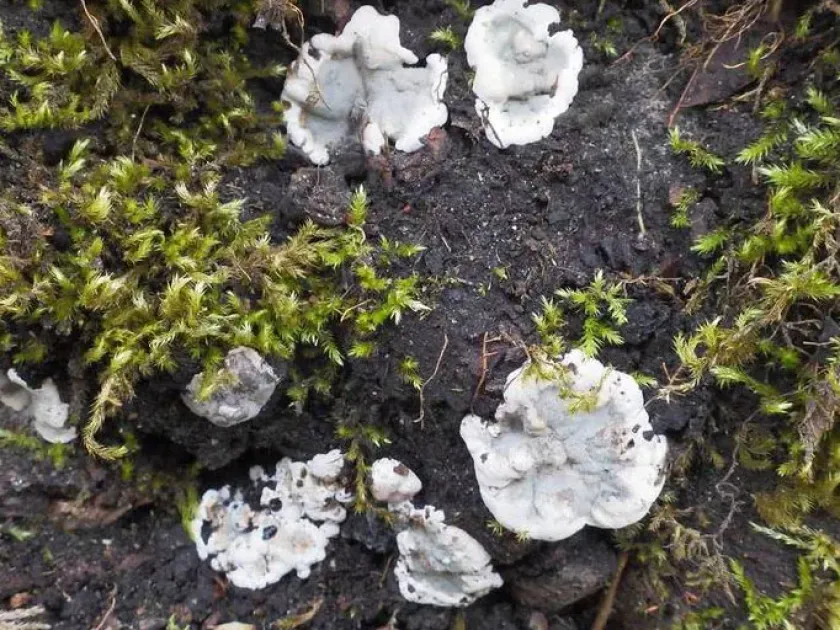
The primary visual sign of Eichleriella deglubens infection is the appearance of leather-like, flat or slightly reflexed fruiting bodies on the bark of trees.
These fruiting bodies typically exhibit a brownish to grayish-tan color, often featuring an uneven or wrinkled surface texture that develops as the fungus matures.
A distinctive characteristic of this fungus is the tendency of the edges of the fruiting bodies to peel away from the substrate, which is a key diagnostic feature.
Infected areas often show signs of bark cracking, localized drying, or necrotic patches where the fungal mycelium has colonized the underlying plant tissues.
As the disease progresses, the tree may show signs of canopy decline, such as yellowing leaves or dieback of smaller twigs, resulting from disrupted nutrient flow.
Pathogen
The pathogen is Eichleriella deglubens, a basidiomycete fungus classified within the order Auriculariales, known for its role in decaying woody tissues.
The fungus reproduces by releasing basidiospores that are disseminated primarily by wind and splashing water, seeking new sites for colonization.
Upon landing on suitable wounded or weakened bark, the spores germinate and form mycelial mats that penetrate the cortex and cambium layers.
The fungus secretes specialized enzymes capable of degrading cellulose and lignin, effectively breaking down the structural integrity of the tree's outer layers.
While often categorized as a saprotroph, under favorable conditions, it acts as a opportunistic pathogen on trees already under environmental stress.
Conditions for development
High humidity and prolonged wet weather are the most critical factors driving the germination and expansion of Eichleriella deglubens.
The fungus thrives in environments with poor air circulation, such as densely planted orchards or neglected woodland areas where stagnant air traps moisture.
Mechanical damage to the bark—caused by storms, improper pruning, or animal activity—serves as the primary entry point for fungal spores.
Trees suffering from physiological stress due to drought, nutritional deficiencies, or root compaction are significantly more susceptible to successful fungal colonization.
Decaying logs, stumps, and neglected debris in the vicinity act as primary reservoirs, constantly releasing spores throughout the growing season.
Why it matters
The fungus causes localized degradation of the bark, which can eventually lead to the girdling of stems and branches if left unchecked.
By compromising the bark barrier, the fungus facilitates the entry of wood-boring insects and other, more aggressive pathogens that further damage the tree.
Infection results in reduced vigor, decreased fruit yield in orchard trees, and permanent loss of aesthetic appeal in ornamental landscape specimens.
The cumulative damage weakens the tree’s systemic defenses, making it increasingly vulnerable to secondary stresses like extreme cold or seasonal drought.
In nursery settings, an outbreak of Eichleriella deglubens can lead to significant economic losses due to the required culling of infected stock.
Protection
Sanitation is the cornerstone of management: all infected branches, dead wood, and debris must be removed and destroyed to reduce the spore load.
Pruning cuts should be clean and treated with wound sealants or copper-based protective pastes to prevent new infections from occurring.
Ensuring trees have adequate spacing and regular thinning of the canopy improves airflow, keeping the bark dry and less hospitable to fungal growth.
Preventative applications of copper-based fungicides during the dormant season can help inhibit the establishment of the fungus on susceptible bark surfaces.
- Regular monitoring of bark for new fruiting bodies.
- Disinfecting pruning tools between trees to prevent spread.
- Addressing underlying tree stress through proper fertilization.
- Promptly repairing mechanical wounds to the bark.
Discussion
No discussions yet — be the first.