
Eichleriella
Eichleriella
Description
Symptoms
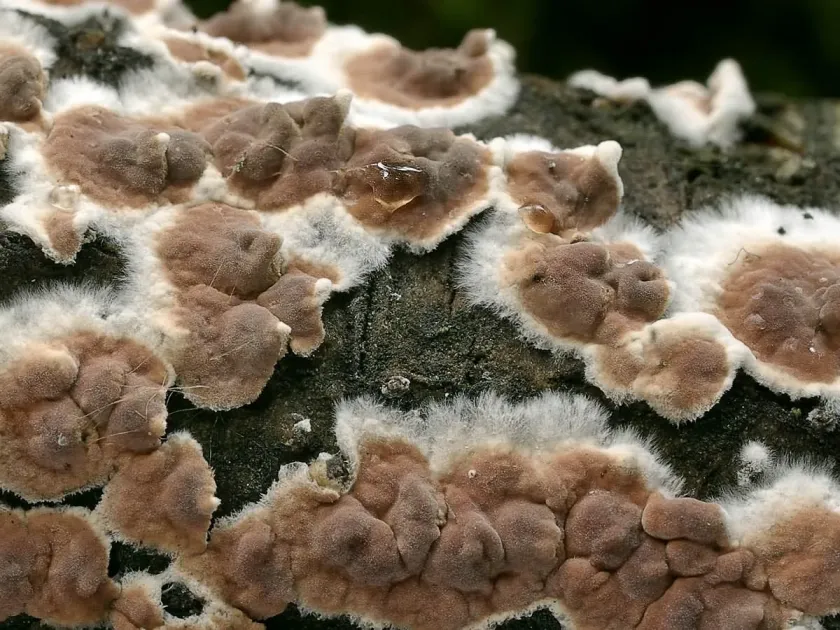
The most prominent sign of an Eichleriella infection is the presence of the fungus's fruit bodies on the trunk or branches. These appear as irregular, crusty, or shelf-like growths that may be cream, tan, or brown.
Infected wood becomes structurally compromised, appearing rotten or punky. You may notice soft, spongy areas of wood when pressure is applied, indicating extensive internal decay caused by the mycelium.
Bark cracking and peeling are common symptoms. In areas where the bark has fallen away, you might see the white or yellowish fungal mycelial mat spreading across the exposed woody tissue.
The host tree often exhibits symptoms of stress, such as crown dieback, yellowing leaves, or overall stunted growth. These issues arise because the wood rot disrupts the tree's vascular system, preventing water and nutrient flow.
In advanced stages of decay, the structural integrity of branches is so severely compromised that they may break during storms or under the weight of snow, presenting a physical safety hazard.
Pathogen
Eichleriella is a genus of basidiomycete fungi belonging to the Auriculariales order. These fungi are primarily saprotrophic, meaning they typically feed on dead organic matter, but they can opportunisticly invade weakened or injured live trees.
The fungus develops a mycelium that infiltrates wood tissues, decomposing cellulose and lignin. This degradation process is essential in natural forest ecosystems but detrimental to managed orchards and ornamental landscapes.
Reproduction occurs through basidiospores, which are dispersed by wind and water. Upon landing on a suitable substrate—specifically a wound in a tree’s bark—the spores germinate and initiate new fungal colonization.
The structure of the fungus often appears as crust-like or effused-reflexed basidiocarps. These fruit bodies are often leathery or gelatinous and serve to release spores into the environment during favorable weather conditions.
As the fungus consumes the wood, it creates specialized enzymes that break down the plant cell walls. This biological activity is what leads to the characteristic softening and structural failure of the host's wood.
Conditions for development
High humidity and moisture are the primary drivers for Eichleriella development. The fungus thrives in damp, shaded environments where the bark remains wet for prolonged periods after rainfall.
Physical trauma is the most significant entry point for the fungus. Sunscald, frost cracks, pruning wounds, and insect damage all provide the necessary access for fungal spores to begin infecting the tree.
Trees that are stressed due to poor soil conditions, nutritional deficiencies, or lack of proper water are significantly more susceptible to infection than vigorous, healthy specimens.
Poor ventilation within a dense canopy or tightly spaced orchard planting contributes to higher spore concentration and slower drying of bark surfaces, creating ideal conditions for infection.
Optimal temperatures for mycelial growth are generally in the temperate range, meaning spring and autumn are the most active periods for the pathogen to establish itself within the host.
Why it matters
Eichleriella poses a serious risk to tree longevity by causing hidden wood decay. Because the fungus often works from the inside out, the extent of the damage is frequently underestimated until the tree or limb fails.
The degradation of wood leads to reduced structural integrity, making trees hazardous. This is particularly concerning in public parks or home gardens where falling limbs could cause property damage or injury.
In agricultural settings, the fungus can significantly reduce the vitality of fruit trees. As the host directs energy toward defense and attempted tissue repair, fruit production decreases in quality and quantity.
The pathogen can turn an entire orchard into a reservoir for spores, increasing the likelihood that neighboring trees will eventually become infected if proper hygiene is not maintained.
Once a tree is heavily colonized, it is often difficult or impossible to eradicate the fungus completely, as the mycelium has likely spread deep into the heartwood, out of reach of external treatments.
Protection
Effective management begins with strict sanitation practices. Removing all dead, dying, or diseased wood is critical to reducing the spore load in your environment.
- Sterilize pruning tools between trees to prevent cross-contamination.
- Treat pruning cuts with proper wound dressings or protective sealants to prevent spore entry.
- Apply copper-based fungicides as a preventative measure during dormancy.
- Remove and destroy (burn or bury) any removed wood that shows signs of fungal growth.
When localized infections are found, carefully excise the affected bark and wood down to healthy, clean tissue, and treat the area with a fungicide to prevent regrowth.
Maintaining tree vigor through proper fertilization, adequate watering, and correct pruning techniques is the best long-term defense against fungal colonization.
Discussion
No discussions yet — be the first.