
Willow leaf spot
Drepanopeziza castagnei
Description
Symptoms
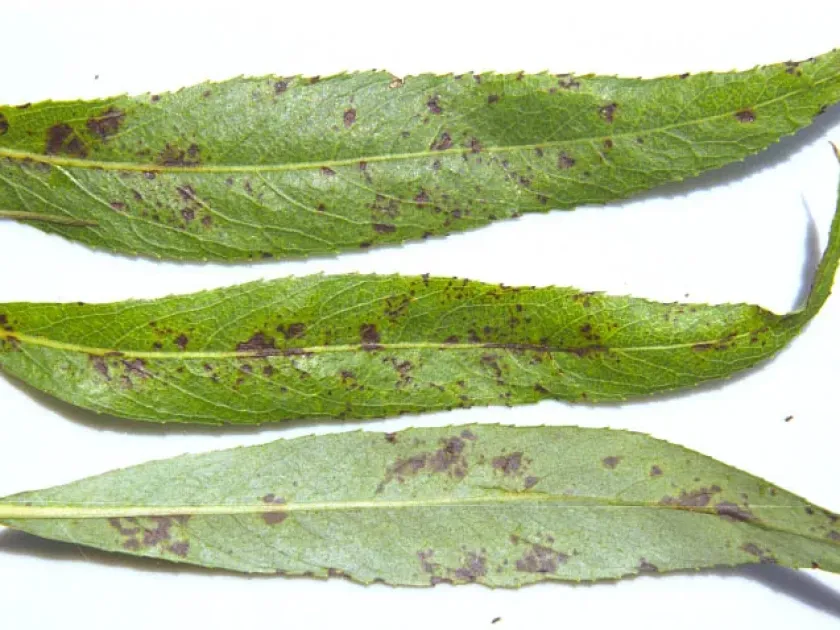
The disease first manifests as small brown spots appearing on the leaves. These spots can range from circular to irregular in shape and are often delimited by the leaf veins.
As the infection progresses, small, slightly raised dark structures, known as acervuli, develop in the center of the spots. These are the fungal fruiting bodies responsible for producing new spores.
Affected leaves often turn yellow, curl at the edges, and drop prematurely. In severe cases, trees may lose a significant portion of their foliage long before the autumn season begins.
If left unmanaged, the spots may coalesce, covering large portions of the leaf surface. This loss of photosynthetic tissue effectively weakens the entire tree.
- Brown circular or angular leaf spots.
- Visible dark spore-producing structures on the undersides.
- Premature yellowing and leaf shedding.
- Reduced vigor in young saplings.
Pathogen
The fungus Drepanopeziza castagnei is the primary pathogen responsible for this leaf spot disease. It is a specialized ascomycete that exclusively targets various Salix species.
The pathogen completes its lifecycle by utilizing fallen leaves as a survival substrate during the winter months. In the spring, sexual spores (ascospores) are released from the overwintered leaves, initiating primary infection.
During the growing season, the fungus produces asexual conidia within the spots on the foliage. These spores are spread by wind and water splashes, causing rapid secondary infections among healthy leaves.
The fungus thrives in moist environments, as the germination of its spores requires a film of water on the leaf surface. High-humidity conditions significantly accelerate the rate of disease spread.
Once established, the mycelium penetrates the leaf tissue, leading to localized cell necrosis, which manifests as the characteristic brown spotting seen on affected trees.
Conditions for development
Development of the disease is heavily dependent on weather patterns. Periods of frequent rainfall and moderate temperatures are ideal for the widespread germination of Drepanopeziza castagnei spores.
Dense planting configurations that restrict airflow within the canopy create microclimates with persistently high humidity levels, which are conducive to fungal proliferation.
Poor orchard or garden hygiene, specifically the failure to remove leaf litter, provides an abundant inoculum source for the following season. This is a common oversight that leads to recurring outbreaks.
Temperatures ranging between 18°C and 25°C provide the metabolic optimum for the fungus to spread and invade leaf tissues quickly during the spring and summer months.
Plants under environmental stress, such as nutrient deficiencies or prolonged drought, exhibit lower resistance levels, making them prime targets for fungal colonization.
Why it matters
The primary impact of the disease is the reduction of the leaf surface area available for photosynthesis. This depletion of energy reserves hinders the tree's overall growth and development.
Premature leaf drop negatively affects the aesthetic value of willow trees in residential or landscape settings, often leaving branches bare during the peak of the growing season.
Infected trees suffer from reduced winter hardiness. Because they cannot store enough starch and sugars before dormancy, they are prone to frost damage and dieback during harsh winters.
Chronic infestations can stunt the long-term growth of the tree, resulting in smaller annual increments and a diminished capacity for recovery in subsequent years.
In commercial willow plantations, the disease causes significant economic losses by lowering the biomass yield and compromising the quality of the harvested wood.
Protection
Sanitation is the most critical control measure. Raking and burning or composting leaf litter in late autumn effectively reduces the number of spores available to restart the cycle in spring.
Improving canopy ventilation through proper pruning techniques helps keep the foliage dry, which significantly inhibits the establishment and spread of the fungus.
Fungicidal applications, particularly those containing copper or specialized systemic agents, are recommended if the infection persists or if the weather is exceptionally wet.
Ensuring trees receive adequate water and balanced fertilization helps maintain their natural immune response, making them less susceptible to fungal attacks.
When selecting new willows, opting for resistant varieties or species can drastically reduce the dependency on chemical control methods and ensure a healthier, more resilient landscape.
Discussion
No discussions yet — be the first.