
Diplodina blight
Diplodina
Description
Symptoms
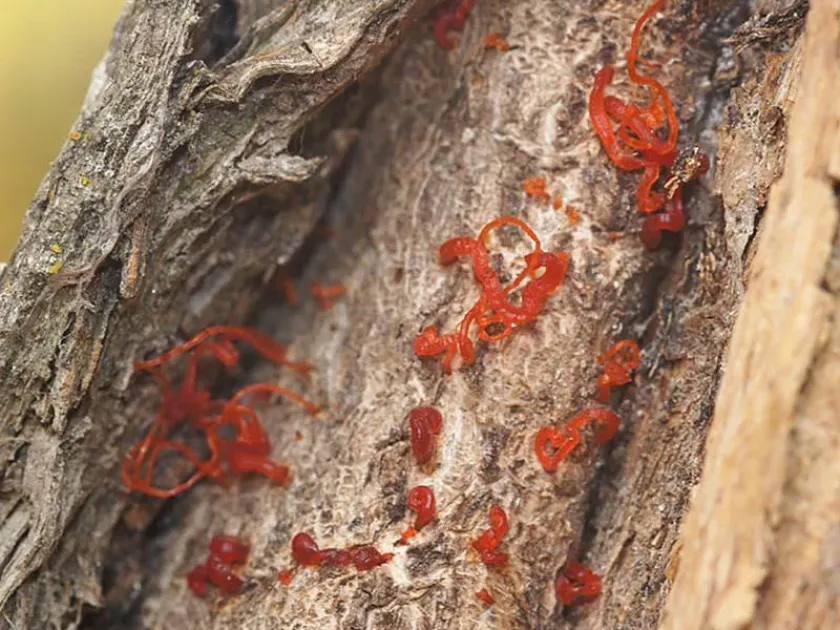
The most common symptoms include necrotic spots on leaves, which often display a distinct dark border. Over time, small black fruiting bodies, known as pycnidia, develop on the surface of these lesions.
Affected leaves often turn yellow, curl, and drop prematurely. In severe cases of infestation, entire stems or shoots may wither and die, leading to a significant reduction in the plant's overall biomass and vigor.
Stems frequently show elongated, sunken lesions that may appear grey or brown in color. In these areas, the tissue can crack, creating an entry point for opportunistic secondary pathogens and pests.
In fruits and berries, the infection manifests as soft, water-soaked spots that rapidly expand, leading to tissue decomposition. Under conditions of high humidity, these lesions may be covered by a thin layer of fungal spore mass.
Root system infections often cause darkening and necrosis of the roots, resulting in sudden wilting of the plant even when soil moisture levels appear adequate for growth.
Pathogen
The causative agent of Diplodina blight is a genus of fungi known as Diplodina, which are often classified within the order of ascomycetes. These pathogens can persist in soil, crop residues, and contaminated seeds as mycelium or pycnidia for several seasons.
The life cycle of the pathogen is highly dependent on humidity. The fungus produces pycnidia that release large numbers of spores, which are then disseminated by rain splashes, wind currents, or agricultural tools throughout the field.
The pathogen demonstrates high adaptability and can infect various plant tissues, including stems, leaves, and occasionally roots. Upon infection, the fungus invades plant parenchyma, disrupting vital processes such as photosynthesis and nutrient transport.
A biological challenge of this disease is its prolonged incubation period, which often masks early infection stages and makes accurate diagnosis difficult for farmers during the initial stages of crop development.
The fungus remains viable in the soil for several years, which highlights the critical importance of crop rotation and field sanitation as primary tools for long-term disease management and prevention.
Conditions for development
High moisture levels in both soil and air, typically exceeding 70–80%, are the primary triggers for Diplodina development. Frequent rain, morning mist, and dew facilitate the rapid spread of spores across the crop canopy.
The optimal temperature range for the pathogen's activity is between +18°C and +25°C. However, the fungus is known to survive and cause damage at lower temperatures, especially during early spring or late autumn periods.
Poor ventilation, particularly in dense plantings or greenhouse environments, creates a microclimate conducive to rapid infection. Limited airflow prevents foliage from drying quickly, favoring fungal spore germination.
Plants with weakened immune systems, caused by nutrient deficiencies, insect damage, or stress from environmental factors, are significantly more susceptible to infection by the fungus.
Poor agricultural practices, such as planting in contaminated soil or failing to remove infected crop debris from the previous season, often lead to high infection pressure in subsequent years.
Why it matters
Diplodina blight causes substantial economic losses, with yield reductions ranging from 20% to 50% depending on the specific crop variety and the severity of the infection during the growing season.
The disease severely impacts product quality. Infected fruits lose their marketability due to poor appearance, reduced taste, and decreased shelf life, which complicates logistics and retail distribution.
Premature leaf drop and stem damage shorten the growing season, preventing the plants from reaching their full potential and resulting in smaller fruit sizes and lower nutrient accumulation.
Seedling blight caused by this fungus can lead to reduced plant populations in the field, necessitating costly replanting efforts and additional labor for managing the affected areas.
In perennial orchards, the disease can cause systemic weakness, leading to a long-term decline in productivity and requiring intensive and expensive treatment plans to maintain the plantation's health.
Protection
A fundamental strategy for disease control is a rigorous crop rotation schedule, avoiding the planting of susceptible species on the same field for at least three years to break the infection cycle.
Deep plowing is essential to bury crop residues thoroughly, as these materials serve as primary overwintering sites for the pathogen. Proper field sanitation is critical for reducing initial inoculum levels.
Only certified, disease-free seeds should be used. Treating seeds with systemic fungicides provides a necessary protective barrier for seedlings against soil-borne pathogens during the critical early growth phases.
During the growing season, preventive application of fungicides (such as copper-based, triazoles, or strobilurins) should be implemented at the first sign of symptoms, following label rates carefully.
Integrated management includes maintaining optimal plant spacing to promote airflow, controlling weeds that act as alternative hosts, and ensuring balanced fertilization to improve the natural resistance of the crop.
Discussion
No discussions yet — be the first.