
Viburnum blight
Didymella viburnicola
Description
Symptoms
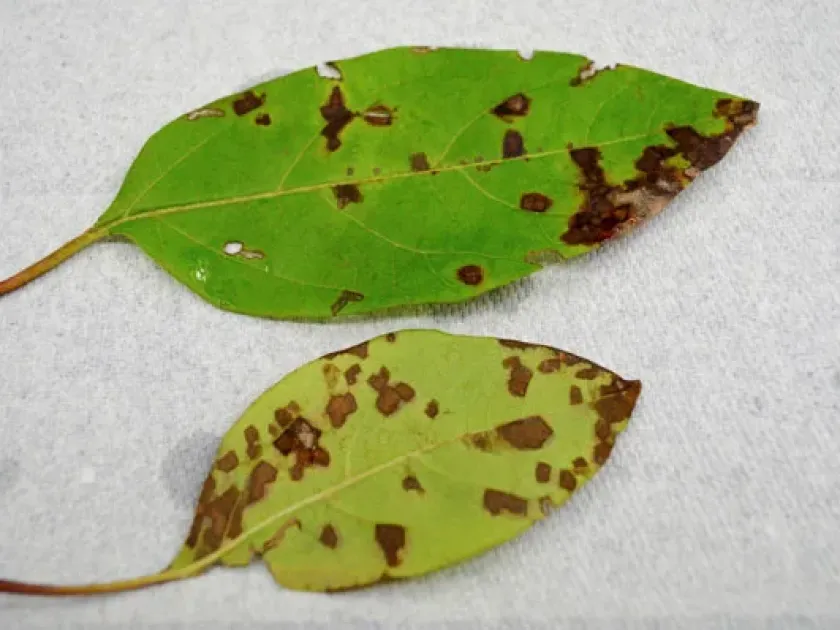
The initial symptoms of viburnum blight appear as small, brown or reddish-brown spots on the leaves. Over time, the centers of these lesions turn grayish-white, which is a hallmark diagnostic feature of the disease.
A distinct dark border usually surrounds these necrotic spots, separating the diseased tissue from healthy leaf areas. This ring helps gardeners distinguish the blight from less severe leaf diseases.
On stems and petioles, the fungus causes elongated, sunken lesions. These can lead to structural weakness and may cause individual twigs to snap off, especially during windy conditions.
If the infection is severe, these spots merge, causing widespread leaf yellowing and premature abscission. This thinning of the canopy reduces the shrub's photosynthetic capacity significantly.
Under humid conditions, minute black specks—pycnidia—become visible within the infected lesions. These represent the fungal fruiting bodies that will disseminate new spores throughout the growing season.
Pathogen
Viburnum blight is caused by the fungal pathogen Didymella viburnicola, which belongs to the Ascomycota phylum. This fungus specifically targets various species of the Viburnum genus, leading to localized necrosis.
The fungus survives the winter as mycelium or pycnidia within fallen leaves and infected woody tissue. When spring temperatures rise and moisture levels increase, the fungus releases spores that spread via rain splash or wind currents.
Infection occurs when spores land on susceptible plant tissues, particularly young leaves or tender stems. The pathogen utilizes natural openings and small wounds to colonize the host's cellular structure effectively.
Understanding the life cycle of Didymella viburnicola is crucial for disease management, as the fungus is highly active during cool, wet springs. Spore production often coincides with the onset of new vegetative growth.
Environmental monitoring is essential for predicting infection windows, as the pathogen's development is strictly governed by the presence of free water on plant surfaces.
Conditions for development
High relative humidity and frequent rainfall are the primary drivers of Didymella viburnicola outbreaks. Prolonged wetness on foliage allows the spores to germinate and penetrate the plant epidermis.
The fungus thrives within a temperature range of 18°C to 24°C (64°F to 75°F). During this period, the rate of mycelial growth inside the plant tissue accelerates rapidly.
Poor site management, such as overcrowding shrubs, limits air circulation and prevents foliage from drying out. These damp, stagnant conditions are ideal for the rapid spread of the blight.
Overhead irrigation systems can inadvertently create a microclimate that promotes disease. Watering at the base of the plant is recommended to keep the foliage as dry as possible.
The accumulation of unremoved plant debris under the shrubs provides a permanent reservoir for the fungus, allowing it to re-infect the plant annually if sanitation is neglected.
Why it matters
Viburnum blight causes significant physiological stress by forcing premature defoliation. This leaf loss diminishes the energy reserves required by the shrub to survive the winter dormancy period.
When the infection reaches the branches, it disrupts the vascular system, potentially causing branch dieback. Severe cases can lead to the overall decline of the plant’s health and vitality.
From a landscaping perspective, the disease ruins the aesthetic value of the shrub. Infected plants appear sickly, with discolored leaves and thinning branches, making them unsuitable for ornamental use.
Chronic infection weakens the plant's natural defenses, making it more susceptible to secondary fungal pathogens and infestations by opportunistic pests like aphids or scale insects.
If left unmanaged, the blight can spread through the entire hedge, resulting in extensive damage that may necessitate the removal of highly infected branches or the entire shrub itself.
Protection
Effective management begins with rigorous sanitation. All fallen leaves and dead or infected branches should be raked, removed, and burned or disposed of away from the planting site to eliminate inoculum.
Pruning is essential to improve airflow throughout the canopy. Thinning out the center of the shrub helps moisture evaporate quickly, significantly reducing the chances of successful fungal colonization.
Preventative applications of fungicides, particularly those containing copper or systemic active ingredients, can protect new growth during the critical early stages of the spring season.
Always time treatments based on weather forecasts, applying products before forecasted heavy rain. Rotate different classes of fungicides to prevent the pathogen from developing chemical resistance.
Implementing a balanced fertilization program helps maintain vigorous growth, which increases the shrub's natural resistance to diseases and aids in faster recovery from potential infections.
Discussion
No discussions yet — be the first.