
Diaporthe canker
Diaporthe perniciosa
Description
Symptoms
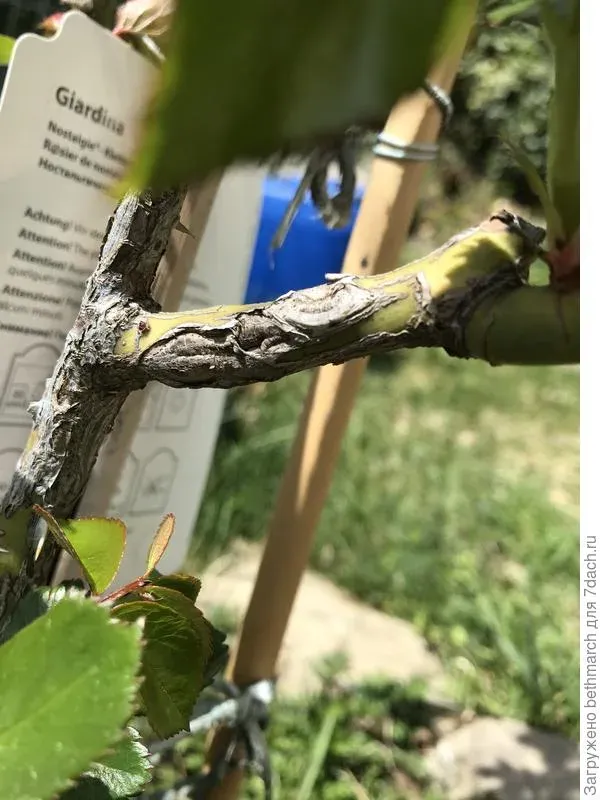
Early symptoms include small, depressed, brown or reddish-brown lesions on the bark. As the disease advances, these lesions expand and become more distinct, often appearing as sunken zones that differ in texture from the surrounding healthy bark.
The bark within the necrotic area may crack or peel away, revealing the underlying woody tissue. In some cases, the tree attempts to form a callus barrier around the lesion, leading to a wrinkled or uneven appearance at the site of infection.
A diagnostic feature is the appearance of small, black, pin-head-sized pycnidia erupting through the bark surface. In humid conditions, these structures exude tiny tendrils of spores, which are visible to the naked eye as whitish or yellowish filaments.
Affected branches often show signs of severe stress, including leaf yellowing, wilting, and premature leaf drop. If a canker girdle forms around the branch or the trunk, the section above the lesion will eventually die back completely.
In addition to bark damage, the fungus can infect fruit, causing necrotic spots and eventual mummification. These infected fruits can drop to the ground and serve as a reservoir for further fungal spread within the orchard.
Pathogen
The disease is caused by the ascomycete fungus Diaporthe perniciosa (with its anamorph stage Phomopsis perniciosa). This pathogen acts as a saprophyte or weak parasite, thriving in weakened or wounded woody tissues of various plants.
The fungus survives as mycelium within infected bark, dead branches, and fallen leaves. It produces fruiting bodies known as pycnidia, which release conidia (spores) that serve as primary and secondary inoculum throughout the growing season.
Diaporthe perniciosa is a polyphagous pathogen, meaning it can infect a broad range of hosts, including pome fruits like apples and pears, and stone fruits like cherries, plums, and peaches. Its ability to infect diverse species makes it a persistent threat in mixed-crop orchards.
Infection occurs when spores land on bark surfaces or enter through physical wounds. Once inside, the fungal mycelium colonizes the cambium layer, slowly disrupting the vascular system and preventing the flow of water and nutrients to the distal parts of the tree.
The pathogen is highly capable of surviving adverse climatic conditions, remaining dormant in the host tissue during winter and resuming activity as soon as favorable conditions arise in early spring.
Conditions for development
Moisture is the primary driver for the development and spread of Diaporthe perniciosa. Prolonged periods of rain, high humidity, and frequent fog provide the necessary water film for spore germination and infection.
Physical trauma is the leading cause of successful infection. Wounds resulting from pruning, mechanical harvesting, hail, or frost damage create vulnerable pathways for the fungus to bypass the tree's natural bark defenses.
Orchards that lack proper maintenance or are neglected are at higher risk. Tree stress caused by poor irrigation, nutrient deficiencies, or soil compaction weakens the plant's immune system, making it easier for the fungus to take hold.
The optimal temperature for fungal growth ranges between 15°C and 25°C. However, the fungus is resilient and can adapt to varied environmental conditions, making infection possible throughout most of the growing season.
Poor orchard sanitation, such as leaving infected prunings on the ground, creates a concentrated source of inoculum. Dense tree canopies that reduce airflow also contribute to higher humidity levels around the bark, favoring the fungal lifecycle.
Why it matters
The primary damage caused by Diaporthe canker is the progressive dieback of branches, which leads to a significant loss of canopy and reduced tree structure. This diminishes the tree's overall photosynthetic capacity and productivity.
Crop yields suffer both in quantity and quality. Infected trees produce smaller fruits with shorter storage lives, leading to substantial economic losses for orchardists.
Trunk infections are particularly lethal, as they can girdle the tree, cutting off all nutrient and water pathways to the canopy, ultimately leading to tree death and the need for costly replanting.
The disease weakens the tree's overall resilience, making it more susceptible to secondary pests and pathogens. This creates a cycle of decline that is difficult to reverse without aggressive intervention.
In nurseries, the presence of Diaporthe perniciosa can lead to the quarantine or rejection of planting material. This disrupts supply chains and prevents the establishment of healthy new orchard blocks.
Protection
Integrated pest management (IPM) is essential for controlling Diaporthe canker. The focus must be on maintaining tree vigor and strictly limiting the movement of the pathogen through sanitation.
Pruning should be performed during dry weather to minimize infection risk, and all tools must be disinfected after working on a suspicious tree. All excised material must be removed from the orchard and destroyed by burning.
Chemical applications of copper-based fungicides are effective as a prophylactic measure, particularly when applied in early spring before bud break to reduce initial spore populations.
During the growing season, systemic fungicides may be used if monitoring indicates active infection. Balanced fertilization and adequate irrigation are crucial to ensure trees are strong enough to resist colonization.
- Always disinfect pruning shears with 70% alcohol or a bleach solution.
- Seal large pruning wounds with a protective wound paint or paste.
- White-wash trunks to prevent frost cracks and sunscald.
- Improve orchard hygiene by removing all dead wood and fallen fruit.
Discussion
No discussions yet — be the first.