
Diaporthe melonis
Diaporthe melonis
Description
Symptoms
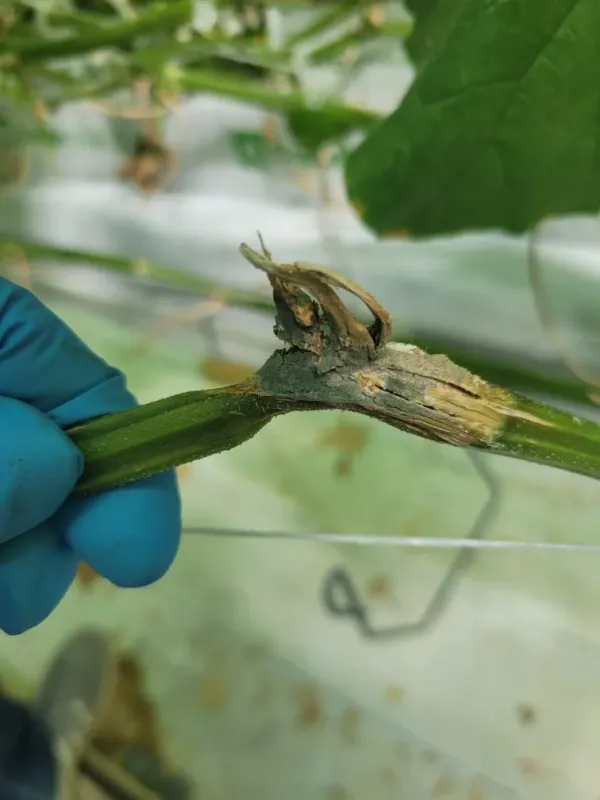
The primary symptom of infection is the appearance of brown, necrotic lesions on the stem near the soil line, which often develop a sunken appearance over time.
Infected plants exhibit sudden wilting during periods of high transpiration, such as sunny afternoons, followed by a partial or full recovery during the night.
Black, pin-head-sized pycnidia appear scattered on the surface of the lesions, serving as a definitive diagnostic sign of the pathogen's presence.
The root system of the affected plants becomes brittle, discolored, and begins to rot, ultimately reducing the plant's ability to uptake vital nutrients.
As the disease progresses, the stem lesions can girdle the plant, causing it to die completely within a short duration during the active growing season.
Pathogen
The disease is caused by the fungus Diaporthe melonis (anamorphic stage Phomopsis sclerotioides), a significant pathogen affecting various cucurbitaceae species.
The pathogen is capable of surviving for several years in the soil through resilient survival structures known as sclerotia and pycnidia, which harbor spores.
Once introduced into the field, the fungus colonizes the root system and the lower stem, effectively obstructing the plant's vascular bundles and cutting off water supply.
The life cycle of the pathogen is closely tied to moisture availability, which triggers the release of conidia that spread easily via splashing rain or overhead irrigation.
This fungus acts as a hemibiotroph, initially feeding on living tissues and eventually causing necrosis and decay of the plant's structural parts.
Conditions for development
High soil humidity and high air moisture are the primary environmental drivers that favor the rapid proliferation and spread of Diaporthe melonis.
Warm temperatures ranging from 20 to 25 degrees Celsius create an optimal metabolic environment for the fungus to colonize cucurbit hosts aggressively.
Inadequate crop rotation practices significantly increase the inoculum load in the soil, making it increasingly difficult to cultivate healthy melons or pumpkins.
Poor soil drainage leads to prolonged wetness around the root collar, providing the necessary moisture for spores to germinate and invade the stem tissue.
Mechanical injuries during cultivation or weeding provide entry points for the fungal mycelium to penetrate the otherwise healthy protective layers of the plant.
Why it matters
The economic impact of the disease is devastating, as it can cause significant yield loss through plant death and poor fruit development in surviving plants.
Infected cucurbits suffer from a lack of proper sugar accumulation and fruit growth, resulting in poor-quality produce that fails to meet market standards.
Field-wide infections can result in total crop failure, necessitating costly soil treatments or long-term exclusion from planting susceptible crops in affected areas.
The disease reduces the vigor of the crops, making them significantly more susceptible to secondary infections by other soil-borne pathogens and pests.
Management costs increase due to the requirement for repeated fungicide applications and the intensive labor needed for sanitation and field cleanup.
Protection
Long-term crop rotation (5-7 years) using non-host crops is the most effective cultural strategy to reduce the pathogen population in the field.
Effective sanitation, including the removal and deep burial or destruction of all infected crop residues, prevents the fungus from overwintering.
Utilizing certified, disease-free seed and treating seeds with recommended fungicides can significantly lower the risk of primary field infestation.
Implementing a balanced irrigation system that prevents water pooling around the base of the plant is crucial for limiting the spread of the pathogen.
- Apply systemic fungicides at the early stages of disease detection to protect healthy plants.
- Improve soil drainage and aeration to create less favorable conditions for fungal growth.
- Monitor the field regularly for early symptoms and perform immediate roguing of infected specimens.
Discussion
No discussions yet — be the first.