
Hop Diaporthe blight
Diaporthe humulicola
Description
Symptoms
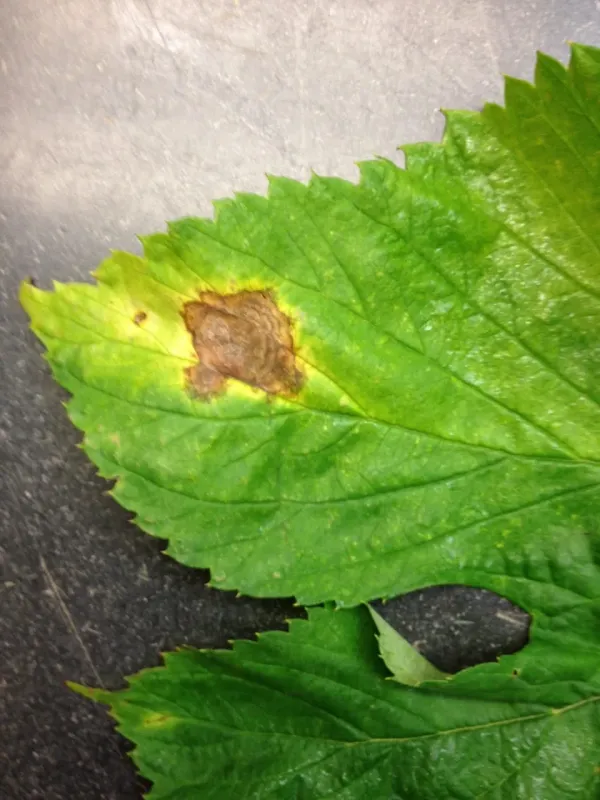
Initial symptoms are characterized by the appearance of irregular necrotic lesions on leaves, often surrounded by a chlorotic halo.
Lesions progressively enlarge, turning brown or grayish as the plant tissue dies and desiccates due to the fungal infection.
Small, dark, pimple-like structures called pycnidia appear on the surface of dead stems and leaves, signifying the presence of the pathogen's fruiting bodies.
Stem infection often results in vascular dysfunction, causing wilting of the bines (the main stems of the hop plant).
In cases of severe infestation, hop cones become discolored, shriveled, and necrotic, leading to a significant loss of quality and yield.
Pathogen
Diaporthe humulicola is an ascomycete fungus that acts as a serious pathogen of the common hop (Humulus lupulus).
The fungus is known for its ability to persist in plant debris and soil, serving as a primary inoculum source for subsequent growing seasons.
It possesses a complex reproductive system involving both sexual and asexual stages, contributing to its evolutionary success and environmental resilience.
The pathogen utilizes airborne spores that are disseminated by wind and splashing raindrops, facilitating rapid spread within a hop yard.
Once spores land on susceptible host tissue, they penetrate the plant via stomata or wounds caused by insect feeding or mechanical operations.
Conditions for development
High humidity and frequent rainfall are the most critical environmental triggers for the development and spread of Diaporthe humulicola.
The fungus thrives within a temperature range of 18°C to 25°C, which coincides with the peak vegetative growth phase of hops.
Dense canopies that lack sufficient ventilation create a persistent microclimate that favors fungal sporulation and infection.
Poor field sanitation, including the presence of weeds and old plant residue, keeps the environment moist and harborages the fungus.
Plants that are physiologically stressed due to nutrient deficiencies or prior pest attacks are significantly more susceptible to blight outbreaks.
Why it matters
The primary economic impact of this disease is the direct reduction in hop yield caused by tissue death and cone damage.
Quality parameters, such as the concentration of alpha-acids and essential oils, are severely degraded, impacting the commercial value of the crop.
Chronic infections weaken the plant rootstock, reducing its vigor, overall lifespan, and survival rate during the winter months.
Farmers face increased management costs, including frequent fungicide applications and extra labor for sanitation measures.
In severe instances, sustained losses in productivity can necessitate the complete removal and replanting of the infected hop yard.
Protection
The cornerstone of management is the use of high-quality, disease-free planting material sourced from certified nurseries.
Strict adherence to sanitation practices, such as the removal and destruction of crop residues after harvest, is essential for reducing inoculum.
- Maintain proper spacing between plants to enhance canopy airflow and reduce humidity.
- Monitor plantations regularly for early signs of lesions to prevent widespread outbreaks.
- Apply fungicides preventively or at the earliest onset of symptoms using integrated pest management strategies.
- Ensure balanced nutrition to optimize plant vigor and natural resistance.
- Implement spatial isolation between old, infected yards and newly established hop plantings.
Discussion
No discussions yet — be the first.