
Diaporthe canker
Diaporthe decedens
Description
Symptoms
The primary symptom is the emergence of localized cankers on branches or trunks, often characterized by bark darkening and eventual cracking.
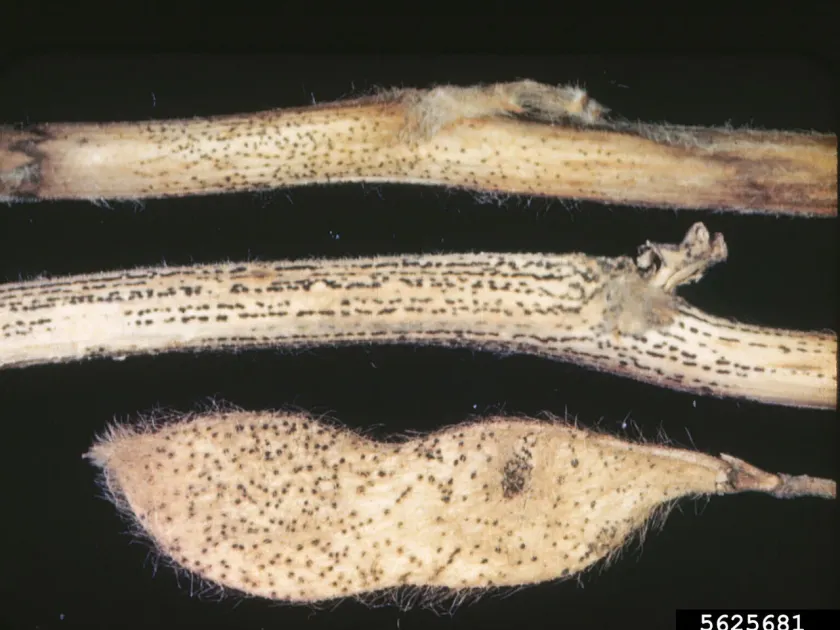
Small, dark, pimple-like fruiting bodies of the fungus emerge through the bark epidermis, serving as evidence of the pathogen's presence.
Leaves on affected branches often show signs of chlorosis, curling, and premature abscission, resulting in canopy thinning and localized dieback.
Internal examination of infected wood reveals browning and necrosis, which disrupts the transport of water and nutrients to the distal parts of the plant.
In advanced stages, the infection spreads to scaffold branches, significantly hindering the structural integrity and health of the entire tree.
Pathogen
The disease is caused by the micromycete Diaporthe decedens, an ascomycete fungus that primarily acts as a pathogen on weakened woody tissues.
The fungal life cycle involves both a sexual stage producing perithecia and an asexual stage producing pycnidia on the bark of infected branches.
The pathogen overwinters as mycelium and spores within infected plant tissues or plant debris, remaining viable for extended periods in the orchard environment.
Dissemination occurs through wind, splashing rain, or mechanical transmission by contaminated pruning tools during routine maintenance tasks.
Entry into the host plant is facilitated by physical damage, frost cracks, or improper pruning wounds that leave the tree's inner tissues exposed.
Conditions for development
High humidity and frequent rainfall create the optimal environment for spore germination and colonization of the bark surface by Diaporthe decedens.
Plants weakened by harsh winter conditions, such as frost injury or thermal shock, are significantly more susceptible to successful fungal infection.
Poor orchard hygiene, including failure to disinfect pruning equipment and neglecting to remove infected prunings, promotes disease persistence.
Inadequate nutrition or improper irrigation patterns can impair the plant's natural defense mechanisms, making it more vulnerable to opportunistic fungi.
High-density planting configurations that reduce airflow can lead to prolonged surface moisture on the bark, favoring the development of the pathogen.
Why it matters
The disease significantly impacts fruit yield as progressive branch dieback leads to a reduction in the total number of productive flowering sites.
Structural damage to scaffold limbs forces the need for expensive corrective pruning or the complete removal and replacement of affected trees.
The physiological stress caused by the infection makes the trees more susceptible to secondary pests and various other types of plant diseases.
Fruit quality is often compromised because the necrotic vascular tissues cannot deliver necessary nutrients to the ripening fruits effectively.
Severe infestations can lead to total tree death, which represents a critical financial loss for both commercial orchards and small-scale farms.
Protection
Sanitation is the most effective management strategy; regular removal and destruction of all dead or diseased woody tissue are essential.
All pruning wounds should be promptly treated with appropriate sealants or wound paints to prevent new infections from occurring.
Maintaining strong plant health through balanced fertilization and proper water management improves natural resistance and vigor against infection.
Preventive application of copper-based fungicides during the dormant period helps to reduce the initial inoculum density within the orchard environment.
Strict disinfection protocols for pruning equipment are mandatory to stop the spread of spores between individual trees during the maintenance season.
Discussion
No discussions yet — be the first.