
Diaporthe canker
Diaporthe ambigua
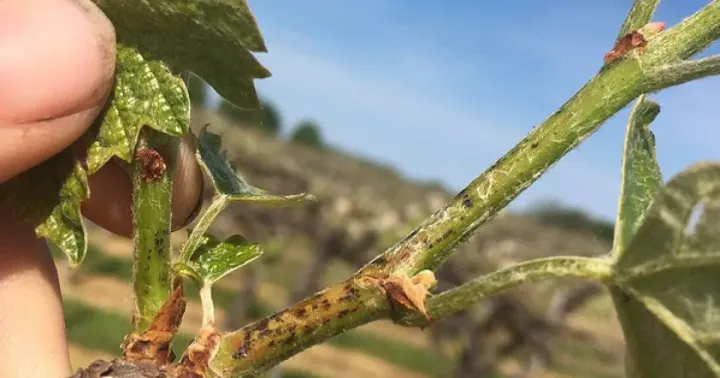
Description
Symptoms
Initial signs of the infection appear as sunken, dark-colored lesions on branches or trunks. Over time, the bark in the affected area cracks, shrivels, and eventually peels away, exposing the underlying woody tissue.
Small, pinhead-sized black dots, known as pycnidia, frequently erupt through the bark surface within the canker area. These structures serve as the fungal reproductive units and are often visible to the naked eye.
As the infection progresses and girdles a branch, the foliage above the lesion begins to yellow, wilt, and drop prematurely. Complete desiccation of the affected branch or stem is common once the vascular pathway is blocked.
Symptoms on the trunks often mimic typical canker diseases, showing deep, longitudinal fissures. The internal wood may exhibit brown, necrotic streaks, indicating that the fungus has moved deep into the vascular layers.
Gummosis, or the oozing of sap from the infected bark, is a secondary host reaction. While the tree attempts to seal the wound, this also attracts secondary pests and can lead to additional complications in tree health.
Pathogen
The causal agent of this disease is the ascomycete fungus Diaporthe ambigua, belonging to the class Sordariomycetes. It is a highly specialized pathogen that affects woody plants, causing localized necrosis and bark lesions.
The pathogen completes its lifecycle by producing pycnidia and perithecia, which act as primary inoculum sources. The fungus is capable of overwintering in infected bark, mummified fruit, and debris, ensuring survival through harsh weather conditions.
Spores are dispersed primarily by wind and splashing water, allowing the fungus to spread across the orchard. Infection typically occurs through wounds, pruning cuts, or frost-related cracks in the bark of the host plant.
Diaporthe ambigua exhibits notable ecological plasticity, allowing it to colonize diverse fruit species under varying climatic conditions. Its growth is primarily influenced by moisture levels and favorable ambient temperatures.
During colonization, the fungus secretes metabolites and enzymes that break down plant cell walls, leading to the rapid expansion of necrosis within the host tissue. This systematic breakdown severely disrupts the tree's vascular system.
Conditions for development
The fungus thrives in environments characterized by high relative humidity and moderate temperatures ranging from 18 to 25 degrees Celsius. Prolonged rainy spells, especially during the spring, significantly accelerate sporulation.
Orchard stress, resulting from poor soil nutrition, drought, or extreme cold damage, makes trees highly susceptible to Diaporthe ambigua colonization. Weakened trees lack the energy to mount an effective chemical defense.
Poor orchard management practices, such as using unsterilized tools during pruning, create perfect entry points for the pathogen. These open wounds remain vulnerable until natural healing or protective measures are applied.
Dense, poorly managed canopies create stagnant air pockets and retain surface moisture on the bark for extended periods. This microclimate is ideal for the rapid germination and colonization of fungal spores.
Accumulated debris and dead wood in the orchard provide a massive reservoir of inoculum. Without diligent sanitation, the fungus persists from season to season, threatening the entire block of fruit trees.
Why it matters
Diaporthe canker causes significant loss of productive branch canopy, which directly translates to reduced crop yields. Chronic infection can eventually lead to the total collapse of the tree.
In young orchards, the disease is particularly devastating as it can lead to the death of entire plants. This necessitates costly replacement efforts and leads to a loss of time and potential investment returns.
The obstruction of nutrient flow caused by the necrotic lesions leads to stunted fruit development and poor quality. The fruit often fails to meet market standards, leading to financial losses for the grower.
The disease hastens the decline of the orchard, effectively reducing its productive lifespan. Growers are forced to invest in constant remedial care and chemical interventions to keep the orchard viable.
Because the disease often remains undetected until significant damage is done, it is difficult to manage effectively. The hidden nature of the internal wood decay means that trees are often compromised well before symptoms become visible.
Protection
The most important control measure is strict orchard sanitation, which includes the removal and destruction of all infected wood. Pruning materials should be removed from the site and burned to eliminate inoculum sources.
All pruning wounds should be treated with appropriate disinfectants and protected with wound sealants. This prevents the entry of fungal spores into fresh cuts and promotes faster healing of the plant tissue.
Preventative fungicide sprays, particularly those containing copper-based active ingredients, are effective when applied during early spring or post-harvest to reduce the overall fungal spore load in the orchard.
Proper canopy management, including regular pruning for airflow and sunlight penetration, reduces the humidity around the bark. Healthy, well-nourished trees are also more resistant to the initial stages of infection.
Sterilizing pruning tools between trees using a disinfectant solution is a standard and essential practice. This simple step is highly effective in preventing the mechanical transmission of the fungus between healthy and infected trees.
Discussion
No discussions yet — be the first.